Enfield Royal Clinic Oman

 Home
Home  About Enfield Royal Clinic Oman
  Treatments
  Make An Enquiry





Can Botox for Migraine Help Chronic Headache Sufferers?
Posted On Nov 27, 2025Discover how Botox for migraine can reduce headache frequency, ease pain, and improve quality of life with targeted, effective treatments.
Living with chronic migraines or persistent headaches can feel exhausting, especially when traditional treatments provide only temporary relief. Over the past several years, Botox has emerged as a promising option for those dealing with frequent or severe migraines. Many people searching for the Best Botox for Migraine in Muscat want to know whether this treatment is truly effective, safe, and worth considering.
This comprehensive guide explains how Botox works for migraines, who may benefit from it, what to expect during treatment, and how it helps chronic headache sufferers regain control of their daily lives.
Understanding Chronic Migraines and Headaches
Chronic migraine is more than just a “bad headache.” It is a neurological condition defined by experiencing headaches on 15 or more days per month, with at least 8 of those days involving migraine symptoms. These may include throbbing pain, sensitivity to light or sound, nausea, or visual disturbances.
Chronic tension headaches, cluster headaches, and post-traumatic headaches can also greatly impact quality of life. When symptoms become frequent and debilitating, daily tasks—from working to socializing—may become difficult.
While medications such as pain relievers, anti-inflammatory drugs, and preventive treatments may help some individuals, others continue to suffer despite trying multiple options. This is where Botox can offer meaningful relief.
How Botox Works for Migraine Relief
Botox is best known for its cosmetic use in reducing fine lines, but it also has medical applications—particularly in treating chronic migraines. It is an FDA-approved therapy for chronic migraine sufferers.
Unlike cosmetic Botox, which relaxes facial muscles, migraine Botox targets specific nerve endings involved in pain signaling. It works by blocking the release of chemicals that transmit pain messages to the brain. This reduces nerve sensitivity and prevents migraine attacks before they start.
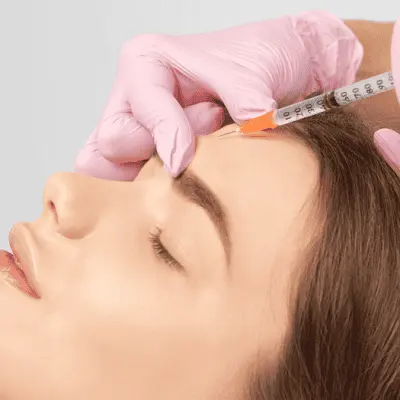
Botox is typically injected into areas such as the forehead, temples, back of the head, upper neck, and shoulders. These sites are chosen because they are common trigger points for migraine and tension headaches.
Is Botox Effective for Chronic Headache Sufferers?
Many individuals experience significant improvements after Botox therapy, especially those dealing with long-term or severe symptoms. Clinical studies show that Botox can:
Reduce headache frequency
Decrease migraine intensity
Shorten the duration of headache episodes
Improve daily functioning
Reduce reliance on other medications
For chronic migraine patients, relief often becomes noticeable after two to three treatment cycles. In addition to fewer migraines, many report improved sleep, reduced muscle tension, and better mood due to decreased pain.
Chronic tension headache sufferers may also benefit, as Botox helps relax tight muscle areas contributing to persistent pain. While results vary, the overall success rate is encouraging for many people seeking a non-surgical, long-term management option.
Who Is a Good Candidate for Botox Migraine Treatment?
Botox is most suitable for adults experiencing chronic migraines or headaches that:
Occur 15 or more days per month
Last for several hours or all day
Have not responded well to traditional medications
Are associated with neck or shoulder tension
Affect work, concentration, or daily activities
It may also help those who experience side effects from migraine medications or cannot take certain drugs due to health conditions.
However, Botox may not be recommended for people with certain medical issues or those experiencing occasional migraines. A professional consultation is essential to determine whether Botox is appropriate.
What to Expect During a Botox Migraine Session
A migraine Botox procedure is generally quick and well-tolerated. Here's what typically happens:
Consultation and Evaluation
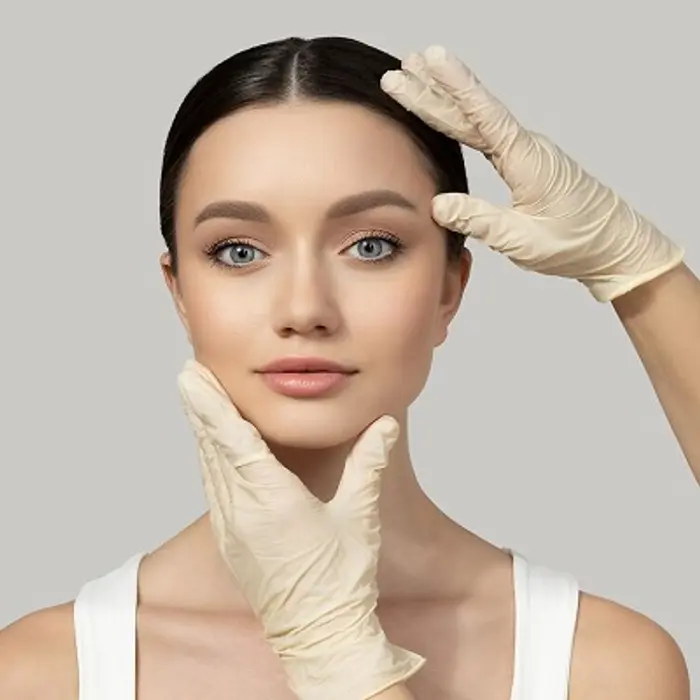
A specialist assesses symptoms, headache history, triggers, and previous treatments. This helps create a personalized plan using the Best Botox for Migraine in Muscat tailored to the patient’s needs.
The Treatment Process
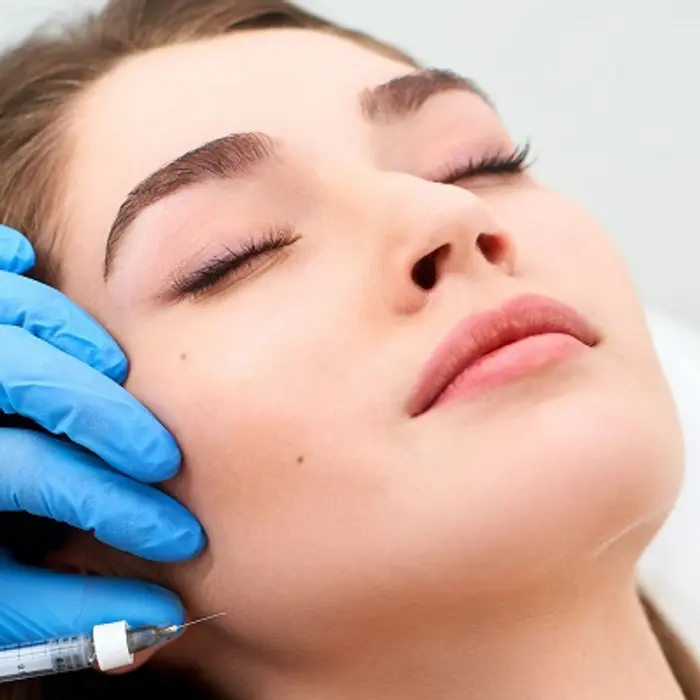
The Botox procedure usually takes around 10 to 15 minutes. A fine needle is used to inject small amounts of Botox into targeted points around the head, forehead, neck, and shoulders. Most individuals describe the sensation as mild pinching or pressure.
After the Procedure
There is no downtime, so people can return to normal activities immediately. Some may notice mild tenderness or stiffness, which typically resolves quickly.
Results Timeline
Initial improvements may begin after 1–2 weeks
Maximum results often appear after the second or third session
Treatments are typically scheduled every 12 weeks for continued relief
Consistency is key. Many chronic sufferers experience significant long-term improvements with regular sessions.
Benefits of Choosing Botox for Migraine Relief
Opting for Botox treatment comes with several advantages:
Long-Term Prevention
Unlike pain medications, which treat symptoms after they start, Botox prevents migraines before they develop.
Improved Quality of Life
Reduced pain improves productivity, mood, and overall daily comfort.
Minimal Side Effects
Side effects are usually minor, such as slight bruising or temporary discomfort.
Suitable for Medication-Sensitive Individuals
People who cannot tolerate or should avoid certain medications often find Botox to be a safer alternative.
Non-Invasive and Quick
The procedure is fast, requires no recovery time, and fits easily into a busy lifestyle.
Why People Seek the Best Botox for Migraine in Muscat
Individuals in Muscat often look for high-quality medical treatments and reliable migraine management options. The search for the Best Botox for Migraine in Muscat usually comes from a desire for:
Experienced professionals
Safe and comfortable treatment environments
Effective long-term migraine relief
Personalized care and assessment
Choosing a reputable provider ensures proper technique, safe procedures, and optimal results for chronic migraine sufferers.
FAQs: Botox for Migraine Treatment
1. How long does Botox take to relieve migraine symptoms?
Most people begin to notice improvements within 1–2 weeks, but full benefits typically appear after two to three treatment cycles.
2. How often is Botox needed for migraine prevention?
Botox for migraines is usually administered every 12 weeks to maintain consistent relief.
3. Does Botox help with other types of headaches?
Yes, some individuals with chronic tension headaches or post-injury headaches may also benefit, though results vary.
4. Are there any side effects of using Botox for migraines?
Common side effects include mild redness, temporary muscle weakness, or slight tenderness at the injection sites. Serious complications are rare when performed correctly.
5. Can Botox be combined with other migraine treatments?
Yes, many individuals use Botox alongside lifestyle changes, medications, or physical therapy. A specialist can recommend the safest combination.
6. Is Botox painful?
Most people experience only mild, brief discomfort. The needles used are very fine, making the process generally easy to tolerate.

;)