Search your location
All in one digital platform website to city promotions
Confirmation
Are you Sure!!! You want to Unfollow this Business?
Note:- You will not longer be able to see our updates.

Enfield Royal Clinic Oman

 Home
Home  About Enfield Royal Clinic Oman
  Treatments
  Make An Enquiry





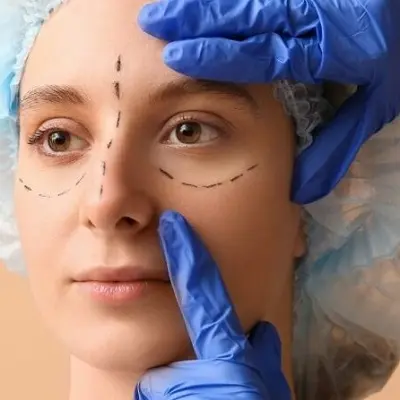
Can Rhinoplasty Fix a Crooked Nose?
Posted On Jun 1, 2026Discover rhinoplasty surgery to reshape your nose, improve breathing, and enhance facial balance with safe, expert care and results.
A crooked nose is one of the most common aesthetic and functional concerns people have about their facial appearance. It can be present from birth, develop after an injury, or become more noticeable as the nose continues to grow and change over time. Many individuals who are dissatisfied with nasal symmetry often wonder whether rhinoplasty can truly correct the issue and restore balance to the face. The short answer is yes—rhinoplasty can significantly improve a crooked nose in many cases, depending on the underlying cause and severity of the deviation.
Best Rhinoplasty in Muscat, often referred to as a nose reshaping surgery, is designed not only to enhance appearance but also to improve nasal function when structural issues affect breathing. With advancements in surgical techniques, patients today can achieve both aesthetic harmony and better airflow through a carefully planned and customized approach.
Understanding a Crooked Nose: Causes and Concerns
A crooked nose refers to a visible deviation or asymmetry in the shape or alignment of the nose. It may appear bent, twisted, or off-center when viewed from the front or side. This condition can vary from mild to severe and may affect either the external structure, internal nasal septum, or both.
There are several common causes of a crooked nose. In many cases, it is the result of trauma or injury, such as a sports accident or fall, which displaces the nasal bones or cartilage. In other situations, genetics play a major role, where individuals are naturally born with asymmetrical nasal structures. Additionally, a deviated septum—where the internal cartilage dividing the nasal passages is misaligned—can also contribute to both cosmetic and breathing issues.
Beyond appearance, a crooked nose can lead to functional problems such as difficulty breathing through one or both nostrils, chronic congestion, or sinus discomfort. For many individuals, these concerns prompt them to explore surgical correction options.
Can Rhinoplasty Fix a Crooked Nose?
Rhinoplasty is widely considered one of the most effective procedures for correcting a crooked nose. The surgery is highly customizable and can address both the external appearance and internal structural issues simultaneously.
In mild cases, where the asymmetry is primarily cosmetic, rhinoplasty can reshape the nasal bones and cartilage to create a more balanced appearance. In more complex cases, especially when a deviated septum is involved, a combination of cosmetic rhinoplasty and septoplasty may be performed to straighten the nose and improve breathing function.
However, it is important to understand that perfection is not always the goal or outcome of rhinoplasty. The aim is improvement and harmony rather than absolute symmetry, as natural facial structures are never perfectly identical. Skilled surgical planning focuses on creating a nose that complements the rest of the facial features while maintaining or enhancing nasal function.
Individuals seeking the Best Rhinoplasty in Muscat often do so because of the region’s growing reputation for advanced aesthetic procedures and modern surgical techniques that prioritize both safety and natural-looking results.
How Rhinoplasty for a Crooked Nose Is Performed
The procedure for correcting a crooked nose typically begins with a detailed assessment of the nasal structure. This includes examining the external shape, internal septum, skin thickness, and overall facial proportions. Imaging or diagnostic tools may be used to better understand the extent of deviation.
Once the surgical plan is finalized, the procedure is performed under anesthesia. Depending on the complexity, either an open or closed rhinoplasty approach may be used.
In an open rhinoplasty, a small incision is made at the base of the nose between the nostrils, allowing the surgeon full visibility of the underlying structures. This method is often preferred for more complex corrections. In a closed rhinoplasty, all incisions are made inside the nostrils, resulting in no visible external scarring and typically a shorter recovery period.
During surgery, the nasal bones may be carefully reshaped, cartilage adjusted, and the septum corrected if necessary. The goal is to realign the nose so it sits centered on the face while maintaining structural support and natural contours.
Techniques Used to Straighten the Nose
Modern rhinoplasty techniques allow for highly precise corrections of nasal asymmetry. Surgeons may use cartilage grafting, where tissue from other areas of the nose or body is used to reinforce or reshape the nasal framework. This helps maintain stability and prevent future shifting.
In cases where the nasal bones are misaligned, controlled fractures may be performed to reposition them correctly. This process, known as osteotomy, is done with precision to ensure symmetry and balance.
For patients with a deviated septum, septoplasty is often performed in conjunction with rhinoplasty. This internal correction improves airflow and helps ensure that both cosmetic and functional concerns are addressed in a single procedure.
The combination of these techniques allows for a comprehensive correction that not only straightens the nose but also enhances overall nasal performance.
Recovery and Expected Results After Surgery
Recovery after rhinoplasty varies from person to person depending on the complexity of the procedure. In general, most individuals can expect initial swelling and mild discomfort during the first week. A nasal splint is typically used to support the new structure and maintain alignment during early healing.
Bruising around the eyes and nose may occur but gradually subsides within 10 to 14 days. While significant improvements are often visible after the initial healing phase, the final results of rhinoplasty can take several months to fully develop as swelling continues to reduce and nasal tissues settle into their new shape.
Patients are usually advised to avoid strenuous activities, protect the nose from impact, and follow post-operative care instructions closely to ensure optimal healing. The final outcome is typically a straighter, more balanced nose that blends naturally with the rest of the facial features.
Choosing the Best Rhinoplasty in Muscat
When considering nasal correction, many individuals explore options for the Best Rhinoplasty in Muscat due to the region’s increasing focus on advanced cosmetic procedures and patient-centered care. Selecting the right approach involves more than just the surgical technique; it also includes careful planning, realistic expectations, and a focus on natural-looking results.
A successful rhinoplasty experience depends on a personalized treatment plan tailored to the patient’s facial structure and goals. In Muscat, modern aesthetic practices emphasize safety, precision, and achieving results that enhance overall facial harmony rather than drastically altering one’s natural appearance.
Patients are encouraged to have a clear understanding of what rhinoplasty can and cannot achieve. While significant improvements in symmetry and function are possible, subtle imperfections may still remain due to the natural complexity of nasal anatomy.
Risks and Important Considerations
Like any surgical procedure, rhinoplasty carries some risks. These may include swelling, infection, temporary numbness, or minor asymmetry during the healing process. In rare cases, revision surgery may be required to refine the results.
Careful surgical planning and adherence to post-operative care significantly reduce these risks. It is also important for patients to maintain realistic expectations and understand that healing is a gradual process.
Open communication with a qualified specialist and a clear discussion of goals can help ensure satisfaction with the final outcome.
Frequently Asked Questions
1. Can rhinoplasty completely straighten a crooked nose?
Rhinoplasty can significantly improve nasal alignment, but the goal is usually enhancement rather than absolute perfection. Most patients experience a noticeable improvement in symmetry and facial balance.
2. What causes a nose to become crooked?
A crooked nose can result from genetics, injury, birth defects, or a deviated septum. In some cases, multiple factors may contribute to the condition.
3. Will rhinoplasty also improve breathing issues?
Yes, if breathing problems are caused by structural issues like a deviated septum, rhinoplasty combined with septoplasty can improve airflow.
4. How long does it take to recover from rhinoplasty?
Initial recovery usually takes 1–2 weeks, but complete healing and final results may take several months as swelling gradually subsides.
5. Is rhinoplasty a permanent solution for a crooked nose?
Yes, rhinoplasty provides long-lasting results. Once healed, the structural changes made during surgery are typically permanent.
6. Who is a good candidate for crooked nose correction?
Individuals with nasal asymmetry who are in good general health, have realistic expectations, and are seeking both functional and aesthetic improvement are generally suitable candidates.
Read More About Rhinoplasty: https://www.citymapia.com/muscat/enfield-royal-clinic-oman/blog/rhinoplasty-aftercare-tips-26459





;)