Enfield Royal Clinic Oman

 Home
Home  About Enfield Royal Clinic Oman
  Treatments
  Make An Enquiry





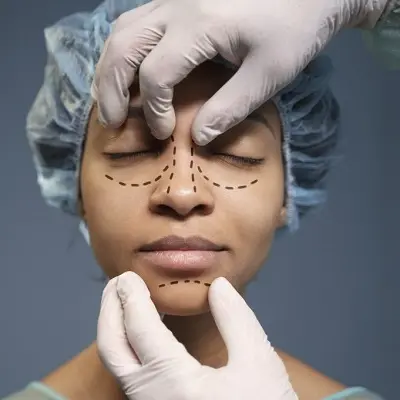
Rhinoplasty Aftercare Tips for a Smooth Recovery
Posted On Jun 1, 2026Discover rhinoplasty surgery to reshape your nose, improve breathing, and enhance facial balance with safe, expert care and results.
Rhinoplasty is one of the most popular cosmetic and functional facial procedures worldwide. Whether performed to enhance facial harmony, improve breathing, or correct structural concerns, the success of the procedure depends not only on the surgery itself but also on proper post-operative care. Patients seeking the Best Rhinoplasty in Oman often focus on finding a qualified surgeon, but understanding aftercare is equally important for achieving optimal results.
Recovery from rhinoplasty is a gradual process that requires patience, consistency, and attention to medical instructions. While the initial healing phase typically lasts a few weeks, complete results may continue to develop over several months. By following the right aftercare practices, patients can minimize discomfort, reduce swelling, and support a smoother healing journey.
Why Rhinoplasty Aftercare Matters
After rhinoplasty, the nose undergoes a healing process that involves tissue repair, swelling reduction, and structural stabilization. Proper aftercare helps protect the surgical results and lowers the risk of complications.
Patients who carefully follow post-operative guidelines often experience:
Reduced swelling and bruising
Faster recovery
Improved comfort during healing
Lower risk of infection
Better long-term aesthetic and functional outcomes
Even when receiving the Best Rhinoplasty in Oman, neglecting aftercare can delay recovery and affect final results.
Prioritize Rest During the First Few Days
The first few days after rhinoplasty are crucial for recovery. During this period, the body focuses its energy on healing damaged tissues and reducing inflammation.
Patients should:
Get plenty of sleep
Avoid strenuous activities
Stay home and relax
Follow medication schedules as directed
Keep stress levels low
Adequate rest supports the body's natural healing mechanisms and can significantly improve the recovery experience.
Keep the Head Elevated
One of the most effective ways to reduce swelling after rhinoplasty is keeping the head elevated.
Patients are generally advised to:
Sleep with the head raised using extra pillows
Use a reclining chair when resting
Avoid sleeping on the side or stomach
Maintain an elevated position whenever possible during the first week
Elevation helps prevent fluid accumulation around the surgical area, leading to less swelling and discomfort.
Manage Swelling and Bruising Effectively
Swelling and bruising are normal parts of rhinoplasty recovery. While these symptoms gradually improve, certain measures can help manage them more effectively.
Helpful strategies include:
Applying Cold Compresses
Cold compresses can be placed on the cheeks and surrounding areas during the first 48 hours. However, direct pressure should never be applied to the nose itself.
Staying Hydrated
Proper hydration helps the body eliminate excess fluids and supports tissue healing.
Reducing Sodium Intake
High-sodium foods can increase water retention and worsen swelling. A balanced, low-sodium diet is often recommended during recovery.
Being Patient
Some swelling may persist for several months, particularly around the nasal tip. This is a normal part of the healing process.
Follow Proper Nasal Care Instructions
The nose remains highly sensitive after surgery. Proper care is essential to protect healing tissues and maintain the desired shape.
Patients should:
Avoid blowing the nose
Follow cleaning instructions carefully
Use prescribed nasal sprays if recommended
Attend all follow-up appointments
Avoid touching or manipulating the nose unnecessarily
Gentle care helps prevent irritation and supports a smoother recovery process.
Avoid Activities That Can Disrupt Healing
Many everyday activities can place stress on the healing nose. During the recovery period, patients should avoid anything that could interfere with surgical results.
Activities to limit include:
Intense Exercise
Heavy workouts, running, weightlifting, and high-impact activities should be avoided until approved by the surgeon.
Wearing Glasses
Glasses resting on the bridge of the nose may place pressure on healing structures. Alternative support methods may be recommended.
Smoking and Alcohol Consumption
Smoking reduces blood flow and slows healing, while alcohol can increase swelling and dehydration.
Sun Exposure
The nose can become particularly sensitive to sunlight during recovery. Excessive sun exposure may contribute to prolonged swelling and skin discoloration.
Patients who choose the Best Rhinoplasty in Oman are often advised to follow these restrictions carefully to protect their investment and achieve the best possible outcome.
Focus on Nutrition for Faster Healing
Nutrition plays a significant role in post-surgical recovery. A balanced diet provides the body with the nutrients needed to repair tissues and reduce inflammation.
Recommended foods include:
Lean proteins
Fresh fruits
Vegetables
Whole grains
Healthy fats
Hydrating fluids
Foods rich in vitamins A and C, zinc, and antioxidants may support healing and immune function.
Patients should also avoid highly processed foods, excessive sugar, and salty snacks that may contribute to inflammation and swelling.
Understand the Recovery Timeline
Every patient heals differently, but understanding the general recovery timeline can help set realistic expectations.
First Week
Swelling and bruising are most noticeable
Nasal congestion is common
Rest is essential
Two to Four Weeks
Most visible bruising fades
Daily activities gradually resume
Swelling begins to decrease significantly
One to Three Months
The nose continues refining in shape
Residual swelling gradually improves
Breathing often becomes more comfortable
Six to Twelve Months
Final results become increasingly visible
Subtle swelling resolves
Nasal tissues fully settle into place
Patients pursuing the Best Rhinoplasty in Oman should remember that patience is key. The final appearance of the nose often takes time to emerge fully.
Know When to Contact a Medical Professional
While most rhinoplasty recoveries proceed smoothly, patients should remain aware of signs that may require medical attention.
Potential warning signs include:
Persistent fever
Excessive bleeding
Severe pain that worsens over time
Unusual swelling
Signs of infection
Difficulty breathing beyond expected post-surgical congestion
Prompt communication with a healthcare provider can help address concerns before they become more serious.
Final Thoughts
Rhinoplasty can provide both cosmetic and functional benefits, but successful outcomes rely heavily on proper aftercare. Following post-operative instructions, prioritizing rest, maintaining healthy habits, and attending follow-up appointments all contribute to a smoother recovery experience.
For individuals considering the Best Rhinoplasty in Oman, understanding the recovery process is an important step toward achieving satisfying and long-lasting results. With patience, commitment, and proper care, patients can support healing and enjoy the full benefits of their rhinoplasty journey.
FAQs
1. How long does rhinoplasty recovery take?
Most patients return to normal daily activities within one to two weeks, but complete healing and final results can take up to a year.
2. Is swelling normal after rhinoplasty?
Yes. Swelling is a natural part of the healing process and may continue to improve gradually over several months.
3. When can exercise be resumed after rhinoplasty?
Light activities may be resumed after medical approval, but strenuous exercise is usually restricted for several weeks.
4. Can patients wear glasses after rhinoplasty?
In many cases, glasses should be avoided temporarily to prevent pressure on the healing nasal structures. Specific guidance should come from the treating surgeon.
5. What foods help with rhinoplasty recovery?
Foods rich in protein, vitamins, antioxidants, and hydration-supporting nutrients can aid healing and reduce inflammation.
6. When are the final rhinoplasty results visible?
Although significant improvements are visible within a few months, the final shape of the nose may continue refining for up to twelve months or longer.
Read More About Rhinoplasty: https://www.citymapia.com/muscat/enfield-royal-clinic-oman/blog/rhinoplasty-revision-surgery-26445




;)