Enfield Royal Clinic Oman

 Home
Home  About Enfield Royal Clinic Oman
  Treatments
  Make An Enquiry






Cheek Fillers Injections Aftercare: Expert Advice
Posted On Nov 27, 2025Enhance your facial contours with cheek filler injections. Achieve natural-looking volume, lift, and definition for a youthful, radiant appearance.
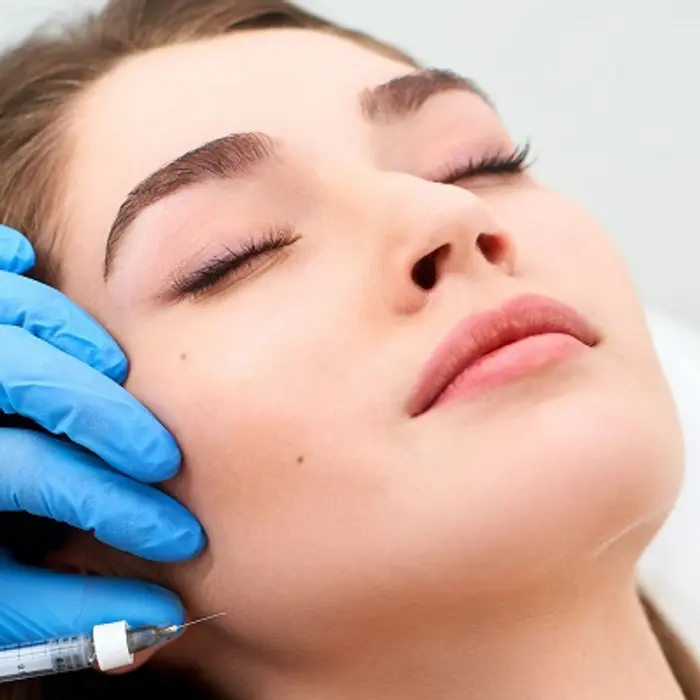
Cheek Fillers Injections have become one of the most popular non-surgical cosmetic treatments for enhancing facial volume, restoring youthful contours, and improving overall facial symmetry. While the procedure is relatively quick and results are often visible immediately, proper aftercare is essential to ensure optimal results and minimize potential side effects. Understanding how to care for your cheeks after injections can help prolong the lifespan of the fillers, maintain a natural appearance, and reduce the risk of complications. This guide provides expert advice on cheek filler aftercare, including tips, precautions, and answers to frequently asked questions.
Why Cheek Filler Aftercare Matters
Cheek fillers are designed to integrate with the facial tissues to provide a smooth, natural enhancement. However, immediately following the injection, the treated area may be more sensitive and vulnerable. Proper aftercare is crucial for several reasons:
Minimizes Swelling and Bruising: Gentle care can help reduce post-injection swelling and bruising.
Supports Longevity: Following aftercare guidelines may extend the life of the filler.
Prevents Complications: Avoiding certain activities reduces the risk of infection or uneven filler placement.
Enhances Results: Proper care ensures that the filler settles naturally, maintaining the desired facial contours.
Immediate Aftercare Tips (First 24–48 Hours)
The first day or two after cheek filler injections are critical for the success of the treatment. Here are some expert tips for immediate aftercare:
1. Apply Cold Compresses
Using a cold compress or ice pack can help reduce swelling and minimize bruising. Apply the compress gently for 10–15 minutes at a time, with a thin cloth between the skin and ice to prevent irritation.
2. Avoid Touching or Massaging the Cheeks
Refrain from rubbing, pressing, or massaging the treated area unless instructed by the injector. Excessive manipulation can cause the filler to shift and affect the final result.
3. Stay Upright
Avoid lying down flat for at least four hours after the procedure. Keeping your head elevated can help reduce swelling and allow the filler to settle evenly.
4. Skip Strenuous Activities
Vigorous exercise, heavy lifting, or activities that increase blood flow to the face should be avoided for 24–48 hours. Increased circulation can exacerbate swelling or bruising.
5. Avoid Alcohol and Blood Thinners
Alcohol and certain medications, such as aspirin or ibuprofen, can increase the risk of bruising. It’s best to avoid these immediately after treatment, unless advised otherwise.
Short-Term Aftercare (First Week)
Once the initial 48 hours have passed, there are additional steps to ensure smooth healing and optimal results.
1. Maintain Gentle Skincare
Stick to a mild skincare routine, avoiding aggressive scrubs, chemical peels, or facial treatments for at least a week. Gentle cleansing and moisturizing are recommended.
2. Protect From Sun Exposure
Direct sunlight can irritate sensitive skin and potentially break down the filler more quickly. Wearing sunscreen and avoiding prolonged sun exposure helps maintain the results.
3. Monitor for Any Unusual Symptoms
Mild redness, swelling, or tenderness is normal, but severe pain, significant asymmetry, or signs of infection should be addressed promptly. Contact a professional if any concerning symptoms arise.
4. Sleep on Your Back
Avoid sleeping on your side or stomach to prevent putting pressure on the newly treated areas. This can help the filler settle evenly.
Long-Term Aftercare (Weeks to Months)
Proper long-term care helps maximize the lifespan of cheek fillers, which typically last between 12 to 24 months depending on the type of filler used.
1. Maintain a Healthy Lifestyle
A balanced diet, adequate hydration, and avoiding smoking can support skin health and prolong the effects of fillers.
2. Regular Touch-Ups
Scheduling touch-up treatments before the filler fully dissolves can help maintain the desired results. Many people opt for follow-ups every 12–18 months.
3. Use High-Quality Skincare Products
Products with hyaluronic acid, antioxidants, and peptides can complement the filler by supporting skin elasticity and hydration.
4. Minimize Stress on the Face
Frequent facial movements like rubbing the cheeks or excessive facial expressions may accelerate filler breakdown. Being mindful of habits can help prolong results.
Common Side Effects and How to Manage Them
Most side effects of cheek fillers are mild and temporary. They include:
Swelling and Bruising: Usually resolves within a few days to a week. Cold compresses and arnica-based creams can help.
Tenderness or Redness: Mild discomfort often subsides naturally. Avoid applying excessive pressure.
Small Lumps or Bumps: These can occur if filler settles unevenly; gentle massage may help, but consult a professional if they persist.
Serious complications are rare but may include infection or vascular issues. Prompt attention to any unusual symptoms is essential.
FAQs About Cheek Fillers Injections Aftercare
1. Can I wear makeup immediately after cheek fillers?
It’s best to wait at least 24 hours before applying makeup to reduce the risk of irritation or infection.
2. How long does swelling last after cheek filler injections?
Swelling usually peaks within the first 24–48 hours and gradually decreases over a week.
3. Is it normal to feel lumps in the cheeks after fillers?
Mild lumps or unevenness can occur as the filler settles. They usually resolve within a few days. Persistent lumps should be evaluated by a professional.
4. Can I exercise after getting cheek fillers?
Strenuous exercise should be avoided for the first 24–48 hours. Light activity can usually resume afterward.
5. Do cheek fillers require any special maintenance?
Following aftercare guidelines, protecting skin from sun damage, and scheduling regular touch-ups help maintain results.
6. Can I get a facial or massage after cheek fillers?
Avoid facials or massages for at least a week to prevent shifting the filler. Always inform your therapist about recent injections.
7. How can I make my cheek fillers last longer?
Healthy lifestyle habits, sun protection, proper hydration, and gentle skincare contribute to longer-lasting results.
Conclusion
Cheek fillers injections provide an effective, non-surgical way to enhance facial volume and achieve a youthful, natural look. However, the success of the treatment depends not only on the skill of the injector but also on proper aftercare. By following immediate, short-term, and long-term aftercare guidelines, individuals can minimize side effects, maintain optimal results, and enjoy the benefits of cheek fillers for longer. With careful attention and expert guidance, cheek fillers can offer safe, natural-looking results that enhance facial aesthetics and boost confidence.




;)