Enfield Royal Clinic Oman

 Home
Home  About Enfield Royal Clinic Oman
  Treatments
  Make An Enquiry





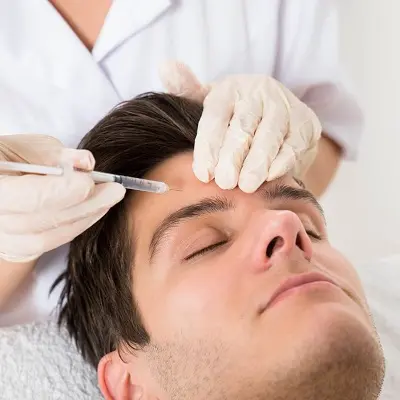
Choosing the Right Hair Transplant Surgeon: Tips & Red Flags
Posted On Sep 22, 2025Restore your hair and confidence with advanced hair transplant solutions. Natural results, safe procedures, and lasting growth tailored to you.
Hair loss can be a frustrating and emotional experience, and for many people, a hair transplant feels like the most promising solution to restore confidence and achieve natural-looking results. But just as important as the procedure itself is choosing the right Hair Transplant surgeon. The difference between a skilled, experienced specialist and an inexperienced or careless one can mean everything—from natural results that last a lifetime to disappointing or even damaging outcomes.
This article explores what to look for in a trusted hair transplant surgeon, the red flags to avoid, and answers to common questions people have before taking this big step.
Why Choosing the Right Surgeon Matters
A hair transplant is not just a cosmetic treatment—it is a delicate surgical procedure that involves artistry, precision, and medical expertise. The surgeon must carefully design the hairline, select the right density, and ensure graft survival while preserving donor hair for the future. When performed correctly, the result can be so natural that even hairstylists may not notice the difference.
On the other hand, poor technique or lack of experience can lead to complications such as unnatural hairlines, visible scarring, infections, or wasted donor hair. Because donor hair is limited and cannot be replaced, choosing the right surgeon the first time is critical.
Key Qualities of a Good Hair Transplant Surgeon
When researching surgeons, it’s important to go beyond flashy marketing or promises of quick results. Instead, focus on proven qualities that reflect skill and professionalism.
1. Training and Specialization
A reputable hair transplant surgeon should have advanced training and a clear specialization in hair restoration procedures. While many doctors may offer hair transplants, not all of them are truly skilled in this field. Look for evidence of education and continuous learning specific to hair restoration techniques.
2. Experience and Track Record
Experience often translates into better outcomes. An experienced surgeon has likely performed hundreds or thousands of transplants, giving them the ability to handle different hair types, scalp conditions, and degrees of hair loss. Always ask about their years of experience and the number of procedures they’ve successfully completed.
3. Before-and-After Results
Reputable surgeons are usually transparent about their work and provide before-and-after photos of past patients. Look for results that show natural hairlines, proper density, and seamless blending with existing hair. If photos appear overly edited, repetitive, or generic, it may be a sign of inauthentic marketing.
4. Patient Reviews and Testimonials
While individual experiences may vary, consistent positive reviews can be a good indicator of patient satisfaction. Pay attention to comments about professionalism, comfort, aftercare support, and natural-looking results.
5. Consultation Approach
During an initial consultation, a good surgeon should take time to understand the patient’s concerns, examine scalp health, and discuss realistic expectations. Beware of consultations that feel rushed or pushy, where the focus seems more on selling than on providing honest guidance.
Red Flags to Watch Out For
Not all hair transplant services are equal, and unfortunately, there are clinics that prioritize profit over patient safety. Here are some warning signs that should raise concern:
Unrealistic Promises
If a surgeon guarantees “full hair overnight” or assures 100% graft survival, it’s best to be skeptical. Hair transplants require time for growth and healing, and results vary depending on individual factors.
Very Low Costs
While affordability is important, extremely low prices can sometimes signal inexperienced staff, lack of proper equipment, or shortcuts in care. Since donor hair is precious, choosing based solely on price can be risky.
Lack of Transparency
If the clinic refuses to share details about the surgeon’s qualifications, avoids showing authentic patient photos, or won’t answer specific questions, this lack of transparency is a red flag.
Delegating Surgery to Unqualified Staff
A proper hair transplant must be performed or closely supervised by a trained surgeon. Some low-quality clinics delegate critical parts of the surgery to technicians without medical qualifications, which can compromise safety and results.
Overly Aggressive Sales Tactics
If you feel pressured into booking a procedure immediately, or if the clinic emphasizes urgency instead of informed decision-making, that’s a sign to walk away.
Questions to Ask Before Deciding
Before committing, it’s important for patients to ask thoughtful questions. Some examples include:
How many hair transplant surgeries have you performed?
Which method do you recommend for my case—FUT, FUE, or another technique—and why?
What are the potential risks or limitations?
How do you handle complications if they arise?
What kind of aftercare support do you provide?
Asking these questions not only clarifies the surgeon’s expertise but also helps patients feel more confident about their decision.
The Role of Aftercare in Hair Transplant Success
Choosing the right surgeon is the first step, but proper aftercare is just as important. A professional clinic should provide detailed post-surgery instructions and schedule follow-ups to monitor healing and growth. Good aftercare minimizes risks of infection, promotes graft survival, and ensures the best possible outcome.
Final Thoughts
A hair transplant can be life-changing, but only when performed by the right hands. The best surgeon will combine medical skill, artistic vision, and patient-centered care to deliver results that look natural and last for years. By paying attention to qualifications, experience, transparency, and warning signs, patients can make an informed decision and invest wisely in their future appearance.
Frequently Asked Questions (FAQs)
1. How long does it take to see results after a hair transplant?
Most patients start to notice new growth around three to four months after the procedure. Significant results typically appear between six months and one year, with continued improvement up to 18 months.
2. Are hair transplant results permanent?
Yes, the transplanted hair is usually permanent because it comes from areas resistant to hair loss. However, natural aging and progressive thinning may still affect non-transplanted areas.
3. Does the procedure hurt?
Hair transplants are usually performed under local anesthesia, so patients may feel minimal discomfort during the surgery. Some soreness or tightness in the scalp can occur afterward, but it generally subsides within a few days.
4. What is the difference between FUT and FUE?
FUT (Follicular Unit Transplantation) involves removing a strip of scalp to harvest hair follicles, while FUE (Follicular Unit Extraction) extracts individual follicles directly. Both methods have pros and cons, and the choice depends on the patient’s needs and the surgeon’s recommendation.
5. Can women get hair transplants too?
Absolutely. While men commonly seek transplants for male-pattern baldness, women experiencing thinning or localized hair loss may also be good candidates. A consultation is necessary to determine suitability.
6. How do I know if I am a good candidate for a hair transplant?
Ideal candidates have sufficient donor hair, stable hair loss patterns, and realistic expectations. A surgeon will assess scalp health and overall medical history to determine eligibility.







;)