Enfield Royal Clinic Oman

 Home
Home  About Enfield Royal Clinic Oman
  Treatments
  Make An Enquiry





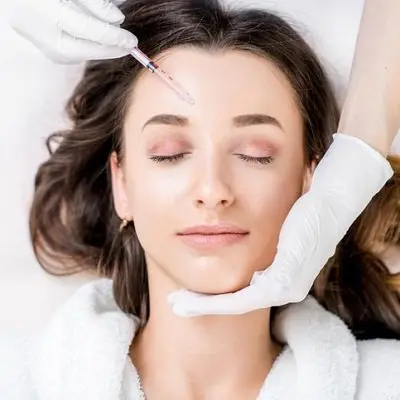
Dermatologists Warn About Over-Exfoliating Mistakes
Posted On Oct 13, 2025Find expert dermatologists for skin, hair, and nail care. Get personalized treatments for acne, eczema, aging, and more. Healthy skin starts with the right care.
Exfoliation has become a cornerstone of modern skincare routines. From chemical peels to physical scrubs, the quest for smooth, glowing skin often leads many to exfoliate daily—or even multiple times a day. While exfoliation can indeed be beneficial, Dermatologists in Oman and around the world caution that over-exfoliating can lead to more harm than good. Understanding the balance between effective exfoliation and skin safety is essential for maintaining healthy, radiant skin.
Understanding Exfoliation: Why It Matters
Exfoliation is the process of removing dead skin cells from the surface of the skin. This process can help unclog pores, reduce acne breakouts, and promote a brighter complexion. There are two main types of exfoliation:
Physical exfoliation: Involves scrubs or brushes that manually remove dead skin cells.
Chemical exfoliation: Uses acids or enzymes, such as alpha-hydroxy acids (AHAs) or beta-hydroxy acids (BHAs), to dissolve dead skin cells.
When done correctly, exfoliation encourages healthy cell turnover, revealing fresher, smoother skin underneath. However, dermatologists in Oman highlight that improper or excessive exfoliation can compromise the skin barrier, causing irritation, redness, and even long-term damage.
Common Over-Exfoliation Mistakes
Even well-intentioned skincare enthusiasts can fall into the trap of over-exfoliating. Some of the most common mistakes include:
Exfoliating Too Frequently
Many people believe that daily exfoliation guarantees better results. In reality, most skin types only require exfoliation 2–3 times a week. Overdoing it can strip away natural oils, leaving the skin dry, sensitive, and prone to inflammation.Using Harsh Scrubs or High-Strength Chemicals
Aggressive physical scrubs with large, rough particles can create micro-tears in the skin. Similarly, strong chemical exfoliants used too often can lead to burns, irritation, or excessive peeling. Dermatologists emphasize selecting products suitable for your skin type and using them in moderation.Ignoring Skin Reactions
Redness, stinging, or increased sensitivity is a clear sign that the skin is overworked. Continuing exfoliation despite these symptoms can lead to chronic irritation and a compromised skin barrier. Listening to your skin’s signals is key.Mixing Multiple Exfoliating Products
Layering chemical exfoliants, scrubs, and even certain cleansers can multiply the risk of irritation. It’s important to avoid combining potent products without professional guidance.
Signs Your Skin Is Over-Exfoliated
Dermatologists in Oman recommend keeping an eye out for the following warning signs:
Persistent redness or inflammation
Dry, flaky patches that don’t improve with moisturizer
Increased sensitivity to sunlight or skincare products
Breakouts or rashes in previously clear areas
Thinner or more fragile-looking skin
If any of these symptoms appear, it’s crucial to pause exfoliation and focus on repairing the skin barrier. Gentle moisturizing and sun protection become top priorities at this stage.
How to Exfoliate Safely
Exfoliating safely is about balance, product selection, and listening to your skin. Here are expert-recommended tips:
Know Your Skin Type: Sensitive skin may benefit from mild chemical exfoliants like lactic acid, while oilier skin can tolerate salicylic acid or gentle physical scrubs.
Start Slow: Introduce exfoliation gradually, allowing your skin to adjust. Begin with once or twice a week and monitor the response.
Avoid Harsh Ingredients: Avoid large, abrasive scrubs or high concentrations of acids unless prescribed. Gentle formulations are often more effective long-term.
Moisturize and Protect: Exfoliated skin can lose moisture easily, so applying a hydrating moisturizer and using broad-spectrum sunscreen daily is critical.
Seek Professional Advice: Consulting dermatologists in Oman can help tailor an exfoliation routine to your unique skin needs, especially for those with acne, rosacea, or hyperpigmentation.
Why Professional Guidance Matters
While social media and beauty blogs offer endless exfoliation tips, dermatologists emphasize that professional guidance is invaluable. Skin types vary widely, and a product that works for one person may be harmful to another. Dermatologists can assess your skin, recommend suitable products, and advise on frequency, preventing long-term damage while maximizing results.
Excessive exfoliation not only undermines skin health but can also lead to costly treatments later on. Investing in the right approach from the start ensures glowing, resilient skin without unnecessary risks.
FAQs About Over-Exfoliation
1. How often should I exfoliate my skin?
Most skin types benefit from 2–3 exfoliation sessions per week. Sensitive or dry skin may require less frequent exfoliation, while oilier skin may tolerate slightly more.
2. Can over-exfoliating cause permanent damage?
Chronic over-exfoliation can weaken the skin barrier, making it more susceptible to irritation, infections, and premature aging. With proper care, the skin often recovers, but prevention is better than repair.
3. Are chemical exfoliants safer than physical scrubs?
Chemical exfoliants tend to be gentler when used correctly. Physical scrubs can create micro-tears if particles are too rough or applied too vigorously. Both can be safe with proper technique and frequency.
4. What should I do if my skin is over-exfoliated?
Stop exfoliating immediately, switch to gentle, hydrating products, and use broad-spectrum sunscreen. Avoid harsh treatments until the skin fully recovers.
5. Can over-exfoliation worsen acne?
Yes. Damaging the skin barrier can trigger inflammation and increase breakouts. Gentle, targeted exfoliation is better for managing acne.
6. How can I prevent over-exfoliation?
Understand your skin type, introduce exfoliation gradually, avoid mixing harsh products, and pay attention to any irritation or redness. Consulting a dermatologist ensures the safest routine.
Exfoliation is a powerful tool when used correctly, but moderation is key. Following dermatologist-recommended practices in Oman will help achieve healthy, radiant skin without risking irritation or long-term damage. By understanding the signs of over-exfoliation and prioritizing skin barrier health, anyone can enjoy the benefits of smooth, glowing skin safely.



;)