Search your location
All in one digital platform website to city promotions
Confirmation
Are you Sure!!! You want to Unfollow this Business?
Note:- You will not longer be able to see our updates.

Enfield Royal Clinic Oman

 Home
Home  About Enfield Royal Clinic Oman
  Treatments
  Make An Enquiry





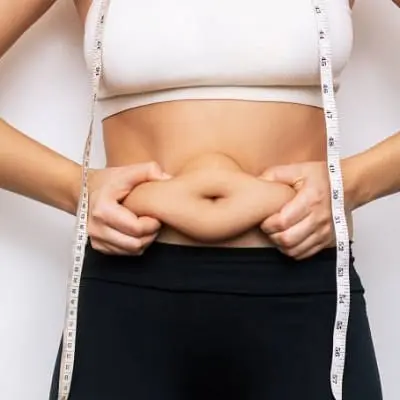
Gastric Balloon: Is It the Right Weight Loss Option for You?
Posted On Jul 25, 2026Discover how a gastric balloon can support weight loss without surgery. Learn about the procedure, benefits, risks, and what to expect during recovery.
Losing weight can be challenging, especially when lifestyle changes alone do not produce the desired results. For people who are struggling with excess weight but may not be ready for or eligible for major weight loss surgery, a Gastric Balloon can be an option worth exploring. This minimally invasive weight loss treatment is designed to help people feel fuller sooner, reduce food intake, and develop healthier eating habits over time.
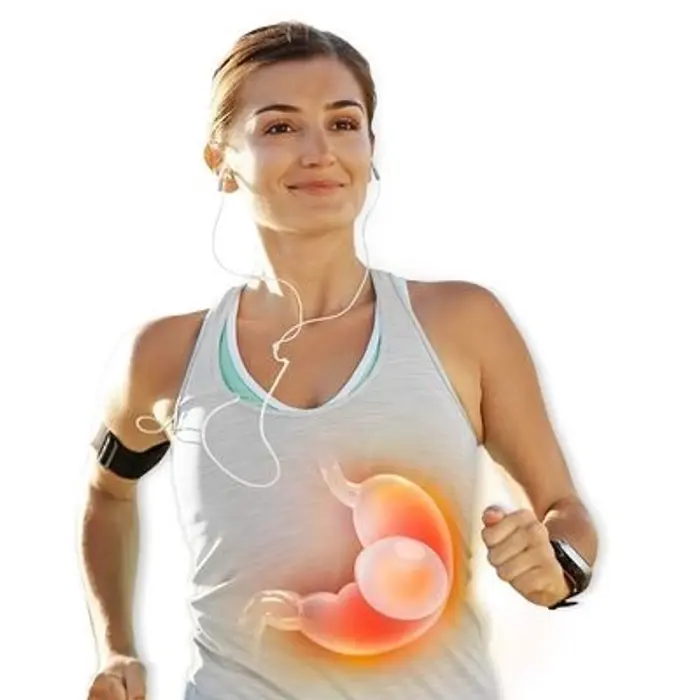
Unlike traditional bariatric surgery, a gastric balloon does not involve cutting or permanently altering the stomach. Instead, a soft balloon is placed inside the stomach and filled with a sterile solution or gas, depending on the type used. By occupying space within the stomach, the balloon can help reduce the amount of food a person needs to feel satisfied.
However, a gastric balloon is not a quick fix or a replacement for healthy lifestyle habits. Its effectiveness depends on several factors, including a person's health, eating patterns, commitment to lifestyle changes, and ability to follow medical guidance. The treatment may be particularly appealing to individuals who want a temporary, non-surgical approach to weight management.
Understanding how the procedure works, who may benefit, what recovery involves, and what results can realistically be expected can help individuals decide whether a gastric balloon is suitable for their weight loss goals.
What Is a Gastric Balloon and How Does It Work?
A gastric balloon is a temporary weight loss device designed to help control food intake. Depending on the specific balloon system, it is placed inside the stomach through a minimally invasive procedure, often using an endoscopic technique. Once positioned correctly, the balloon is expanded to occupy a portion of the stomach.
The presence of the balloon can create a feeling of fullness with smaller meals. This may help reduce portion sizes and make it easier for a person to consume fewer calories. Over time, the goal is to help the individual establish healthier eating patterns that can continue even after the balloon is removed.
One of the main differences between a gastric balloon and bariatric surgery is that the stomach itself is not permanently changed. The balloon is intended to remain in place for a limited period, depending on the type of device and the treatment plan. After the recommended period, it is removed.
While the balloon can support weight loss, it does not directly address every factor that contributes to excess weight. Emotional eating, physical inactivity, sleep problems, stress, and certain medical conditions may all influence weight management. For this reason, the best outcomes generally come from combining the balloon with nutritional guidance, physical activity, and long-term behavioral changes.
Who May Be a Good Candidate for a Gastric Balloon?
A gastric balloon may be considered for adults who have struggled to lose weight through diet and exercise alone and who meet specific medical criteria. However, eligibility varies depending on the individual's health, body mass index, previous weight loss attempts, and the type of balloon being considered.
The treatment may be considered by people who:
- Have excess weight that has been difficult to manage through lifestyle changes
- Prefer a temporary and minimally invasive approach
- Are not ready for or do not want traditional weight loss surgery
- Are willing to follow a structured nutrition and lifestyle program
- Understand that the balloon is a tool to support weight loss rather than a permanent solution
A medical evaluation is important before treatment. The healthcare team may review the person's medical history, medications, previous procedures, eating habits, and overall health.
Certain medical conditions or previous gastrointestinal procedures may make a gastric balloon unsuitable for some individuals. For example, people with certain stomach or esophageal conditions may not be appropriate candidates. Pregnancy and some other health circumstances may also affect eligibility.
A proper assessment allows the healthcare professional to determine whether a gastric balloon is appropriate or whether another weight management strategy would be safer or more effective.
What Happens During Gastric Balloon Placement?
The process of receiving a gastric balloon depends on the specific type of balloon selected. Some systems are placed using an endoscopic procedure, while certain newer options may be designed to be swallowed and placed without traditional endoscopy.
For an endoscopically placed balloon, the patient is generally given sedation or anesthesia, depending on the treatment protocol. A thin, flexible instrument is used to guide the deflated balloon into the stomach. Once the balloon is in the correct position, it is filled to the appropriate size.
The procedure itself is typically shorter and less invasive than many bariatric surgeries. However, patients should still understand that it is a medical procedure with potential risks and side effects.
After placement, the stomach needs time to adjust to the balloon. During the first few days, some people may experience nausea, vomiting, stomach cramps, bloating, or discomfort. These symptoms are often temporary, but the severity and duration can vary.
The healthcare team may recommend a gradual progression from liquids to soft foods and then to a regular diet. Following these instructions can make the adjustment period easier and may help reduce complications.
What Are the Benefits of a Gastric Balloon?
One of the primary advantages of a gastric balloon is that it offers a weight loss option without permanent stomach surgery. This can make it appealing to people who are looking for a less invasive alternative to traditional bariatric procedures.
Potential benefits may include:
- Temporary treatment without permanent alteration of the stomach
- A minimally invasive placement process
- Support for portion control
- Increased feelings of fullness after eating
- Potential improvement in weight-related health concerns
- An opportunity to develop healthier eating habits
- A structured approach to beginning a long-term weight management journey
Weight loss may also provide benefits beyond changes in appearance. For some individuals, reducing excess weight can support improvements in blood sugar control, blood pressure, mobility, sleep quality, and other health concerns. However, the extent of these benefits varies from person to person.
It is important to understand that a gastric balloon is a weight management tool. The balloon itself does not guarantee a particular amount of weight loss. Results depend heavily on the individual's commitment to nutrition, exercise, behavioral changes, and ongoing medical support.
What Are the Risks and Possible Side Effects?
Although a gastric balloon is generally considered less invasive than bariatric surgery, it is not completely risk-free. Patients should discuss potential complications with a qualified healthcare professional before deciding on treatment.
Common side effects, particularly shortly after placement, may include:
- Nausea
- Vomiting
- Abdominal discomfort
- Stomach cramps
- Bloating
- Acid reflux
- Indigestion
These symptoms may improve as the body adjusts to the balloon. However, some people may experience more persistent or severe problems.
Less common but potentially serious complications can include dehydration, ulcers, balloon deflation, intestinal obstruction, or other gastrointestinal issues. In rare circumstances, urgent medical treatment may be required.
Patients should seek prompt medical advice if they experience severe or worsening abdominal pain, persistent vomiting, signs of dehydration, difficulty swallowing, or other concerning symptoms.
The possibility of side effects is one reason why proper patient selection and medical supervision are important. A healthcare professional can explain the potential benefits and risks based on an individual's health history.
How Much Weight Can Be Lost With a Gastric Balloon?
The amount of weight a person can lose with a gastric balloon varies considerably. Factors such as starting weight, eating habits, physical activity, metabolism, medical conditions, and adherence to the recommended program can all affect the outcome.
Some people experience meaningful weight loss during the time the balloon is in place, particularly when they follow nutritional recommendations and make consistent lifestyle changes. Others may lose less weight or find it difficult to maintain their progress after removal.
The most important goal is often not simply achieving a specific number on the scale. Sustainable weight management involves improving eating habits, increasing physical activity where appropriate, and addressing behaviors that may contribute to weight gain.
Patients should be cautious of advertisements or claims that promise guaranteed or dramatic results. A responsible healthcare professional should explain that outcomes differ and that long-term success requires ongoing effort.
A gastric balloon may be particularly useful as a structured opportunity to develop better habits. If a person uses the treatment period to learn portion control, improve food choices, increase activity, and address emotional eating, the benefits may extend beyond the time the balloon remains in place.
What Is Recovery Like After Gastric Balloon Placement?
Recovery varies depending on the type of balloon and the individual's response to treatment. The first few days are often the most challenging because the stomach needs time to adapt.
During the early recovery period, the patient may be advised to follow a liquid diet before gradually progressing to soft foods and eventually regular meals. Smaller portions may be recommended, and eating slowly can become an important part of the new routine.
Some patients may return to normal daily activities relatively quickly, while others may need additional time to feel comfortable. The healthcare team can provide personalized instructions regarding work, exercise, hydration, and dietary progression.
Follow-up appointments may also be part of the treatment plan. These visits can help monitor weight loss, nutritional status, side effects, and overall progress.
Patients should remember that the balloon is only one part of the treatment. Nutritional counseling and lifestyle support can be equally important. Developing sustainable habits during the treatment period may help reduce the risk of regaining weight after the balloon is removed.
Is a Gastric Balloon the Right Weight Loss Option?
Determining whether a gastric balloon is the right choice requires an individualized assessment. It may be suitable for someone who wants a temporary, minimally invasive weight loss option and is prepared to actively participate in lifestyle changes.
However, it may not be the best choice for everyone. Some individuals may benefit more from structured lifestyle management, prescription weight loss medication, or bariatric surgery. The appropriate option depends on factors such as body weight, medical history, previous weight loss attempts, eating behaviors, and personal goals.
A consultation with a qualified healthcare professional can help clarify the available options. The discussion should cover expected benefits, possible risks, recovery, lifestyle requirements, and long-term weight management.
The decision should also take into account what happens after the balloon is removed. Since the device is temporary, maintaining healthy habits is essential for supporting long-term results.
Ultimately, a gastric balloon should be viewed as a tool that can help support weight loss rather than a standalone cure for obesity. When combined with professional guidance and sustainable lifestyle changes, it may provide a useful starting point for people seeking to improve their health and manage their weight.
FAQs
1. Is a gastric balloon considered weight loss surgery?
A gastric balloon is generally considered a non-surgical or minimally invasive weight loss treatment rather than traditional bariatric surgery. Depending on the specific balloon system, placement and removal may involve an endoscopic procedure, while some newer systems are designed for placement without conventional surgery.
2. How long does a gastric balloon stay in the stomach?
The duration depends on the type of gastric balloon used. Some are designed to remain in place for several months, while other systems may have different treatment periods. The healthcare professional will explain the expected duration and removal process before treatment begins.
3. Is a gastric balloon painful?
The placement process itself is generally performed with appropriate sedation or anesthesia when required. However, some patients may experience nausea, cramping, bloating, or abdominal discomfort during the first few days while the stomach adjusts. The intensity of symptoms varies between individuals.
4. Can someone eat normally with a gastric balloon?
Most patients gradually return to eating regular foods after the initial adjustment period. However, meal sizes are generally smaller, and patients may need to eat slowly and follow specific dietary recommendations. Nutritional guidance can help patients adapt to the balloon and develop healthier eating habits.
5. What happens after the gastric balloon is removed?
After removal, the stomach returns to its usual physical state, but maintaining weight loss depends largely on lifestyle habits. Continuing healthy eating patterns, physical activity, and behavioral strategies can help support long-term weight management.
6. Can everyone with obesity have a gastric balloon?
No. A gastric balloon is not appropriate for everyone. Eligibility depends on factors such as overall health, body weight, medical history, previous gastrointestinal procedures, and other individual considerations. A qualified healthcare professional should evaluate each person before treatment.
Read More About Gastric Balloon: https://666972af349f3.site123.me/blog/can-gynecomastia-return-after-gynecomastia-surgery







;)