Enfield Royal Clinic Oman

 Home
Home  About Enfield Royal Clinic Oman
  Treatments
  Make An Enquiry






Gastric Balloon Treatment: A Step-by-Step Guide
Posted On Jul 25, 2026Discover how a gastric balloon can support weight loss without surgery. Learn about the procedure, benefits, risks, and what to expect during recovery.
For people looking for a non-surgical approach to weight management, a gastric balloon can be an option worth exploring. The treatment is designed to help individuals feel full sooner, reduce portion sizes, and develop healthier eating habits without undergoing traditional weight-loss surgery.
Interest in Gastric Balloon in Muscat has grown among people who want structured support for weight management while avoiding invasive surgical procedures. The treatment is temporary and generally involves placing a soft balloon inside the stomach, where it occupies space and helps create an earlier feeling of fullness.
However, choosing a gastric balloon is not simply about having a device placed in the stomach. The process typically involves several stages, from the initial consultation and medical assessment to dietary preparation, balloon placement, recovery, and long-term lifestyle support. Understanding each step can help individuals make informed decisions and know what to expect throughout the treatment journey.
The following guide explains how gastric balloon treatment generally works, what happens before and after the procedure, and why healthy lifestyle changes remain an important part of achieving sustainable results.
What Is a Gastric Balloon?
A gastric balloon is a temporary weight-management device designed to help control food intake. Unlike procedures such as gastric bypass or sleeve gastrectomy, a gastric balloon does not involve cutting or permanently changing the digestive system.
Depending on the type of balloon used, the device may be inserted into the stomach through an endoscopic procedure or introduced through another approved method. Once positioned, the balloon is filled to an appropriate size or activated according to its specific design.
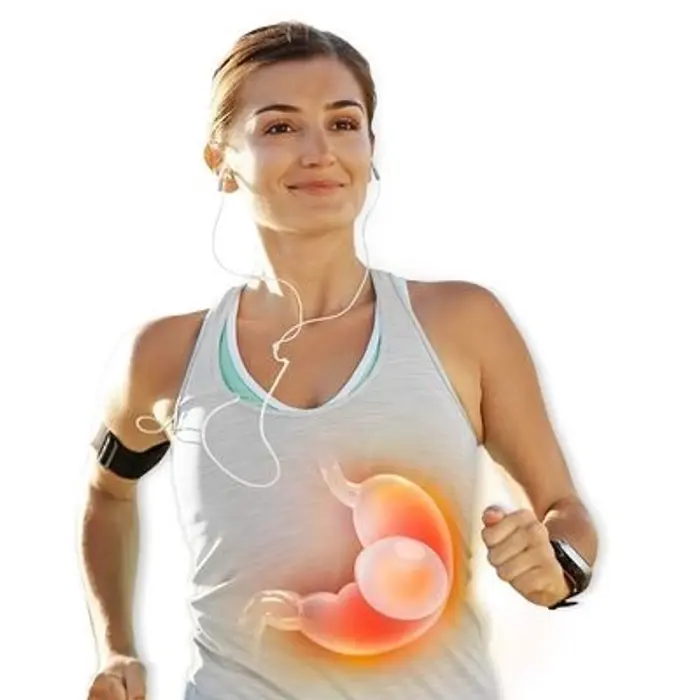
The balloon takes up space inside the stomach, which can help a person feel full after eating smaller quantities of food. This reduction in available space may encourage better portion control and help individuals become more aware of hunger and fullness signals.
The treatment is generally intended to work alongside healthy lifestyle changes. The balloon itself is temporary, meaning that long-term weight management depends on developing habits that can continue after the treatment period ends.
For individuals considering a Gastric Balloon in Muscat, understanding the temporary nature of the treatment is particularly important. The goal is not simply short-term weight loss but to use the treatment period as an opportunity to establish sustainable nutrition, physical activity, and behavioral habits.
Step 1: Initial Consultation and Medical Assessment
The first stage of gastric balloon treatment is usually a consultation with a qualified healthcare professional. This appointment allows the individual's health, weight history, lifestyle, and weight-management goals to be reviewed.
The healthcare team may ask about previous attempts at weight loss, current medications, existing medical conditions, eating patterns, and previous gastrointestinal problems. A person's body mass index and overall health may also be considered when determining whether a gastric balloon is an appropriate option.
The assessment may include physical examinations or additional tests, depending on the individual's circumstances. The purpose is to identify potential risks and ensure that the treatment is suitable.
The consultation is also an opportunity for the individual to ask questions. Topics may include how the balloon is placed, how long it remains in position, expected weight-loss outcomes, possible side effects, dietary requirements, recovery, and follow-up care.
Not everyone is automatically suitable for a gastric balloon. Certain gastrointestinal conditions, previous surgeries, or other health factors may affect eligibility. For this reason, an individualized medical assessment is an essential part of the process.
A clear understanding of expectations is equally important. The gastric balloon can support weight loss, but it is not generally considered a standalone solution. Results can vary significantly depending on factors such as adherence to dietary recommendations, physical activity, and long-term lifestyle habits.
Step 2: Preparing for Gastric Balloon Treatment
Once an individual has been assessed and is considered suitable, preparation for the treatment begins. The healthcare team typically provides specific instructions about eating, drinking, and medications before the procedure.
In some cases, the person may need to avoid food and drink for a certain period before balloon placement. This is important for safety and may help ensure that the stomach is appropriately prepared for the procedure.
Medication instructions should also be followed carefully. Some medications may need to be adjusted temporarily, but this should only be done under professional guidance.
Dietary preparation can also be part of the process. Individuals may be advised to make gradual changes to their eating habits before treatment. Reducing very large meals, becoming more mindful of portion sizes, and developing a habit of eating slowly can help prepare someone for life with the balloon.
The preparation stage is also a good time to organize practical support. Some people may experience nausea, stomach discomfort, or tiredness during the first few days after placement. Having time available for rest and access to recommended fluids and foods can make the early recovery period more manageable.
Step 3: The Gastric Balloon Placement Procedure
The exact placement process depends on the type of gastric balloon selected. Some balloons are inserted using an endoscope, while other approved balloon systems may use a different placement approach.
For an endoscopic gastric balloon, the procedure generally involves guiding the deflated balloon into the stomach using a flexible instrument. Once the balloon is correctly positioned, it is filled with an appropriate amount of fluid or gas, depending on the specific device.
Sedation or anesthesia may be used to improve comfort during the procedure. The healthcare team monitors the individual throughout the process and checks that the balloon is positioned correctly.
The procedure itself is usually much less invasive than traditional weight-loss surgery because it does not involve making surgical incisions in the abdomen. However, it remains a medical treatment and should be performed by appropriately trained professionals in a suitable healthcare setting.
After placement, the individual may be monitored for a period of time before being allowed to leave. The exact observation period depends on the type of procedure, the individual's condition, and the healthcare team's recommendations.
Step 4: The First Days After Balloon Placement
The first few days following gastric balloon placement are often the most challenging part of the treatment. The stomach may need time to adjust to the presence of the balloon.
Temporary symptoms can include nausea, vomiting, stomach cramps, bloating, reflux, and a feeling of pressure or fullness. These symptoms vary from one individual to another and may be more noticeable during the initial adjustment period.
Healthcare professionals may recommend medications to help control nausea, stomach acid, or discomfort. Taking any prescribed medication exactly as instructed can help make the recovery process more comfortable.
Hydration is particularly important during this stage. Individuals may initially be advised to take small, frequent sips of suitable fluids rather than drinking large amounts at once. The dietary plan is usually progressed gradually as the stomach becomes more comfortable.
Rest is also important. Although gastric balloon treatment is not the same as major abdominal surgery, the body still needs time to adapt.
Severe or persistent symptoms should not be dismissed as a normal part of recovery. If a person cannot keep fluids down, experiences severe abdominal pain, develops significant weakness, or notices other concerning symptoms, professional medical advice should be sought promptly.
Step 5: Following the Gastric Balloon Diet
Nutrition is one of the most important components of the gastric balloon journey. The device can help reduce the amount of food a person can comfortably consume, but the individual still needs to make appropriate food choices.
The diet is typically introduced in stages following balloon placement. The exact progression depends on the type of balloon and the individual's tolerance.
The initial stage may involve liquids, followed by thicker liquids or soft foods. As the digestive system adapts, solid foods are gradually reintroduced.
Once a regular diet is established, portion control becomes particularly important. Because the balloon occupies space inside the stomach, consuming large meals may lead to discomfort or nausea.
Individuals are often encouraged to eat slowly and chew food thoroughly. Paying attention to feelings of fullness can help prevent overeating. Balanced meals containing appropriate sources of protein, vegetables, whole grains, and other nutrient-rich foods may also support overall health.
Sugary drinks, highly processed foods, and foods that are high in calories but low in nutritional value may be limited as part of a broader weight-management strategy.
The dietary approach should always be individualized. A qualified nutrition professional may help create a practical eating plan based on the person's health needs, food preferences, and weight-management goals.
Step 6: Follow-Up, Lifestyle Changes, and Long-Term Results
Gastric balloon treatment does not end once the balloon has been placed. Follow-up care is an important part of the process.
Regular appointments may be used to monitor weight changes, assess tolerance, discuss dietary habits, and address any concerns. The healthcare team may also provide guidance on physical activity and behavioral changes.
Exercise can gradually become part of the individual's routine as recovery progresses. The appropriate level of activity depends on overall health and physical ability. A combination of regular movement, strength-building activities, and other suitable forms of exercise may support long-term weight management.
Behavioral changes are equally important. Some people may benefit from learning how to identify emotional eating triggers, manage portion sizes, plan meals, and recognize hunger and fullness cues.
The temporary nature of the gastric balloon makes this period particularly valuable. The time spent with the balloon can provide an opportunity to practice healthier habits before the device is removed or its treatment period ends.
Once the balloon is removed or the treatment concludes, continuing these habits can help reduce the risk of regaining lost weight. Long-term results are more likely to depend on sustainable lifestyle choices than on the balloon alone.
For individuals researching Gastric Balloon in Muscat, it is therefore useful to consider the entire treatment program rather than focusing only on the placement procedure. Consultation, nutritional guidance, follow-up care, and lifestyle support can all contribute to a more complete weight-management experience.
Frequently Asked Questions About Gastric Balloon Treatment
1. How does a gastric balloon help with weight loss?
A gastric balloon occupies space inside the stomach, which can help a person feel full after eating smaller portions. This may reduce overall food intake and make portion control easier. The best results generally come when the treatment is combined with healthy eating habits and regular physical activity.
2. Is gastric balloon treatment a surgical procedure?
A gastric balloon is generally considered a non-surgical weight-management treatment because it does not require traditional abdominal surgery or permanent changes to the digestive system. However, certain balloon types may require an endoscopic procedure for placement and removal, so the exact process depends on the device used.
3. How long does a gastric balloon stay in the stomach?
The duration varies depending on the type of balloon. Some are designed to remain in place for several months, while others have different treatment timelines. The healthcare professional can explain the expected duration and removal process for the specific balloon being considered.
4. What can someone eat after gastric balloon placement?
Diet is usually progressed gradually, beginning with liquids and moving toward soft foods before returning to a more regular diet. Once solid foods are introduced, smaller portions and slower eating are generally encouraged. Individual dietary instructions should always be followed because recommendations can vary based on the treatment and the person's health.
5. Are there side effects after gastric balloon treatment?
Temporary nausea, vomiting, abdominal discomfort, bloating, reflux, and cramping may occur, particularly during the first few days. These symptoms often improve as the body adjusts. Persistent or severe symptoms require prompt medical evaluation.
6. Is a gastric balloon enough to achieve long-term weight loss?
A gastric balloon can be a useful tool for supporting weight loss, but it is generally not intended to work alone. Long-term results depend on maintaining healthy eating habits, regular physical activity, and sustainable lifestyle changes. Follow-up support can also help individuals stay on track after the balloon treatment period ends.
Final Thoughts on Gastric Balloon Treatment
Gastric balloon treatment can provide a structured, non-surgical approach to weight management for appropriately selected individuals. From the first consultation through preparation, placement, recovery, dietary progression, and follow-up care, each stage plays an important role in the overall experience.
For those exploring Gastric Balloon in Muscat, understanding the full process can make it easier to prepare for treatment and set realistic expectations. The balloon can help with portion control and encourage earlier feelings of fullness, but its greatest value may come from helping individuals establish healthier habits during the treatment period.
Anyone considering this option should seek an individualized assessment from a qualified healthcare professional. A thorough evaluation can help determine whether the treatment is appropriate and provide personalized advice about preparation, recovery, nutrition, and long-term weight management.
Read More About Gastric Balloon: https://666972af349f3.site123.me/blog/gastric-balloon-results-when-will-you-see-a-difference






;)