Enfield Royal Clinic Oman

 Home
Home  About Enfield Royal Clinic Oman
  Treatments
  Make An Enquiry





The Truth About Gastric Balloon Weight Loss Results
Posted On Jul 25, 2026Discover how a gastric balloon can support weight loss without surgery. Learn about the procedure, benefits, risks, and what to expect during recovery.
For people who have struggled with weight loss despite trying different diets, exercise routines, or lifestyle changes, a gastric balloon may seem like an appealing option. Unlike traditional bariatric surgery, a gastric balloon is a non-surgical weight management procedure designed to help a person feel fuller with less food. It is often considered by individuals who want support in changing eating habits while working toward healthier weight goals.
Interest in Gastric Balloon in Oman has grown as more people look for minimally invasive approaches to weight management. However, understanding what the procedure can—and cannot—achieve is essential before making a decision. Weight loss results can vary considerably from one individual to another, and the gastric balloon itself is only one part of a broader weight management plan.
The truth is that a gastric balloon is not a quick fix or a guarantee of permanent weight loss. Its effectiveness depends on several factors, including starting weight, eating habits, physical activity, commitment to lifestyle changes, and ongoing professional guidance. When used appropriately, however, it can provide a valuable tool for people who need additional support to establish healthier habits.
What Is a Gastric Balloon and How Does It Work?
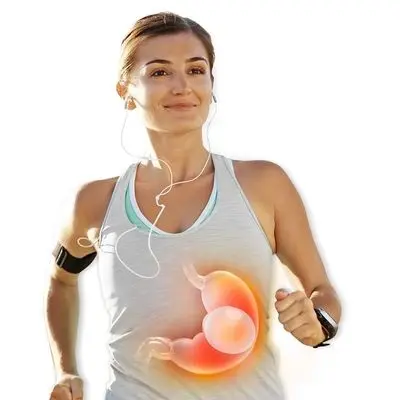
A gastric balloon is a temporary weight loss device placed inside the stomach to occupy some of the available space. Depending on the type of balloon, placement may be performed through an endoscopic procedure or, in some cases, through a swallowing-based technique.
Once in place, the balloon takes up space in the stomach, which can help reduce the amount of food a person can comfortably consume at one time. It may also contribute to an earlier feeling of fullness after eating. This can make it easier for some individuals to reduce portion sizes and control overall calorie intake.
The main purpose of a gastric balloon is not simply to restrict food. Instead, it is intended to create an opportunity for a person to develop better eating patterns during the period when the balloon is in place.
A successful treatment plan generally combines the balloon with nutritional advice, physical activity, and behavioral changes. This combination is important because the balloon is temporary. Once it is removed, the habits developed during treatment can play a major role in determining whether weight loss is maintained.
How Much Weight Can Someone Expect to Lose?
One of the most common questions about Gastric Balloon in Oman is how much weight a person can realistically expect to lose. There is no single answer because results vary between individuals.
In general, many people experience meaningful weight loss during the months that the balloon remains in place. The amount may depend on factors such as the person's initial body weight, metabolic health, age, dietary habits, activity level, and adherence to the recommended treatment plan.
Some individuals may lose a relatively modest amount of weight, while others may achieve more substantial results. It is important to understand that promotional claims about dramatic weight loss do not represent what every patient will experience.
A more useful way to evaluate results is to consider whether the person is making steady progress toward healthier weight and lifestyle goals. Even moderate weight loss can potentially provide health benefits for individuals who are overweight or living with obesity.
For example, losing weight may help improve mobility, reduce strain on the joints, and support better management of certain weight-related health concerns. The benefits can extend beyond the number shown on the scale.
A qualified healthcare professional can assess an individual's circumstances and provide a more realistic expectation based on medical history and weight-related goals.
Why Gastric Balloon Results Differ From Person to Person
The gastric balloon does not produce identical results for everyone. Several factors influence how much weight a person loses and whether that weight loss is maintained.
One important factor is dietary behavior. A person who regularly consumes high-calorie foods, sugary drinks, or large portions may need significant nutritional support to change those habits. The balloon can make smaller portions more comfortable, but it does not automatically eliminate cravings or emotional eating.
Physical activity also matters. As weight decreases and energy levels improve, increasing daily movement can support continued progress. Exercise does not necessarily need to be intense. Walking, swimming, strength training, and other suitable activities can contribute to a healthier lifestyle when introduced gradually and safely.
Another important factor is adherence to follow-up care. Regular appointments can help identify challenges early and provide opportunities to adjust nutrition, activity, and behavior strategies.
Individual health conditions may also affect results. Hormonal disorders, metabolic conditions, certain medications, sleep problems, and psychological factors can influence weight management. This is why a thorough medical assessment is an important step before considering a gastric balloon.
Ultimately, the balloon can provide physical support, but long-term results depend heavily on what happens alongside and after the procedure.
Is Gastric Balloon Weight Loss Permanent?
A gastric balloon is temporary, so the weight loss achieved during treatment is not automatically permanent. This is one of the most important truths that anyone considering the procedure should understand.
The balloon may help a person lose weight during a defined treatment period, but maintaining that weight after removal requires continued lifestyle management. If old eating habits return, weight regain can occur.
The good news is that the temporary nature of the balloon can also be viewed as an opportunity. During the treatment period, individuals can work on developing sustainable habits such as eating balanced meals, controlling portions, recognizing hunger and fullness signals, and becoming more physically active.
Some people may find it easier to maintain their progress when they continue receiving nutritional and behavioral support after balloon removal. A long-term plan can help reduce the risk of returning to previous habits.
For this reason, a gastric balloon should generally be viewed as a tool that supports behavioral change rather than a standalone cure for obesity.
What Happens During and After Gastric Balloon Treatment?
Before treatment, an individual typically undergoes a medical evaluation to determine whether the procedure is appropriate. The healthcare team may review medical history, current medications, previous weight loss attempts, dietary habits, and any conditions that could affect treatment.
After placement, the body may need time to adjust to the balloon. Some people experience temporary symptoms such as nausea, abdominal discomfort, vomiting, or acid reflux. These effects are often more noticeable during the early adjustment period, although the experience can vary.
As the body adapts, many individuals can gradually return to normal eating patterns, usually following specific dietary instructions provided by their healthcare team.
The period after placement is particularly important. Nutritional guidance can help the individual understand appropriate portion sizes and make healthier food choices. Regular physical activity may also be introduced or increased based on individual fitness and medical considerations.
Once the balloon is removed, continued support becomes equally important. The goal is to preserve the habits learned during treatment so that weight management does not depend solely on the presence of the device.
Who May Consider a Gastric Balloon?
A gastric balloon may be considered by adults who have difficulty achieving sufficient weight loss through lifestyle changes alone and who meet appropriate medical criteria.
It may be particularly appealing to people who are not ready for, or do not require, more invasive bariatric surgery. However, suitability depends on individual health factors, weight status, medical history, and the specific type of balloon being considered.
A gastric balloon may not be suitable for everyone. Certain digestive conditions, previous gastrointestinal procedures, pregnancy, or other medical circumstances may affect eligibility. A detailed evaluation is therefore essential.
Anyone researching Gastric Balloon in Oman should focus on receiving information from qualified healthcare professionals rather than relying solely on online testimonials or advertisements. A medical assessment can help determine whether the procedure is appropriate and what results may realistically be expected.
The Real Secret to Better Gastric Balloon Results
The most important factor behind successful gastric balloon treatment is not the balloon itself. It is the person's ability to use the treatment period to build sustainable habits.
A comprehensive approach may include:
Following recommended dietary guidance
Eating slowly and paying attention to fullness
Choosing nutrient-dense foods
Reducing highly processed and high-calorie foods
Staying physically active according to individual ability
Attending scheduled follow-up appointments
Addressing emotional or stress-related eating when necessary
Maintaining healthy habits after balloon removal
The best results are usually measured not only by weight loss but also by improvements in overall health, daily activity, confidence, and quality of life.
It is also important to have realistic expectations. The goal should not necessarily be to achieve an idealized body weight within a short period. Instead, sustainable progress and improved health should remain the primary objectives.
For people considering Gastric Balloon in Oman, the decision should be based on a complete understanding of the potential benefits, limitations, risks, and long-term responsibilities involved.
1. Is a gastric balloon a permanent weight loss solution?
No. A gastric balloon is designed to be temporary. It can support weight loss during the treatment period, but maintaining results after removal depends largely on continued healthy eating, regular physical activity, and long-term lifestyle changes.
2. How quickly can weight loss begin after gastric balloon placement?
Some individuals begin losing weight within the first few weeks, particularly as they adjust to smaller portions and follow their recommended nutrition plan. However, the pace of weight loss varies, and steady progress is generally more important than rapid weight reduction.
3. Is a gastric balloon suitable for everyone?
No. Suitability depends on factors such as overall health, weight status, medical history, digestive health, and previous treatments. A qualified healthcare professional should conduct an assessment before treatment is considered.
4. Can weight return after the balloon is removed?
Yes, weight regain is possible. The risk may be higher if previous eating patterns and lifestyle habits return after removal. Continuing with a structured weight management plan can help support long-term results.
5. Does a gastric balloon require surgery?
Many gastric balloon procedures are considered non-surgical or minimally invasive, depending on the specific balloon system used. The placement method varies, so individuals should discuss the available options and their suitability with a qualified healthcare professional.
6. What can improve gastric balloon weight loss results?
Following nutritional guidance, maintaining regular physical activity, attending follow-up appointments, managing portion sizes, and developing sustainable eating habits can all contribute to better outcomes. The balloon works best as part of a comprehensive weight management strategy rather than as a standalone solution.
A gastric balloon can be a useful option for selected individuals who need additional support with weight management, but its results should be viewed realistically. It can help reduce food intake and create an opportunity for healthier habits, yet the long-term outcome depends on much more than the device itself.
For anyone researching Gastric Balloon in Oman, understanding the full treatment journey is essential. The most successful approach is one that combines realistic expectations, professional medical guidance, nutrition, physical activity, and long-term behavioral change. With the right support and commitment, the treatment period can become an important step toward healthier and more sustainable weight management.
Read More About Gastric Balloon: https://666972af349f3.site123.me/blog/how-to-prepare-for-your-gastric-balloon-procedure







;)