Enfield Royal Clinic Oman

 Home
Home  About Enfield Royal Clinic Oman
  Treatments
  Make An Enquiry





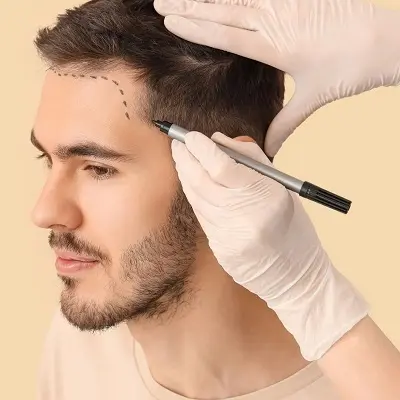
Hair Transplant Grafts Explained: How Many Do You Need?
Posted On Nov 19, 2025Restore your hair and confidence with advanced hair transplant solutions. Learn about procedures, benefits, recovery, and expert tips for natural-looking results.
Hair loss can significantly impact self-esteem and confidence, prompting many individuals to explore hair restoration options. Among these, hair transplants have emerged as a popular and effective solution. People seeking the Best Hair Transplant in Muscat often have questions about grafts—what they are, how many are needed, and how they influence results. This article provides an expert, yet friendly guide to understanding hair transplant grafts, helping patients make informed decisions about their hair restoration journey.
What Are Hair Transplant Grafts?
A hair transplant graft is a small segment of scalp tissue containing one or more hair follicles that are transplanted from a donor area to a thinning or bald area. Each graft typically contains 1–4 hair follicles, depending on the technique used and the patient’s hair characteristics. Grafts are the building blocks of a hair transplant procedure, and the number required varies based on individual hair loss patterns and desired density.
Understanding grafts is essential because the number of grafts determines how thick and natural the hair will appear post-transplant. Surgeons carefully calculate the total number of grafts needed to achieve balanced results that complement facial features and head shape.
Types of Hair Transplant Grafts
Modern hair transplant procedures generally involve two main types of grafting techniques:
Follicular Unit Extraction (FUE)
FUE involves extracting individual follicular units directly from the donor area. Each graft contains 1–4 hair follicles and is carefully implanted into the recipient area. FUE is minimally invasive, leaves tiny scars that are almost invisible, and allows for faster recovery.
Follicular Unit Transplantation (FUT)
FUT, also known as the strip method, involves removing a small strip of scalp from the donor area. Individual follicles are then dissected into grafts before being transplanted. This method allows for a larger number of grafts in a single session, making it suitable for extensive hair loss.
Both techniques aim to create a natural-looking hairline and restore density, but the choice depends on hair loss severity, scalp condition, and patient preference.
How Many Grafts Do You Need?
The number of grafts required varies significantly from person to person. Factors influencing graft quantity include:
Extent of Hair Loss: Patients with mild thinning may need 1,500–2,000 grafts, whereas those with extensive baldness may require 3,000–5,000 or more.
Hair Density and Texture: Thick, coarse hair can provide better coverage with fewer grafts compared to fine or thin hair.
Donor Hair Availability: The density and quality of hair in the donor area affect how many grafts can be safely harvested.
Desired Aesthetic Outcome: Patients seeking a fuller, denser look may require more grafts, while those prioritizing a natural hairline may need fewer.
A consultation with a qualified surgeon helps determine the optimal number of grafts, ensuring realistic and satisfying results.
Planning Your Hair Transplant
Proper planning is essential to achieve a natural and harmonious outcome. During the planning phase, surgeons consider:
Hairline Design: A well-designed hairline frames the face and creates a youthful appearance.
Recipient Area Mapping: Identifying areas that need the most coverage ensures efficient use of grafts.
Density Distribution: Surgeons strategically place grafts to avoid unnatural clumping and maintain a gradual transition from thick to thinner areas.
Session Planning: Some patients may require multiple sessions depending on the number of grafts needed and scalp laxity.
Thoughtful planning maximizes the use of available grafts and prevents overharvesting or undercoverage.
Recovery and Post-Transplant Care
After the procedure, proper care is critical for graft survival and healthy hair growth. Key recommendations include:
Avoiding Physical Strain: Refrain from heavy exercise, bending, or lifting for at least a week.
Gentle Scalp Care: Use mild shampoos and avoid scratching or rubbing the transplanted area.
Protecting from Sun and Heat: Direct sun exposure can damage delicate grafts during the first few weeks.
Healthy Nutrition and Hydration: A balanced diet rich in vitamins and minerals supports healing and follicle health.
Most patients notice new hair growth within 3–4 months, with full results appearing between 9–12 months.
Common Misconceptions About Hair Grafts
Myth 1: More Grafts Always Mean Better Results
While more grafts can increase density, quality placement is far more important. Poorly distributed grafts can look unnatural, regardless of quantity. Surgeons focus on creating a realistic hairline and balanced coverage rather than simply increasing numbers.
Myth 2: Grafts Can Be Reused
Hair follicles are delicate and cannot be reused once transplanted. Each graft is unique, and careful handling is necessary to ensure survival.
Myth 3: Hair Will Grow Immediately
Transplanted follicles initially enter a resting phase and may shed temporarily—a normal part of the healing process. New growth begins gradually, with full results visible after several months.
Frequently Asked Questions (FAQs)
1. How do surgeons calculate the number of grafts needed?
They assess the extent of hair loss, donor hair quality, hair texture, and desired density to determine the ideal number of grafts for natural results.
2. Can I achieve full coverage in a single session?
It depends on hair loss severity and donor hair availability. Some patients may require multiple sessions to achieve optimal density.
3. Are grafts permanent?
Yes, transplanted grafts are permanent and resistant to genetic hair loss, as they are typically harvested from areas unaffected by thinning.
4. Does graft extraction cause scarring?
FUE leaves tiny, almost invisible scars, while FUT leaves a linear scar that can usually be concealed by surrounding hair.
5. How long is the recovery period?
Most patients resume normal activities within a week, with minor redness or swelling subsiding shortly after. Full hair growth appears over 9–12 months.
6. Can I increase the number of grafts after the first transplant?
Yes, additional sessions are possible if more coverage or density is desired, provided the donor area has sufficient hair.
Final Thoughts
Understanding hair transplant grafts is crucial for anyone considering the best hair transplant in Muscat. Grafts are the foundation of hair restoration, and their quality, placement, and quantity determine the final appearance. By consulting with experienced surgeons, carefully planning the procedure, and following proper aftercare, patients can achieve natural, permanent results that enhance confidence and personal style.
Hair transplants are not just about the number of grafts—they are about strategy, artistry, and patience. With the right approach, patients in Muscat can enjoy a successful hair restoration journey that looks and feels completely natural.




;)