Enfield Royal Clinic Oman

 Home
Home  About Enfield Royal Clinic Oman
  Treatments
  Make An Enquiry





How Many PRP Hair Treatment Sessions Do You Really Need?
Posted On Nov 20, 2025Revitalize your hair with PRP Hair Treatment – a safe, non-surgical therapy using your own platelets to stimulate hair growth and combat thinning. Discover fuller, healthier hair today.
Platelet-Rich Plasma (PRP) therapy has rapidly gained popularity as a minimally invasive solution for hair thinning and early-stage hair loss. Its ability to stimulate dormant hair follicles and strengthen existing strands makes it an attractive option for both men and women. For individuals in Muscat exploring effective hair restoration, one of the most common questions is: how many PRP hair treatment sessions are actually needed to see results? This article delves into the factors that influence session requirements, what to expect during treatment, and tips for achieving optimal outcomes with the Best PRP Hair Transplant in Muscat.
What Is PRP Hair Treatment and How Does It Work?
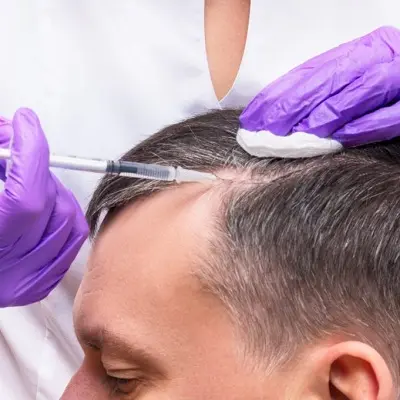
PRP hair treatment involves using the patient’s own blood to promote hair growth. A small amount of blood is drawn and processed in a centrifuge to concentrate the platelets, which contain growth factors essential for tissue regeneration. This platelet-rich plasma is then injected into areas of the scalp experiencing thinning or hair loss.
The growth factors in PRP encourage the activation of dormant hair follicles, increase blood supply to the scalp, and strengthen existing hair. Since the procedure uses the patient’s own plasma, it is generally safe, minimally invasive, and compatible with a wide range of individuals.
Why the Number of Sessions Matters
Unlike surgical hair transplants, PRP therapy is not a one-time solution. Hair growth is a gradual process, and PRP works by enhancing the scalp’s natural regenerative abilities over time. The number of sessions required depends on multiple factors, including:
The extent of hair thinning or loss
Age and overall health of the patient
Scalp condition and hair follicle density
Response to the treatment during initial sessions
For those seeking the best PRP hair transplant in Muscat, understanding session frequency is crucial to setting realistic expectations and planning for long-term maintenance.
Typical PRP Hair Treatment Schedule
Most PRP hair treatment plans follow a phased approach:
Initial Phase
This phase usually includes 3 to 4 sessions spaced 4 to 6 weeks apart. During this period, the aim is to stimulate dormant follicles, strengthen existing hair, and improve scalp health.
Consolidation Phase
After the initial sessions, a few additional treatments may be recommended every 3 to 6 months. This helps maintain the results achieved and ensures that hair growth continues steadily.
Maintenance Phase
For long-term results, many patients benefit from occasional maintenance sessions once or twice a year. These help preserve hair density and prevent future thinning.
While some individuals notice improvements after just one or two sessions, significant and visible changes typically require at least 3 to 6 sessions. Consistency is key to achieving durable results.
Factors That Affect the Number of PRP Sessions
Several factors can influence how many sessions a patient might need:
Severity of Hair Loss
Patients with early-stage thinning generally respond more quickly to PRP, sometimes requiring fewer sessions. Those with advanced hair loss may need more treatments or a combination of PRP with other therapies.
Age and Health
Younger patients with a healthy lifestyle often see faster responses due to better cellular regeneration. Medical conditions, nutritional deficiencies, and hormonal imbalances can slow down progress.
Hair Growth Cycle
Hair grows in phases: anagen (growth), catagen (transitional), and telogen (resting). PRP works best when follicles are in the anagen phase, which can vary among individuals and affect treatment outcomes.
Technique and Platelet Concentration
The effectiveness of PRP depends on the quality of the plasma, the injection technique, and the expertise of the practitioner. High-quality PRP and precise injection into targeted scalp areas can reduce the number of sessions required.
What to Expect During PRP Sessions
Understanding the procedure helps manage expectations and encourages patient compliance. A typical PRP session includes:
Consultation – Assessment of hair loss, discussion of goals, and planning of treatment frequency.
Blood Draw – A small blood sample is collected, similar to routine tests.
Centrifugation – The blood is spun to isolate platelet-rich plasma.
Injection – PRP is carefully injected into thinning areas of the scalp using fine needles.
Aftercare Guidance – Patients are advised on gentle scalp care, avoiding harsh chemicals, and following any activity restrictions for a short period.
Each session usually takes about 45 to 60 minutes, and recovery is minimal. Most patients can resume normal activities immediately.
How to Maximize the Effectiveness of PRP
Achieving the best results from PRP therapy requires more than just showing up for sessions. Key tips include:
Follow the Recommended Schedule – Skipping sessions can reduce effectiveness.
Healthy Lifestyle – Adequate sleep, balanced nutrition, and proper hydration support hair regrowth.
Scalp Care – Avoid harsh chemical treatments or excessive heat styling during the treatment period.
Combine Therapies if Needed – PRP works well alongside topical treatments or supplements for enhanced outcomes.
Consistency and patience are critical. PRP is a gradual process, and rushing or skipping treatments can hinder results.
Who Benefits the Most from PRP Hair Treatments
PRP therapy is suitable for a wide range of individuals, including:
Men and women with early-stage hair thinning
Those experiencing androgenic alopecia (pattern baldness)
Individuals with hair shedding due to stress, hormonal changes, or minor scalp issues
Patients looking to complement previous hair transplant results
It may be less effective for individuals with complete baldness or long-term inactive follicles. A consultation helps determine candidacy and expected outcomes.
FAQs About PRP Hair Treatment Sessions
1. How soon will I see results from PRP sessions?
Most patients notice initial improvements within 2 to 3 months, but significant results usually appear after 4 to 6 months of consistent sessions.
2. Is PRP painful?
Discomfort is typically minimal. Some mild scalp sensitivity may occur, and topical numbing agents are often used for comfort.
3. Can I combine PRP with other hair restoration treatments?
Yes, PRP complements topical medications, supplements, and surgical hair transplants for enhanced results.
4. How long do the effects of PRP last?
Results can last months, with maintenance sessions recommended every 6 to 12 months to sustain hair density.
5. Are PRP sessions safe?
Since the plasma comes from the patient’s own blood, PRP is generally safe, with rare side effects such as temporary redness or mild swelling.
6. Can everyone undergo PRP therapy?
PRP is suitable for most adults experiencing thinning hair, but individuals with certain medical conditions or advanced hair loss may need alternative or complementary treatments.
Conclusion
PRP hair treatment is a highly effective, minimally invasive approach for stimulating hair growth and improving hair quality. Understanding the number of sessions required is essential for achieving noticeable and lasting results. While initial improvements may appear after a few treatments, most patients benefit from 3 to 6 sessions during the initial phase, followed by periodic maintenance.
For anyone seeking the best PRP hair transplant in Muscat, it is important to focus on quality, consistent treatment, and realistic expectations. By considering factors such as hair loss severity, age, and overall health, individuals can tailor a treatment plan that maximizes results and ensures long-term hair vitality.




;)