Enfield Royal Clinic Oman

 Home
Home  About Enfield Royal Clinic Oman
  Treatments
  Make An Enquiry






How to Choose a Qualified Surgeon for Buccal Fat Removal in Muscat
Posted On Oct 27, 2025Enhance facial contours with Buccal Fat Removal. Reduce cheek fullness for a slimmer, more defined look. Safe, effective, and minimally invasive.
Buccal fat removal has gained significant popularity among individuals seeking a slimmer, more contoured face. This cosmetic procedure focuses on removing the buccal fat pads located in the lower cheeks, resulting in a more sculpted and defined facial structure. For those considering Buccal Fat Removal in Muscat, choosing a qualified and experienced surgeon is one of the most critical steps toward achieving safe, natural-looking results. This guide explains how to make an informed decision, what to look for in a surgeon, and the factors that ensure a successful procedure.
Understanding Buccal Fat Removal
Before choosing a surgeon, it’s essential to understand what buccal fat removal entails. The procedure involves removing a portion of the buccal fat pads through a small incision inside the mouth. Since the incision is made internally, there are no visible scars. The surgery typically takes less than an hour and can be performed under local or general anesthesia, depending on the patient’s preference and medical condition.
The main goal is to create a more contoured and refined facial appearance by reducing fullness in the cheeks. However, not everyone is a suitable candidate for this procedure. That’s why it’s vital to consult with a qualified surgeon who can evaluate facial structure, fat distribution, and overall goals before recommending buccal fat removal.
Why Choosing the Right Surgeon Matters
Buccal fat removal may seem like a minor cosmetic surgery, but it requires precision, anatomical knowledge, and aesthetic expertise. An unqualified surgeon can cause complications such as facial asymmetry, excessive fat removal, or damage to surrounding tissues. Moreover, improper technique can lead to unnatural results or long-term facial hollowing as the patient ages.
A skilled surgeon not only performs the procedure safely but also ensures the results complement the patient’s natural facial proportions. Choosing the right professional in Muscat means finding someone who combines medical expertise with an artistic eye—someone who understands how to enhance facial features harmoniously without overcorrection.
Key Factors to Consider When Choosing a Surgeon
1. Qualifications and Certifications
Always start by verifying the surgeon’s credentials. A qualified surgeon should hold proper medical certifications and have specific training in facial cosmetic or plastic surgery. In Oman, professionals performing cosmetic procedures must be licensed by recognized medical authorities. Patients should confirm that their chosen surgeon is board-certified and has undergone advanced training in facial aesthetics.
2. Experience in Facial Contouring Procedures
Experience plays a huge role in achieving excellent results. While many surgeons may perform general cosmetic procedures, buccal fat removal requires specific expertise in facial anatomy. A surgeon with years of experience in facial contouring surgeries is more likely to deliver balanced, refined outcomes. Prospective patients should ask how many similar procedures the surgeon has performed and request to see before-and-after photos of previous cases.
3. Consultation and Communication
A good surgeon takes the time to listen to the patient’s goals, answer questions, and discuss expectations openly. During the consultation, patients should feel comfortable expressing their concerns and discussing desired outcomes. The surgeon should also explain potential risks, recovery timelines, and realistic results. If the consultation feels rushed or the surgeon avoids addressing key questions, it may be a red flag.
4. Safety and Facility Standards
Safety should always come first. Patients must ensure the procedure will be conducted in a clean, well-equipped, and accredited medical facility. The surgical environment should meet local health and safety standards. Modern clinics in Muscat often feature state-of-the-art technology, but it’s still wise to confirm that the facility has emergency protocols and trained staff available in case of complications.
5. Personalized Assessment
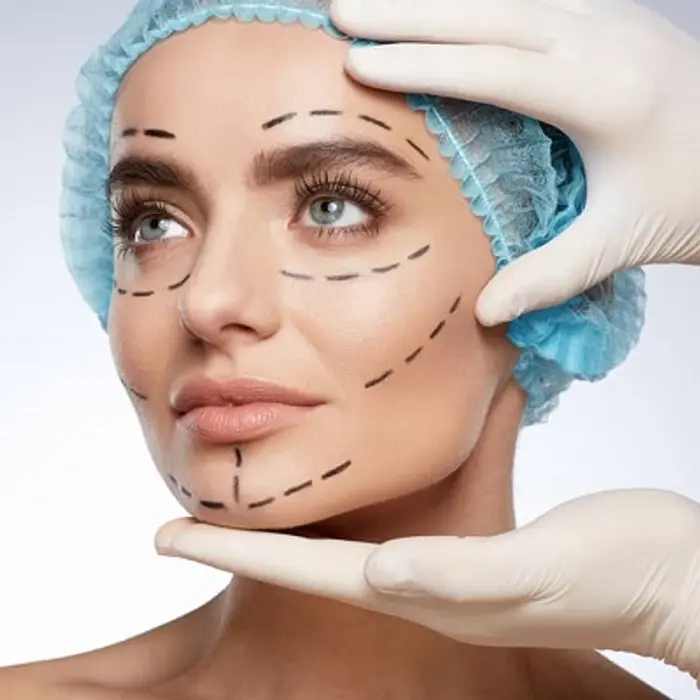
Every face is unique, and so is every buccal fat removal plan. The best surgeons do not rely on a “one-size-fits-all” approach. Instead, they tailor the procedure based on the patient’s facial structure, aesthetic goals, and overall health. During the evaluation, the surgeon should assess cheek volume, jawline definition, and how the fat removal will affect long-term facial balance.
6. Post-Surgery Care and Support
The quality of aftercare is just as important as the surgery itself. A responsible surgeon will provide detailed post-operative instructions, follow-up appointments, and guidance during the recovery period. Proper aftercare ensures smoother healing, reduces the risk of complications, and helps maintain optimal results.
What to Expect During Buccal Fat Removal in Muscat
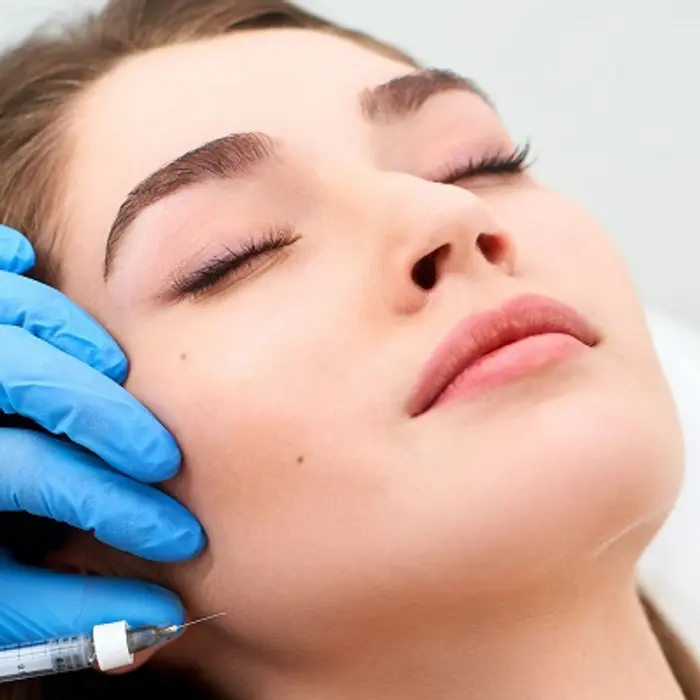
The buccal fat removal procedure typically begins with local anesthesia to numb the area. The surgeon then makes a small incision inside the cheek to access and remove a portion of the fat pad. Once the desired amount is removed, the incision is closed with dissolvable stitches. Since the cut is internal, there are no external scars.
Most patients can return to normal activities within a few days, though mild swelling and tenderness are common for a week or two. The final results become more noticeable once the swelling subsides, revealing a more sculpted and defined facial contour.
Recovery time may vary from one individual to another, depending on factors such as overall health, adherence to post-operative care, and the extent of fat removal. Following the surgeon’s instructions regarding diet, oral hygiene, and activity restrictions helps ensure the best outcome.
Questions to Ask During Your Consultation
To make an informed decision, patients should prepare a list of questions to ask during their initial consultation. Here are some suggestions:
How many buccal fat removal procedures have you performed?
What kind of anesthesia will be used?
Can I see before-and-after photos of previous patients?
What are the possible risks or side effects?
How long will recovery take?
What results can I realistically expect?
Asking these questions helps gauge the surgeon’s experience, communication style, and commitment to patient safety.
Recognizing Red Flags
While there are many reputable cosmetic surgeons in Muscat, it’s still important to stay cautious. Some warning signs of an unqualified or unreliable practitioner include:
Unrealistically low prices or “too good to be true” offers
Lack of proper certification or unclear credentials
Pressure to book surgery immediately without proper consultation
Refusal to discuss potential risks or complications
Choosing a surgeon should never be based solely on cost or convenience. Prioritize quality, safety, and experience above all else.
Achieving the Best Results
The outcome of buccal fat removal depends not only on the surgeon’s skill but also on the patient’s lifestyle and post-surgery care. Maintaining a stable weight, following a balanced diet, and avoiding smoking can all contribute to lasting results. Additionally, selecting a surgeon who values natural-looking outcomes ensures the face retains its youthful and harmonious appearance over time.
FAQs About Buccal Fat Removal in Muscat
1. Is buccal fat removal permanent?
Yes, the results of buccal fat removal are generally permanent since the fat pads removed do not grow back. However, significant weight changes or aging can subtly affect the facial appearance over time.
2. How long does it take to recover from the procedure?
Most patients recover within one to two weeks. Swelling usually subsides gradually, and normal activities can be resumed after a few days, depending on individual healing speed.
3. Will there be any visible scars after buccal fat removal?
No, the incisions are made inside the mouth, so there are no visible external scars. The internal stitches dissolve naturally during the healing process.
4. Is buccal fat removal suitable for everyone?
Not necessarily. The procedure is best for individuals with fuller cheeks who want a slimmer, more defined look. Those with naturally thin faces or who may experience facial volume loss with age might not be good candidates.
5. Are the results of buccal fat removal immediate?
Initial changes are visible once swelling begins to subside, typically within a few weeks. The final results become more apparent after two to three months, as the cheeks settle into their new contour.
6. What are the potential risks of buccal fat removal?
Like any surgical procedure, buccal fat removal carries some risks, including infection, asymmetry, or nerve injury. However, these risks are minimal when performed by an experienced, qualified surgeon.
Final Thoughts
Choosing a qualified surgeon for buccal fat removal in Muscat is an important decision that significantly influences both the safety and success of the procedure. Patients should take their time researching credentials, scheduling consultations, and evaluating communication and care quality. By selecting a knowledgeable and experienced professional, individuals can confidently achieve the refined, contoured facial appearance they desire—safely and beautifully.


;)