Enfield Royal Clinic Oman

 Home
Home  About Enfield Royal Clinic Oman
  Treatments
  Make An Enquiry





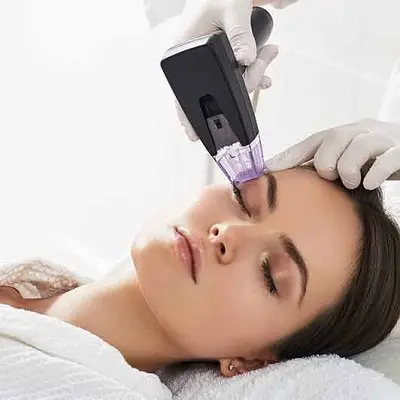
Ideal Candidates for Laser Skin Resurfacing Treatments
Posted On Oct 22, 2025Laser Skin Resurfacing rejuvenates skin by reducing wrinkles, scars, and sun damage. Achieve smoother, younger-looking skin with minimal downtime.
In recent years, laser skin resurfacing has become one of the most sought-after cosmetic procedures for people looking to rejuvenate their skin and achieve a smoother, more youthful appearance. Skincare awareness and aesthetic treatments are rapidly evolving, many individuals are exploring the Best Laser Skin Resurfacing in Oman options to address issues like wrinkles, pigmentation, and scars.
But while this treatment offers transformative results, it’s not suitable for everyone. Understanding who makes an ideal candidate for laser resurfacing can help individuals make informed decisions about their skincare journey.
Understanding Laser Skin Resurfacing
Laser skin resurfacing is a non-surgical procedure that uses concentrated beams of light to target and remove damaged skin layers. It works by stimulating collagen production—the protein responsible for skin elasticity and firmness. This process helps smooth fine lines, reduce scars, and improve overall skin tone and texture.
There are two main types of lasers commonly used in these treatments: ablative and non-ablative. Ablative lasers remove the outermost layer of skin, making them effective for deeper wrinkles and more pronounced imperfections. Non-ablative lasers, on the other hand, target deeper layers of skin without removing surface layers, offering a gentler approach with minimal downtime.
In Oman, laser skin resurfacing is performed using advanced technology that adapts to different skin tones and concerns, ensuring effective yet safe results.
Who Is an Ideal Candidate for Laser Skin Resurfacing?
While many people can benefit from laser treatments, the best results are achieved when the patient’s skin condition, lifestyle, and expectations align with the procedure’s capabilities. Below are the qualities and conditions that typically define an ideal candidate:
1. Individuals with Visible Signs of Aging
People experiencing early to moderate signs of aging—such as fine lines, wrinkles, and sagging skin—are often excellent candidates. Laser skin resurfacing effectively smooths out these lines by promoting new collagen and elastin formation. It can rejuvenate the face, neck, and even hands, making the skin appear fresher and more youthful.
2. Those with Sun-Damaged Skin
Prolonged exposure to the sun, common in Oman’s warm climate, often leads to sunspots, uneven pigmentation, and rough skin texture. Laser resurfacing helps repair this damage by gently removing affected layers and encouraging cell regeneration, leaving the skin brighter and more even-toned.
3. People with Acne Scars or Minor Skin Imperfections
Laser skin resurfacing is highly effective in minimizing the appearance of acne scars, enlarged pores, and other minor textural irregularities. By resurfacing the outer layer of skin and promoting collagen growth, it helps achieve a smoother, more refined complexion.
4. Those Seeking a Non-Surgical Rejuvenation
Not everyone is comfortable undergoing invasive cosmetic procedures. Laser resurfacing provides a non-surgical alternative with impressive results. Ideal candidates are those who want to rejuvenate their skin’s appearance without the risks or extended downtime associated with surgical facelifts.
5. Individuals with Realistic Expectations
A key aspect of being an ideal candidate is understanding what the treatment can and cannot do. Laser skin resurfacing delivers noticeable improvements, but it doesn’t completely eliminate deep wrinkles or stop aging altogether. People who have realistic expectations and commit to proper aftercare tend to achieve the best and most satisfying results.
6. People with Healthy Skin and Lifestyle
Healthy skin responds better to treatment. Those who maintain a balanced diet, stay hydrated, and avoid smoking usually see faster healing and longer-lasting results. Individuals with active skin infections, open wounds, or certain medical conditions affecting the skin may need to postpone treatment until the skin is in optimal condition.
7. Patients with Lighter to Medium Skin Tones
While modern lasers are designed to be safer for all skin tones, traditionally, lighter skin tones respond better to certain laser types, reducing the risk of pigmentation changes. However, in Oman, professionals often use customized laser technologies suitable for different skin tones to ensure safety and effectiveness.
Who May Not Be a Good Candidate?
While laser skin resurfacing offers outstanding benefits, it’s not suitable for everyone. The following groups may not be ideal candidates:
Pregnant or breastfeeding women, since hormonal changes can affect healing and pigmentation.
Individuals with active acne or infections, as the treatment could worsen inflammation.
People with very dark skin tones, depending on the laser type used, since they may be more prone to hyperpigmentation.
Those taking certain medications, such as isotretinoin, which can interfere with healing.
Individuals with unrealistic expectations, expecting instant or permanent results without proper aftercare.
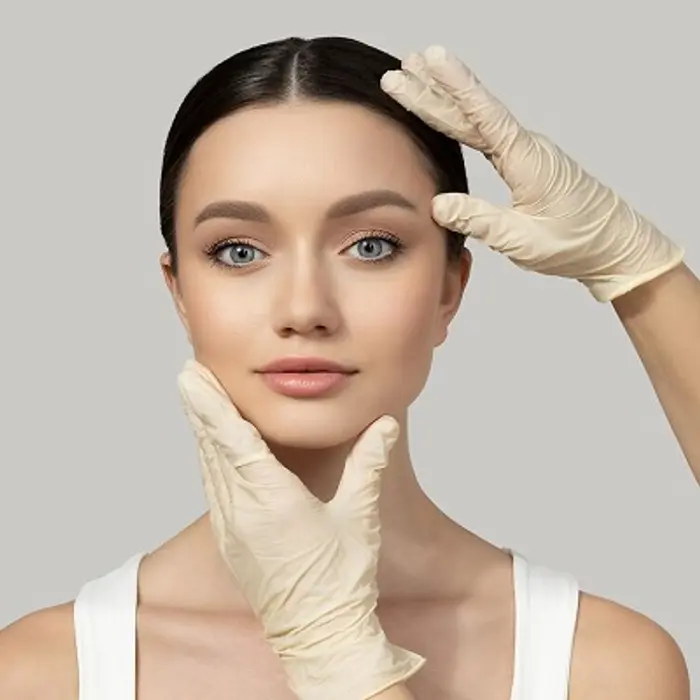
A detailed consultation with a qualified skincare professional helps determine whether someone is a suitable candidate for the treatment and which laser technology would work best for their unique skin type.
Preparing for Laser Skin Resurfacing
Preparation plays a vital role in achieving the best possible results. Candidates are often advised to follow a pre-treatment routine that may include:
Avoiding direct sun exposure for several weeks before the session.
Stopping the use of certain skincare products, especially those with retinoids or acids.
Staying hydrated and maintaining a healthy skincare regimen.
Discussing any medications or supplements with the provider.
Proper preparation helps minimize risks and ensures the skin is ready for the treatment process.
Recovery and Aftercare Tips
After the procedure, the skin may feel warm, slightly swollen, and red—similar to a mild sunburn. Recovery time depends on the type of laser used. Non-ablative treatments have minimal downtime, while ablative treatments may require a few days to a couple of weeks for full healing.
Key aftercare steps include:
Using gentle cleansers and moisturizers recommended by the skincare specialist.
Avoiding direct sunlight and applying sunscreen daily.
Not picking or scratching peeling skin to prevent scarring.
Keeping the skin hydrated to promote faster recovery.
When done correctly, laser resurfacing can deliver long-lasting rejuvenation, leaving the skin looking radiant and refreshed.
Benefits of Choosing the Best Laser Skin Resurfacing in Oman
Opting for the best laser skin resurfacing in Oman ensures that patients receive treatment tailored to their unique skin concerns and tone. Advanced laser technologies available in the region provide customized settings for precision, comfort, and safety.
Key benefits include:
Smoother, more even-toned skin.
Significant reduction in wrinkles and scars.
Minimal downtime compared to traditional procedures.
Boosted confidence and enhanced appearance.
Oman’s growing aesthetic industry has made high-quality laser treatments more accessible, allowing individuals to achieve professional-level results with world-class technology.
FAQs About the Best Laser Skin Resurfacing in Oman
1. How long does it take to see results?
Most patients start noticing visible improvements within a week or two, with full results becoming more noticeable after several weeks as collagen production continues.
2. Is the procedure painful?
Discomfort is minimal. A numbing cream or local anesthetic is typically applied before the procedure to ensure a comfortable experience.
3. How many sessions are required?
This varies depending on the skin condition and type of laser used. Some people achieve their desired results after one session, while others may need a few spaced-out treatments.
4. Are there any side effects?
Mild redness, swelling, or flaking can occur after treatment, but these effects are temporary and usually subside within days.
5. Can all skin tones undergo laser resurfacing?
Modern laser technologies are designed to treat a wide range of skin tones safely. However, consultation is essential to select the right laser type for each individual.
6. How long do the results last?
Results can last for several years with proper skincare and sun protection. Maintenance treatments may help prolong the effects.
Conclusion
Choosing the best laser skin resurfacing in Oman can be a transformative step toward achieving youthful, radiant, and healthy-looking skin. Ideal candidates are those who understand their skin concerns, maintain realistic expectations, and are committed to proper care before and after the procedure.
Whether it’s reducing wrinkles, improving scars, or enhancing overall texture, laser resurfacing remains one of the most effective non-surgical options for skin rejuvenation. With the right guidance, preparation, and aftercare, individuals can enjoy smoother, more luminous skin that reflects confidence and vitality.
;)