Enfield Royal Clinic Oman

 Home
Home  About Enfield Royal Clinic Oman
  Treatments
  Make An Enquiry





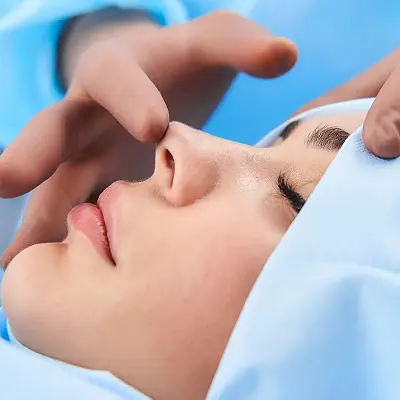
Is Rhinoplasty Painful? Common Questions Answered
Posted On Jun 1, 2026Discover rhinoplasty surgery to reshape your nose, improve breathing, and enhance facial balance with safe, expert care and results.
Rhinoplasty, commonly known as a nose reshaping procedure, is one of the most sought-after cosmetic and functional surgeries worldwide. Individuals considering Rhinoplasty in Muscat often have one major concern before making a decision: Is rhinoplasty painful? While it is natural to worry about discomfort during and after surgery, understanding the procedure, recovery process, and pain management options can help ease concerns and create realistic expectations.
This article answers common questions about rhinoplasty, including what patients can expect before, during, and after the procedure, along with important insights into recovery and results.
Understanding Rhinoplasty
Rhinoplasty is a surgical procedure designed to improve the appearance, structure, or function of the nose. Some people choose it for cosmetic reasons, such as refining the nose shape or size, while others undergo rhinoplasty to correct breathing difficulties, injuries, or congenital issues.
Advancements in surgical techniques have made rhinoplasty safer and more comfortable than ever before. Modern procedures focus on minimizing trauma to surrounding tissues, which helps reduce swelling, bruising, and discomfort during recovery.
Is Rhinoplasty Painful During the Procedure?
One of the most reassuring facts for patients considering Rhinoplasty in Muscat is that they do not feel pain during the surgery itself. Rhinoplasty is typically performed under general anesthesia or, in some cases, local anesthesia with sedation.
During the procedure, patients remain asleep or deeply relaxed, ensuring they are completely comfortable. The surgical team carefully monitors the patient throughout the operation, making safety and comfort a top priority.
Because anesthesia blocks pain sensations, there is no awareness of the surgical process while it is being performed.
What Does Rhinoplasty Feel Like After Surgery?
After the anesthesia wears off, patients may experience mild to moderate discomfort rather than severe pain. Most individuals describe the sensation as pressure, congestion, or tenderness around the nose and face rather than sharp pain.
Common post-surgical experiences include:
- Nasal congestion due to swelling
- Mild facial soreness
- A feeling of pressure around the eyes and nose
- Temporary headaches
- Mild bruising and swelling
Pain levels vary from person to person, but many patients are pleasantly surprised by how manageable the recovery process is.
How Is Pain Managed After Rhinoplasty?
Pain management is an important part of the recovery process. Surgeons typically provide detailed aftercare instructions and may recommend medications to help control discomfort.
Pain management strategies often include:
Prescription or Over-the-Counter Medication
Most patients find that prescribed pain relievers are sufficient during the first few days after surgery. As healing progresses, many transition to over-the-counter options if needed.
Cold Compresses
Applying cold compresses around the eyes and cheeks can help reduce swelling and provide relief. However, direct pressure should never be applied to the nose unless specifically advised.
Proper Rest
Resting with the head elevated helps minimize swelling and supports healing. Many patients notice reduced discomfort when they avoid lying flat.
Following Recovery Guidelines
Avoiding strenuous activities and following all post-operative instructions can significantly improve comfort and reduce the risk of complications.
How Long Does the Discomfort Last?
One of the most frequently asked questions regarding Rhinoplasty in Muscat is how long recovery discomfort lasts.
In most cases:
- The first 24 to 72 hours involve the most noticeable swelling and discomfort.
- Significant improvement is usually seen within the first week.
- Most patients return to normal daily activities within one to two weeks.
- Minor swelling may continue for several months, although it is generally not painful.
The majority of patients report that discomfort decreases rapidly after the first few days and becomes much easier to manage as healing progresses.
What Causes More Discomfort: Surgery or Nasal Congestion?
Interestingly, many rhinoplasty patients report that nasal congestion is more bothersome than actual pain.
Because swelling temporarily blocks portions of the nasal passages, breathing through the nose may feel difficult during the initial recovery phase. This sensation can resemble having a severe cold.
Fortunately, congestion gradually improves as swelling decreases. Following aftercare recommendations can help make this period more manageable.
Factors That Can Influence Pain Levels
Not everyone experiences the same recovery journey. Several factors can influence how much discomfort a patient feels after rhinoplasty.
Type of Rhinoplasty Performed
More extensive structural changes may result in slightly longer recovery times compared to minor cosmetic adjustments.
Individual Pain Tolerance
Every individual responds differently to surgery and healing. What feels mildly uncomfortable to one person may feel more intense to another.
Overall Health
Healthy individuals often experience smoother recoveries and faster healing.
Compliance with Aftercare Instructions
Patients who carefully follow recovery guidelines typically experience fewer complications and greater comfort during the healing process.
Tips for a More Comfortable Recovery
Patients undergoing Rhinoplasty in Muscat can take several steps to improve their recovery experience.
Stay Hydrated
Drinking plenty of water supports healing and helps the body recover more efficiently.
Avoid Smoking
Smoking can slow healing and increase the risk of complications.
Eat Nutritious Foods
A balanced diet rich in vitamins and minerals supports tissue repair and immune function.
Protect the Nose
Avoid accidental bumps or pressure on the nose during the healing period.
Be Patient
Healing takes time, and gradual improvements are part of the normal recovery process.
When Should Patients Be Concerned About Pain?
While mild discomfort is expected, severe or worsening pain should not be ignored. Patients should contact their healthcare provider if they experience:
- Severe pain that does not improve with medication
- Excessive bleeding
- Signs of infection
- Sudden swelling that worsens significantly
- Fever or unusual symptoms
Prompt medical attention can help address potential issues and ensure a safe recovery.
Are the Results Worth the Recovery Process?
For many individuals, the answer is yes. Patients often find that the temporary discomfort associated with rhinoplasty is outweighed by the long-term benefits.
Potential benefits include:
- Improved facial harmony
- Enhanced self-confidence
- Better nasal function
- Easier breathing
- Correction of structural abnormalities
Since most discomfort is temporary and manageable, many patients feel that the recovery process is well worth the outcome.
Final Thoughts
For those considering Rhinoplasty in Muscat, understanding the reality of pain and recovery can help reduce anxiety and support informed decision-making. Rhinoplasty is generally not considered a highly painful procedure. Most patients experience mild to moderate discomfort, swelling, and congestion rather than severe pain.
With modern surgical techniques, proper pain management, and adherence to post-operative instructions, recovery is often smoother than many people expect. While every individual's experience is unique, the majority of patients find that the temporary discomfort quickly fades, allowing them to enjoy the long-term benefits of their new appearance and improved nasal function.
FAQs
1. Is rhinoplasty more painful than other cosmetic surgeries?
Most patients report that rhinoplasty involves less pain than they initially expected. Discomfort is usually mild to moderate and often described as pressure or congestion rather than intense pain.
2. How many days does pain last after rhinoplasty?
The most noticeable discomfort typically occurs during the first three days. Significant improvement is usually experienced within the first week.
3. Will I be awake during rhinoplasty surgery?
Most rhinoplasty procedures are performed under general anesthesia, meaning patients are asleep and do not feel any pain during surgery.
4. Can I breathe normally after rhinoplasty?
Breathing may feel difficult initially because of swelling and congestion. This is temporary and generally improves as healing progresses.
5. Is swelling more uncomfortable than pain after rhinoplasty?
Many patients report that swelling and nasal congestion are more bothersome than actual pain during recovery.
6. How can I reduce discomfort after rhinoplasty?
Following post-operative instructions, taking prescribed medications, resting with the head elevated, staying hydrated, and avoiding strenuous activities can help make recovery more comfortable.
Read More About Rhinoplasty: https://www.citymapia.com/muscat/enfield-royal-clinic-oman/blog/rhinoplasty-surgery-26403






;)