Enfield Royal Clinic Oman

 Home
Home  About Enfield Royal Clinic Oman
  Treatments
  Make An Enquiry





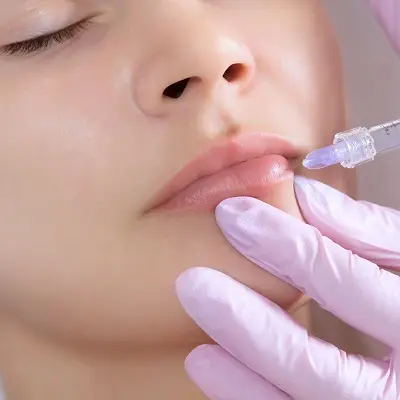
Lip Filler Injections: How Allergic Reactions Are Handled
Posted On Nov 13, 2025Enhance your natural beauty with safe and professional lip filler injections. Add volume, definition, and balance to your lips with expert aesthetic treatments tailored to you
Lip filler injections have become a popular cosmetic treatment, allowing individuals to achieve fuller, well-defined lips with minimal downtime. While these procedures are generally safe, some patients may worry about allergic reactions. Understanding how allergic reactions occur, how to prevent them, and how they are managed is essential for anyone considering Lip Filler Injections in Muscat. This guide provides a comprehensive look at allergic reactions related to lip fillers and how they are handled to ensure a safe and satisfying experience.
Understanding Allergic Reactions in Lip Filler Injections
An allergic reaction occurs when the body’s immune system mistakenly identifies a substance as harmful and triggers an immune response. In the case of lip filler injections, these reactions are extremely rare, particularly with hyaluronic acid-based fillers, which are the most commonly used in cosmetic procedures.
Typical allergic reactions may present as:
Prolonged swelling beyond the normal post-injection response
Redness or rash around the injection site
Itching or hives
Tenderness or discomfort
Rare systemic reactions such as difficulty breathing (extremely uncommon)
Differentiating between normal post-procedure swelling and a true allergic reaction is crucial for appropriate care.
Types of Allergic Reactions
Allergic reactions to lip fillers can range from mild to severe:
Mild Local Reactions: Mild swelling, redness, or tenderness that resolves within a few days.
Moderate Reactions: Persistent redness, itching, or hives that may require oral or topical medications.
Severe Reactions: Systemic reactions like anaphylaxis, which are very rare but require immediate medical attention.
Most reactions are mild and temporary, particularly when using modern biocompatible fillers.
Preventing Allergic Reactions
Prevention is the first step in ensuring safe lip filler injections. Steps include:
Medical History Review: Patients should disclose any allergies, prior reactions to cosmetic treatments, medications, or medical conditions.
Patch Testing: For those with a history of sensitivity, a small test injection may be considered, though it is rarely needed for hyaluronic acid fillers.
Use of Safe Fillers: Hyaluronic acid fillers are highly biocompatible and have a very low risk of causing allergic reactions.
Single Product Sessions: Avoiding multiple filler products in one session reduces the potential for reactions.
A careful consultation with a qualified injector helps reduce the likelihood of allergic responses.
Recognizing Signs of an Allergic Reaction
Knowing what to watch for after lip filler injections is important for safety:
Swelling or redness that persists longer than a few days
Severe itching, rash, or hives around the lips
Tenderness that increases instead of improving
Uncommon but serious signs like difficulty breathing, dizziness, or swelling in other parts of the body
Early recognition allows prompt intervention and prevents complications.
How Allergic Reactions Are Handled
Qualified injectors follow specific protocols when managing allergic reactions:
Mild Reactions: These may be monitored while using ice packs, antihistamines, or mild topical treatments to relieve discomfort.
Moderate Reactions: Oral antihistamines or anti-inflammatory medications may be prescribed.
Severe Reactions: In rare cases of anaphylaxis, emergency medical care is necessary, including administration of epinephrine.
Filler Adjustment or Removal: Hyaluronic acid fillers can be dissolved using hyaluronidase if needed to reduce allergic response or correct cosmetic concerns.
Most allergic reactions are mild and resolve quickly when properly monitored and treated.
Aftercare to Minimize Allergic Risks
Proper aftercare plays a key role in preventing complications:
Monitor the Injection Site: Check for prolonged redness, swelling, or unusual itching.
Avoid Irritants: Refrain from using harsh skincare products or excessive lip movement for the first few days.
Follow Medical Advice: Take medications as prescribed and attend follow-up appointments if needed.
Stay Hydrated and Rested: Good overall health supports tissue recovery and helps reduce risks.
Following aftercare instructions ensures that the filler integrates properly and reduces the likelihood of allergic complications.
FAQs About Allergic Reactions and Lip Filler Injections in Muscat
1. How common are allergic reactions to lip fillers?
Allergic reactions are very rare, especially with hyaluronic acid fillers, which are biocompatible.
2. Can someone with no history of allergies still react to fillers?
While uncommon, anyone can have a reaction, which is why monitoring after the procedure is important.
3. How soon do allergic reactions appear?
Most reactions, if they occur, appear within 24–48 hours after the procedure. Delayed reactions can occur days to weeks later but are extremely rare.
4. Can fillers be removed if a reaction occurs?
Yes, hyaluronic acid fillers can be dissolved using hyaluronidase to address cosmetic or allergic concerns.
5. What should I do if I suspect a reaction?
Contact your injector immediately. Severe symptoms, such as difficulty breathing, require urgent medical attention.
6. Are there fillers with zero risk of allergies?
No cosmetic filler is completely risk-free, but hyaluronic acid fillers have the lowest incidence of allergic reactions due to their compatibility with human tissue.
Conclusion
Lip filler injections in Muscat are widely considered safe, with a very low incidence of allergic reactions, particularly when using modern hyaluronic acid-based products. Understanding the types of reactions, recognizing early warning signs, and knowing how they are managed empowers patients to make informed decisions. Careful consultation, appropriate filler selection, and diligent aftercare ensure a smooth, safe, and satisfying experience. With proper preparation and awareness, patients can confidently enjoy enhanced, natural-looking lips while minimizing potential risks.


;)