Enfield Royal Clinic Oman

 Home
Home  About Enfield Royal Clinic Oman
  Treatments
  Make An Enquiry





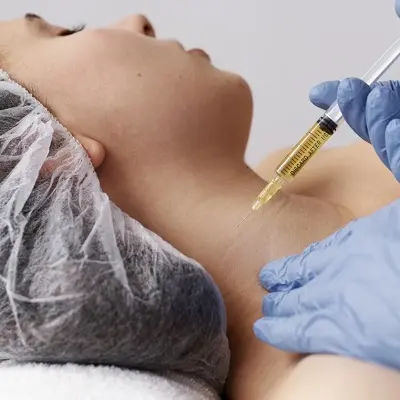
Lipoma Treatment: Comparing Surgical and Non-Surgical Methods
Posted On Mar 27, 2026Curious to explore the magic of Lipoma Treatment in Muscat? let's embark on this journey together and unveil the amazement that awaits us!
Lipomas are among the most common types of benign soft tissue growths found in the human body. These slow-growing lumps are composed of fat cells and are usually harmless. While they are not cancerous and often do not cause serious medical concerns, many individuals choose to have them removed for cosmetic reasons or if they become uncomfortable.
For those exploring Lipoma Treatment in Oman, understanding the available treatment options is essential. Both surgical and non-surgical methods exist, each with its own benefits and limitations. This article explores these approaches in detail to help readers make informed decisions.
What Is a Lipoma?
A lipoma is a non-cancerous tumor made up of fat tissue that develops just beneath the skin. It typically feels soft, movable, and painless when touched. Lipomas can appear anywhere on the body but are most commonly found on the neck, shoulders, back, arms, and thighs.
Most lipomas grow slowly over time and remain small. However, in some cases, they can increase in size and cause discomfort, especially if they press on nearby nerves or muscles.
Why Consider Lipoma Treatment?
Although lipomas are generally harmless, there are several reasons why treatment might be considered:
- Cosmetic concerns: Visible lumps can affect appearance and self-confidence
- Discomfort or pain: Large lipomas may press on nerves or tissues
- Restricted movement: Lipomas near joints can limit flexibility
- Uncertainty about diagnosis: Some individuals prefer removal to rule out other conditions
In Oman, individuals often seek medical advice when a lump changes in size, becomes painful, or raises concern.
Surgical Lipoma Treatment
Surgical removal is the most common and effective method for treating lipomas. It involves physically excising the fatty lump from under the skin.
How Surgical Removal Works
During the procedure, a healthcare professional makes a small incision over the lipoma, carefully removes the growth, and then closes the incision with stitches. The process is usually straightforward and performed under local anesthesia.
Benefits of Surgical Treatment
- Complete removal: Surgical excision removes the entire lipoma, reducing the chance of recurrence
- Quick procedure: Most surgeries are completed within a short time
- Permanent solution: Once removed, the lipoma typically does not return in the same spot
- Suitable for large lipomas: Effective for lipomas of varying sizes
Considerations and Recovery
After surgery, patients may experience mild swelling, bruising, or discomfort in the treated area. These symptoms usually subside within a few days to weeks.
Recovery tips include:
- Keeping the wound clean and dry
- Avoiding strenuous activities for a short period
- Following post-care instructions carefully
A small scar may remain, depending on the size of the incision and the location of the lipoma.
Non-Surgical Lipoma Treatment Options
Non-surgical methods are generally less invasive but may not always provide permanent results. These approaches are typically considered for smaller lipomas or for individuals who prefer to avoid surgery.
Steroid Injections
Steroid injections may help shrink the size of a lipoma. The medication is injected directly into the lump, which can reduce inflammation and fat cell size.
- Advantages: Non-invasive, minimal recovery time
- Limitations: Does not completely remove the lipoma; multiple sessions may be required
Liposuction
Liposuction is another non-surgical option where fat is removed using a thin tube (cannula) inserted through a small incision.
- Advantages: Less invasive than full surgical excision
- Limitations: May not remove the entire lipoma, leading to possible recurrence
Observation and Monitoring
In some cases, no treatment is required. If the lipoma is small, painless, and not growing, a doctor may recommend simply monitoring it over time.
- Advantages: No medical intervention required
- Limitations: Does not remove the lipoma; only suitable when there are no symptoms
Surgical vs Non-Surgical Lipoma Treatment: Key Differences
Choosing between surgical and non-surgical methods depends on several factors, including the size, location, and symptoms of the lipoma.
Effectiveness
- Surgical treatment offers the highest chance of complete removal
- Non-surgical methods may reduce size but may not eliminate the lipoma entirely
Invasiveness
- Surgery involves an incision and minor procedure
- Non-surgical options are less invasive, often involving injections or minimal incisions
Recovery Time
- Surgery may require a short recovery period
- Non-surgical treatments typically involve minimal downtime
Risk of Recurrence
- Surgical removal has a lower chance of recurrence
- Non-surgical methods may allow the lipoma to return over time
Scarring
- Surgery may leave a small scar
- Non-surgical methods usually result in little to no visible scarring
When Should Lipoma Treatment Be Considered?
Not all lipomas require treatment. However, medical attention is recommended in the following situations:
- The lump is growing rapidly
- Pain or discomfort develops
- The lipoma interferes with daily activities
- There are changes in texture or appearance
- There is uncertainty about whether the lump is a lipoma
In Oman, consulting a qualified healthcare professional ensures proper diagnosis and appropriate treatment planning.
Lipoma Treatment in Oman: What to Expect
In Oman, individuals seeking lipoma treatment can access a range of medical services. Treatment typically begins with a physical examination, followed by imaging tests such as ultrasound if necessary.
The treatment plan will depend on the size, location, and nature of the lipoma. Medical professionals may recommend surgical removal or suggest monitoring if the lipoma is harmless.
The country’s healthcare system offers modern medical facilities and experienced professionals, ensuring that patients receive safe and effective care.
Advantages of Seeking Professional Treatment
Seeking professional care for lipoma treatment provides several advantages:
- Accurate diagnosis and evaluation
- Safe and sterile treatment procedures
- Reduced risk of complications
- Tailored treatment plans based on individual needs
- Proper aftercare guidance
Frequently Asked Questions (FAQs)
1. Are lipomas dangerous?
No, lipomas are benign (non-cancerous) growths and are generally harmless. However, medical evaluation is recommended to confirm the diagnosis.
2. Can a lipoma go away on its own?
Lipomas typically do not disappear without treatment. They may remain the same size or grow slowly over time.
3. Is lipoma surgery painful?
The procedure is usually performed under local anesthesia, so patients do not feel pain during the surgery. Mild discomfort may occur afterward.
4. Can lipomas come back after removal?
If completely removed through surgery, the likelihood of recurrence in the same area is low. However, new lipomas can develop elsewhere.
5. Are non-surgical treatments effective?
Non-surgical treatments can reduce the size of a lipoma but may not remove it entirely. They are often considered for smaller or less problematic cases.
6. How long does recovery take after surgical removal?
Recovery time is generally short. Most individuals can return to normal activities within a few days, depending on the size and location of the lipoma.
Lipomas are common and usually harmless, but treatment can improve comfort and appearance when needed. Understanding the differences between surgical and non-surgical options helps individuals choose the most suitable approach based on their specific condition and preferences. For those exploring Lipoma Treatment in Oman, consulting a medical professional ensures safe, effective, and personalized care.
Read More About Lipoma Treatment: https://www.citymapia.com/muscat/enfield-royal-clinic-oman/blog/lipoma-treatment-techniques-23999


;)