Enfield Royal Clinic Oman

 Home
Home  About Enfield Royal Clinic Oman
  Treatments
  Make An Enquiry





Lipoma Treatment Techniques That Minimize Downtime
Posted On Mar 27, 2026Curious to explore the magic of Lipoma Treatment in Muscat? let's embark on this journey together and unveil the amazement that awaits us!
Lipomas are among the most common benign (non-cancerous) soft tissue growths that can appear anywhere on the body. Although generally harmless, they can sometimes become bothersome due to their size, location, or cosmetic concerns. For individuals seeking Lipoma Treatment in Muscat, modern medical advancements now offer several effective options that focus on minimizing downtime while ensuring safe and precise removal.
This article explores the most efficient treatment techniques available today, helping readers understand their choices and what to expect during recovery.
Understanding Lipomas and When Treatment Is Needed
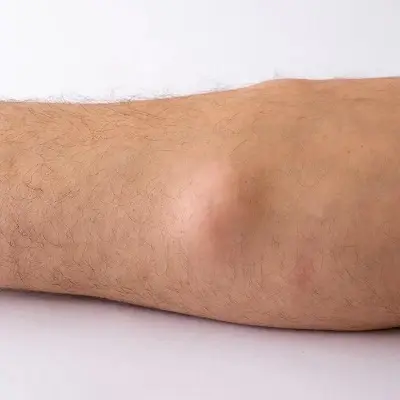
A lipoma is a soft, fatty lump that grows slowly under the skin. It is typically painless and movable when touched. These growths can appear on the neck, shoulders, back, arms, or thighs.
In most cases, lipomas do not require treatment. However, individuals may consider removal if:
- The lipoma is growing in size
- It causes discomfort or pain
- It interferes with movement
- It becomes aesthetically concerning
- There is uncertainty about its nature
Seeking professional evaluation ensures that the lump is indeed a lipoma and not another type of growth that requires different management.
Minimally Invasive Lipoma Removal Techniques
Modern approaches to Lipoma Treatment in Muscat focus on techniques that reduce recovery time and minimize scarring. These minimally invasive methods are designed to provide effective results with less disruption to daily life.
1. Surgical Excision with Minimal Incision
Surgical excision remains one of the most reliable methods for removing lipomas. However, advancements in technique have made this procedure far less invasive than traditional approaches.
In this method:
- A small incision is made over the lipoma
- The fatty lump is carefully removed
- The incision is closed with sutures
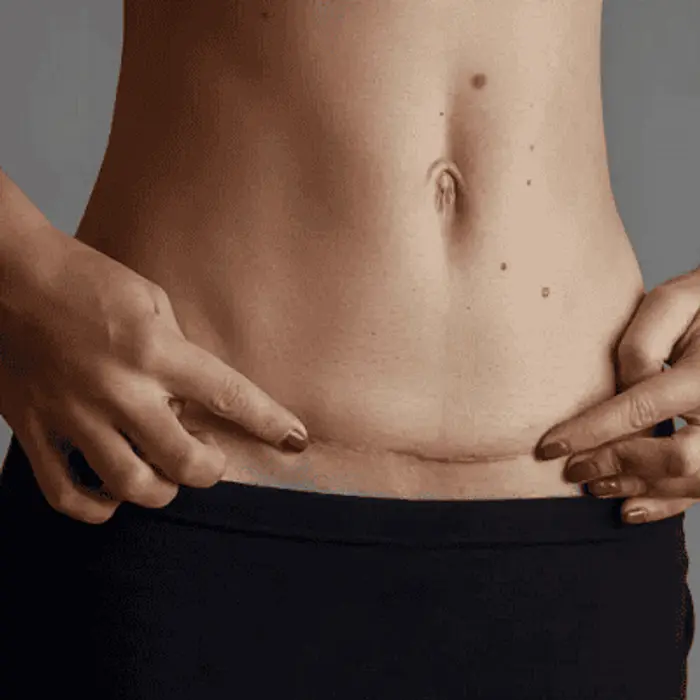
This technique allows for complete removal, reducing the chances of recurrence. With skilled precision, the incision is kept as small as possible, which promotes faster healing and minimal scarring.
2. Liposuction-Based Lipoma Removal
Liposuction is another effective option for treating certain types of lipomas, especially those that are soft and have a fluid-like consistency.
During the procedure:
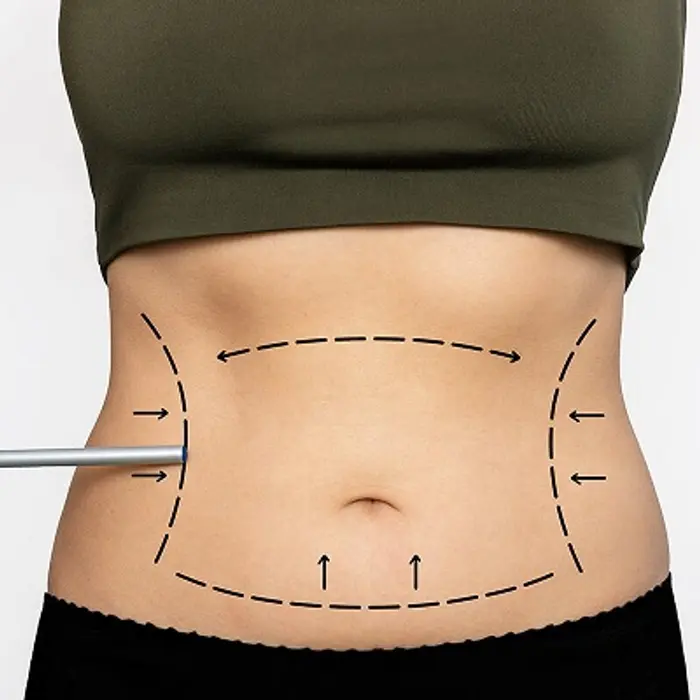
- A small tube (cannula) is inserted through a tiny incision
- The fatty tissue is broken down and suctioned out
- The surrounding tissue remains largely undisturbed
This method is particularly beneficial for patients who prioritize minimal scarring and faster recovery. However, it may not be suitable for all types of lipomas, especially those that are firm or deeply embedded.
3. Laser-Assisted Lipoma Removal
Laser-assisted techniques are becoming increasingly popular in cosmetic and minor surgical procedures. In this approach:
- A laser is used to create a precise opening
- The lipoma is carefully extracted or broken down
- The laser may also help seal blood vessels, reducing bleeding
The benefits of this method include reduced bleeding, smaller incisions, and quicker recovery times. It is often chosen by patients who are concerned about post-procedure scarring.
4. Steroid Injections (Non-Surgical Approach)
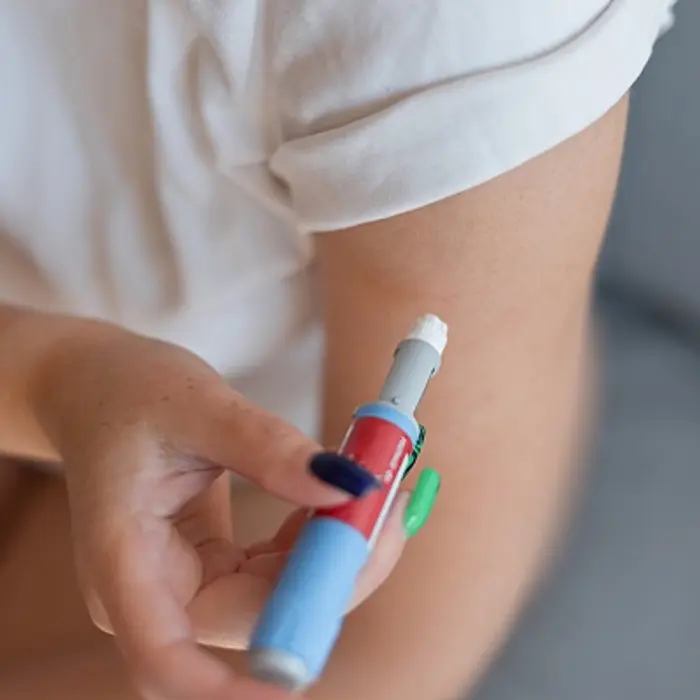
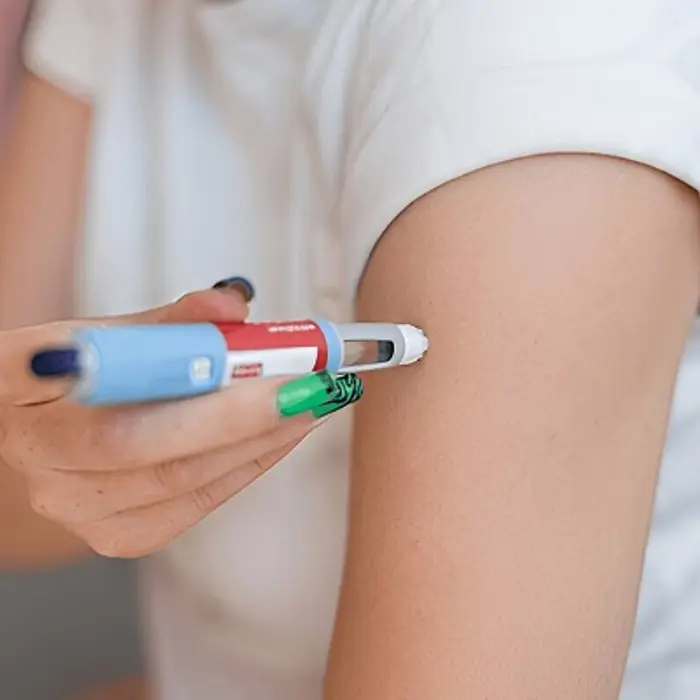
Although not a permanent solution, steroid injections can help shrink certain lipomas. This non-invasive method involves:
- Injecting medication directly into the lipoma
- Gradually reducing the size of the fatty lump
This option is typically recommended for smaller lipomas or for patients who are not suitable candidates for surgery. While it does not completely remove the lipoma, it can provide noticeable improvement with minimal downtime.
Recovery and Downtime Expectations
One of the primary concerns for individuals considering treatment is recovery time. Fortunately, most modern techniques used for Lipoma Treatment in Muscat are designed with minimal downtime in mind.
What to Expect After Treatment
- Mild swelling or bruising in the treated area
- Temporary discomfort that can be managed with medication
- Small bandages or dressings over the incision site
- Sutures (if used) may be removed after several days
Recovery Timeline
- Day 1–3: Rest and avoid strenuous activities
- Day 4–7: Gradual return to normal routine
- 1–2 weeks: Most patients resume full activity
- Several weeks: Complete healing of the treated area
Recovery times may vary depending on the size of the lipoma and the technique used.
Benefits of Choosing Minimally Invasive Techniques
Opting for advanced lipoma removal methods offers several advantages:
- Reduced recovery time
- Minimal scarring
- Lower risk of complications
- Quick return to daily activities
- Improved cosmetic outcomes
These benefits make minimally invasive treatments highly appealing for individuals with busy lifestyles.
Factors to Consider Before Treatment
Before deciding on a treatment approach, several factors should be considered:
- Size and location of the lipoma
- Patient’s overall health
- Number of lipomas present
- Cosmetic preferences
- Medical history and skin sensitivity
A professional evaluation helps determine the most suitable technique tailored to individual needs.
FAQs About Lipoma Treatment
1. Is lipoma removal a painful procedure?
Most lipoma removal procedures are performed under local anesthesia, which minimizes pain during the process. Patients may experience mild discomfort afterward, which is usually manageable with prescribed medication.
2. Can lipomas come back after removal?
In most cases, complete surgical excision prevents recurrence. However, if any part of the lipoma remains, there is a small chance it may return. Minimally invasive techniques are designed to remove the entire growth effectively.
3. How long does it take to recover from lipoma treatment?
Recovery time varies depending on the method used. Most individuals can return to normal activities within a few days to a week after minimally invasive procedures.
4. Are there any risks involved in lipoma removal?
As with any medical procedure, there are some risks, including infection, scarring, or temporary swelling. However, these risks are generally low when performed by a qualified professional.
5. Can lipomas be treated without surgery?
Yes, non-surgical options like steroid injections can help reduce the size of certain lipomas. However, these methods may not eliminate the lipoma completely.
6. Is lipoma treatment safe for all age groups?
Lipoma treatment is generally safe for adults of all ages. The suitability of a particular method depends on the individual’s health condition and the characteristics of the lipoma.
Conclusion
Lipomas, while usually harmless, can become a concern for both medical and cosmetic reasons. Fortunately, modern treatment techniques offer safe, effective, and minimally invasive solutions that significantly reduce downtime.
For individuals seeking Lipoma Treatment in Muscat, a variety of options are available—from surgical excision and liposuction to laser-assisted methods and non-surgical alternatives. Each approach is designed to ensure precision, safety, and a quicker return to daily life.
With proper evaluation and the right treatment plan, patients can achieve excellent results with minimal discomfort and recovery time.
Read More About Lipoma Treatment: https://www.citymapia.com/muscat/enfield-royal-clinic-oman/blog/lipoma-treatment-recovery-23987

;)