Enfield Royal Clinic Oman

 Home
Home  About Enfield Royal Clinic Oman
  Treatments
  Make An Enquiry





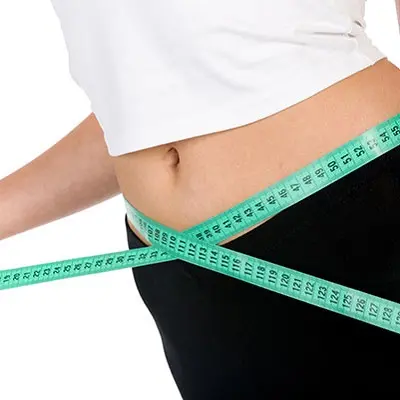
Liposuction Recovery Tips: What to Expect After Surgery
Posted On Oct 29, 2025Discover liposuction: a cosmetic procedure to remove stubborn fat, sculpt your body, and enhance confidence safely and effectively.
Liposuction has become one of the most popular cosmetic procedures for individuals looking to sculpt their bodies and remove stubborn fat deposits. For those considering Liposuction in Muscat, understanding the recovery process is just as important as the procedure itself. Proper post-surgery care can help maximize results, minimize complications, and ensure a smooth healing journey.
Understanding Liposuction Recovery
Recovery from liposuction varies depending on the area treated, the amount of fat removed, and individual health factors. Generally, patients can expect some swelling, bruising, and mild discomfort in the days following the procedure. While liposuction is minimally invasive, it is still a surgical procedure, so patience and proper care are essential.
During the first week, most patients are advised to rest and avoid strenuous activity. Wearing a compression garment as instructed by the surgeon can help reduce swelling and support the newly contoured areas. This garment also aids in shaping the body and improving overall results.
Tips for a Smooth Recovery
1. Follow Post-Operative Instructions
Adhering to post-operative instructions is crucial for a successful recovery. Surgeons typically provide guidelines on wound care, medication, and activity restrictions. It is important to take prescribed pain relievers or antibiotics as directed to prevent discomfort and infection.
Keeping incisions clean and dry is another essential step. Patients should avoid soaking in baths or swimming pools until fully cleared by their surgeon. Gentle care ensures proper healing and reduces the risk of complications.
2. Wear Compression Garments Consistently
Compression garments are a key part of the recovery process after liposuction in Muscat. They help reduce swelling, provide support to the treated areas, and encourage the skin to adapt to the new contours. Most patients are advised to wear these garments for several weeks, gradually reducing usage based on the surgeon’s advice.
Consistency is critical—skipping garment use can prolong swelling and affect the final results. Comfortable clothing underneath the garment can prevent skin irritation.
3. Manage Swelling and Discomfort
Swelling and bruising are common during the first few weeks after liposuction. To minimize discomfort, patients can elevate treated areas when resting and use cold compresses as recommended. Staying hydrated and maintaining a balanced diet rich in vitamins and protein can also support faster healing.
Light walking is encouraged to improve circulation and reduce the risk of blood clots. However, high-impact activities or heavy lifting should be avoided until the body fully recovers.
4. Maintain a Healthy Lifestyle
While liposuction removes fat cells permanently, it does not prevent new fat accumulation. Maintaining a healthy lifestyle with a balanced diet and regular exercise is essential to preserve results. Patients should focus on whole foods, lean proteins, and hydration, while limiting processed foods and sugary drinks.
Adopting a consistent exercise routine once fully healed helps enhance muscle tone and overall body contour, complementing the effects of liposuction.
5. Monitor Your Body Closely
Patients should keep a close eye on any unusual symptoms during recovery. Signs such as excessive swelling, redness, severe pain, or fever could indicate infection or complications. Early intervention can prevent more serious issues and ensure a smooth healing process.
Regular follow-up appointments with the surgeon are essential. These check-ins allow the medical team to monitor progress, remove sutures if necessary, and provide guidance on returning to normal activities.
Timeline: What to Expect After Surgery
Week 1: The initial days involve rest, wearing compression garments, and managing mild pain or swelling. Patients may feel tired and notice bruising in the treated areas.
Weeks 2-4: Swelling begins to subside, and patients can gradually resume light activities. Most people start feeling more comfortable moving around, though strenuous exercise should still be avoided.
Weeks 4-6: Significant improvements in swelling are typically noticeable. Patients may start gentle exercises, and the treated areas begin to show the initial contours of the final results.
Months 2-6: The body continues to heal, and subtle changes in shape become more visible. Swelling continues to decrease, and patients can gradually return to their regular routines and more intense workouts.
Frequently Asked Questions (FAQs)
1. Is liposuction recovery painful?
Mild to moderate discomfort is normal, especially in the first few days. Pain can usually be managed with prescribed medications and rest.
2. When can I return to work after liposuction?
Most patients can return to light work within a few days to a week, depending on the treated areas and individual healing speed.
3. How long should I wear a compression garment?
Compression garments are typically recommended for 4-6 weeks, but the duration may vary depending on the surgeon’s advice and the extent of liposuction.
4. Can I exercise after liposuction?
Light walking is encouraged during early recovery. Strenuous exercise should be avoided for at least 4-6 weeks or until cleared by the surgeon.
5. Will my results be permanent?
Liposuction removes fat cells permanently. However, maintaining a healthy lifestyle is essential to prevent new fat accumulation and preserve the results.
6. How long does it take to see final results?
Final results may take several months to fully appear, as swelling gradually resolves and the body adapts to its new contours.
Conclusion
Recovery from liposuction in Muscat requires patience, proper care, and attention to post-operative guidelines. By following medical advice, wearing compression garments, maintaining a healthy lifestyle, and monitoring healing closely, patients can enjoy a smoother recovery and achieve optimal results. Understanding the recovery timeline and knowing what to expect ensures a safe and successful transformation, making the journey as rewarding as the outcome.



;)