Enfield Royal Clinic Oman

 Home
Home  About Enfield Royal Clinic Oman
  Treatments
  Make An Enquiry





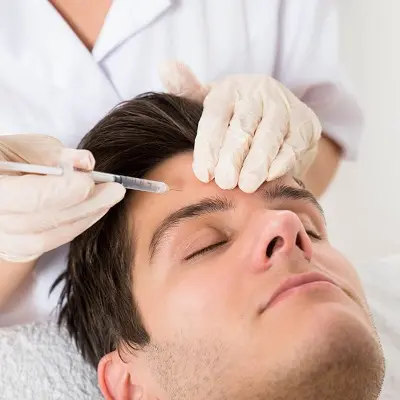
Natural-Looking Results from Hair Transplant: How They’re Achieved
Posted On Nov 19, 2025Restore your hair and confidence with advanced hair transplant solutions. Learn about procedures, benefits, recovery, and expert tips for natural-looking results.
Many people considering a Hair Transplant in Muscat often share the same concern: Will the results look natural? Today’s hair restoration methods have evolved dramatically, allowing transplanted hair to blend seamlessly with existing strands. When done correctly, a modern hair transplant can produce outcomes that are almost impossible to distinguish from natural growth. But how exactly are these natural-looking results achieved? This comprehensive guide breaks down the factors, techniques, and stages involved in creating a realistic and aesthetically pleasing hair transformation.
Understanding how professionals ensure natural outcomes can help individuals feel more confident and informed before deciding on the procedure. From planning to implantation to long-term growth, every step plays a vital role in achieving a final look that feels both authentic and flattering.
Understanding What Makes Hair Look Natural
To appreciate the science behind natural hair transplant results, it’s important to understand what makes hair appear natural in the first place. Human hair does not grow in straight rows or identical patterns. It grows in natural clusters, known as follicular units, which contain one to four hairs each. The direction of growth, density, thickness, and angle all contribute to the appearance of a natural hairline.
Modern hair transplant procedures aim to mimic these patterns. By replicating natural density and direction, specialists can design a result that harmonizes with the person’s face shape, age, and existing hair characteristics.
People seeking a hair transplant in Muscat often choose the procedure for its ability to restore not just hair density but also natural aesthetics.
How Experts Design a Natural Hairline
The hairline is one of the most important elements of a natural-looking hair transplant. A well-designed hairline should be soft, slightly irregular, and customized to the individual. It should complement facial symmetry rather than appear too straight or harsh.
Professionals typically consider:
• Age-appropriate placement
• Natural temple angles
• Forehead proportions
• The patient’s unique hair pattern
• The use of finer hairs at the front for a feathered, softer look
A natural hairline is rarely perfectly straight. Instead, it has gentle curves and imperfections that imitate how real hair grows. Careful attention to this detail helps create a youthful, believable outcome.
Modern Techniques That Support Natural Results
Several advanced methods are used today to ensure that a hair transplant in Muscat results in an outcome that looks genuine. These modern techniques have significantly improved both precision and comfort.
Follicular Unit Extraction (FUE)
This method involves individually extracting hair follicles from the donor area. The small extraction points heal quickly and leave minimal visible marks. FUE allows for strategic placement of grafts, enabling specialists to match growth direction and density more accurately.
Follicular Unit Transplantation (FUT)
Although less commonly used today, FUT still offers strong results for patients with significant hair loss. It involves removing a strip of scalp and dissecting it into follicular units. When performed with skill, FUT grafts also blend naturally with surrounding hair.
Microscopic Dissection and Precise Implantation
The use of microscopes ensures that grafts are prepared safely and accurately. Implantation tools allow professionals to control depth, angle, and spacing—a key factor behind natural appearance.
The goal of every technique is to ensure transplanted hair mimics natural growth patterns as closely as possible.
Why the Donor Area Matters
The donor area—typically the back or sides of the head—plays a major role in achieving natural-looking results. Hair from this region is genetically resistant to shedding, making it ideal for transplantation.
A good hair transplant ensures:
• Even extraction to avoid patchy appearance
• Preservation of donor density
• Selection of the right follicle types for the right areas
For instance, single-hair grafts are used in delicate regions like the hairline, while thicker multi-hair grafts provide density in central areas. Proper handling of the donor area not only ensures a natural outcome but also preserves hair for possible future treatments.
Those undergoing a hair transplant in Muscat benefit from techniques that minimize visible changes in the donor region, allowing them to maintain short hairstyles if desired.
The Role of Angle and Direction in Creating Natural Hair Growth
One of the biggest differences between outdated and modern hair transplants is the attention given to hair direction. Early methods often produced results that grew straight upward or outward—not a natural look. Today, professionals implant each follicular unit at an angle that mirrors how the individual’s hair naturally grows.
For example:
• Hair along the hairline grows at a shallow angle
• Crown hair follows a spiral pattern
• Side hair often grows downward
When these angles and directions are carefully followed, the final result blends seamlessly with existing hair. This precise placement is one of the reasons why modern transplants look so natural.
Matching Hair Density and Distribution
Density is another major factor in achieving realistic results. Too much density in one area or too little in another can create an unnatural contrast. During planning, specialists estimate how many grafts are needed to produce balanced coverage.
Key density considerations include:
• The thickness of the patient’s natural hair
• The number of available donor grafts
• The level of hair loss
• Future hair loss patterns
Instead of aiming for excessive density, experts focus on strategic distribution, which creates the visual effect of fuller coverage without overusing grafts.
Why Healing and Aftercare Affect the Final Look
Even the most skilled transplant team relies on the patient’s aftercare to achieve the best results. Proper healing ensures graft survival and contributes to a natural appearance.
Common aftercare recommendations include:
• Avoiding touching or scratching the treated area
• Sleeping with the head elevated during the first few days
• Protecting the scalp from sun exposure
• Using gentle, recommended hair products
• Avoiding strenuous activity for the first weeks
The climate conditions in Muscat make sun protection particularly important, as excessive heat or sunlight can affect healing. When aftercare is followed correctly, the transplanted follicles remain healthy and strong, supporting natural growth.
The Growth Timeline: When Natural Results Develop
A hair transplant does not produce instant results. Natural-looking outcomes develop gradually, following a steady growth timeline.
Here’s what patients typically experience:
• Weeks 2–4: Temporary shedding of transplanted hair begins
• Month 3: Fine, new hairs start emerging
• Month 6: Noticeable density and growth become visible
• Month 9–12: Hair thickens and matures, looking more natural
• Month 12+: Full results appear, with texture and density at their peak
This gradual progression is part of what makes modern transplants appear natural. The hair grows slowly, just as real hair does.
FAQs
1. How do professionals ensure natural-looking hair transplant results?
They use techniques that mimic natural hair growth patterns, including precise placement, appropriate angles, and density planning.
2. Is a hair transplant in Muscat suitable for achieving natural outcomes?
Yes. Modern procedures available in Muscat follow advanced methods designed to offer realistic and seamless results.
3. Will the transplanted hair match my existing hair texture?
Yes. Since the transplant uses your own follicles, the new hair matches in texture, color, and thickness.
4. How long does it take to see natural-looking results after a transplant?
Most patients begin seeing natural growth around 3–6 months, with full results developing within 12 months.
5. Does the hairline look natural after a hair transplant?
A well-designed hairline is created with soft, irregular patterns and carefully placed single-hair grafts, which helps it look natural.
6. Can a poorly done hair transplant be corrected?
In many cases, yes. Skilled professionals can repair unnatural hairlines or density issues through corrective procedures.

;)