Enfield Royal Clinic Oman

 Home
Home  About Enfield Royal Clinic Oman
  Treatments
  Make An Enquiry






Ozempic Injection and Hydration: Simple Guide
Posted On Jan 7, 2026Ozempic injection is a prescription medicine used to improve blood sugar control in adults with type 2 diabetes. Learn uses, dosage, and side effects.
For individuals managing type 2 diabetes or seeking support in weight management, medications like Ozempic in Muscat have become increasingly popular. With its growing use worldwide, including in Oman’s capital, Muscat, understanding how Ozempic works and the importance of hydration while on this medication is essential for optimal results and safety. This guide offers a friendly, expert, and clear overview to help readers navigate this treatment.
What is Ozempic?
Ozempic is a brand name for semaglutide, a medication that belongs to the class of glucagon-like peptide-1 (GLP-1) receptor agonists. It is primarily prescribed for managing type 2 diabetes but has also shown benefits in supporting weight loss. The medication works by stimulating insulin release when blood sugar levels are high, reducing glucose production in the liver, and slowing gastric emptying, which helps control appetite.
In Muscat, Ozempic is becoming increasingly accessible for those seeking effective diabetes management. Patients often choose it not only for blood sugar control but also for its potential to support healthier weight management in conjunction with lifestyle changes.
How Ozempic is Administered
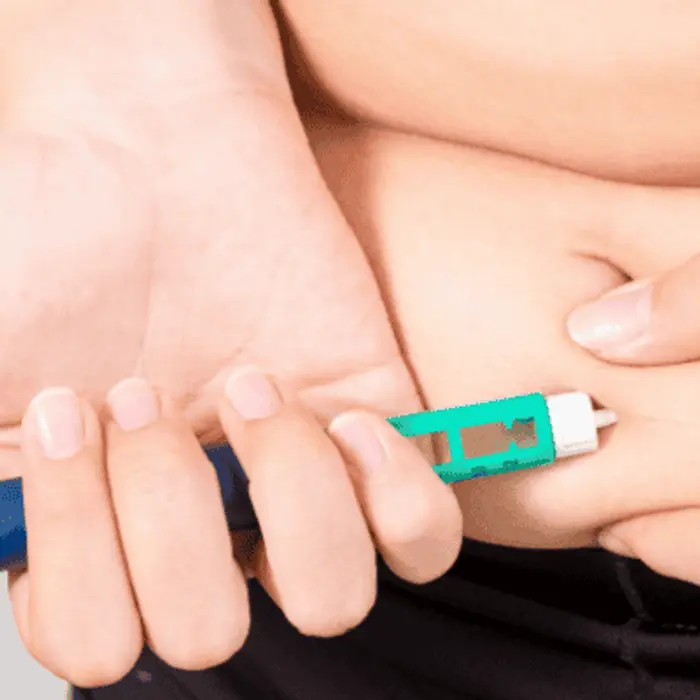
Ozempic is administered through a subcutaneous injection, usually once a week. This convenient dosing schedule makes it easier for patients to adhere to treatment without the need for daily injections. The injection is typically given in the thigh, abdomen, or upper arm, and users are advised to rotate injection sites to reduce discomfort or irritation.
Before starting Ozempic, individuals should receive guidance on proper injection technique, storage requirements, and what to do in case of missed doses. While the medication is generally well-tolerated, understanding how to administer it correctly is crucial for effectiveness and safety.
The Role of Hydration While Using Ozempic
Hydration is an often overlooked but vital component of treatment with Ozempic. Maintaining proper fluid intake helps the body manage potential side effects and supports overall metabolic health. Common side effects of Ozempic can include nausea, vomiting, and diarrhea, all of which can increase the risk of dehydration.
Adequate hydration helps:
Prevent dizziness and fatigue caused by fluid loss
Support kidney function while processing the medication
Reduce the intensity of gastrointestinal side effects
Aid in weight management by promoting satiety and healthy metabolism
Experts recommend drinking water consistently throughout the day and monitoring for signs of dehydration, such as dry mouth, dark urine, or decreased urine output.
Tips for Staying Hydrated
Incorporating hydration into your routine while using Ozempic doesn’t have to be complicated. Here are practical tips:
Carry a water bottle: Keep a refillable bottle nearby to remind yourself to drink regularly.
Include hydrating foods: Fruits like watermelon, oranges, and cucumber are rich in water and nutrients.
Set reminders: Use phone alarms or apps to establish a hydration schedule.
Avoid excessive caffeine or alcohol: These can increase fluid loss and counteract hydration efforts.
Monitor fluid intake: Aim for at least 1.5 to 2 liters of water per day, adjusting for climate, activity level, and personal health conditions.
By prioritizing hydration, individuals can reduce side effects and maximize the benefits of Ozempic therapy.
Managing Side Effects Effectively
While Ozempic is generally safe, some users may experience side effects, particularly during the initial weeks of treatment. The most common side effects include nausea, vomiting, diarrhea, constipation, and mild stomach discomfort. Staying hydrated is one of the simplest ways to alleviate these symptoms.
Other strategies include:
Eating smaller, more frequent meals to reduce nausea
Avoiding high-fat or greasy foods that may worsen gastrointestinal discomfort
Starting with the recommended lower dose and gradually increasing as advised
Resting after injections if mild dizziness occurs
It is essential to communicate with a healthcare provider if severe or persistent side effects arise. With careful management, most users find that side effects diminish over time.
Benefits of Ozempic Beyond Diabetes
While Ozempic is primarily prescribed for diabetes management, research shows that it may support weight loss and improve cardiovascular health. By regulating blood sugar levels and reducing appetite, the medication can help users achieve healthier body weight and lower risks associated with metabolic disorders.
In Muscat, individuals seeking a comprehensive approach to managing type 2 diabetes or weight issues often find Ozempic to be a valuable addition to lifestyle changes such as balanced nutrition and regular physical activity.
Important Considerations
Before starting Ozempic, it is crucial to consider individual health conditions and consult a healthcare professional for personalized guidance. Some considerations include:
Kidney or liver health
Potential interactions with other medications
History of gastrointestinal issues
Pregnancy or breastfeeding
Regular monitoring of blood sugar levels and ongoing check-ins with a healthcare provider ensure safe and effective use.
Frequently Asked Questions (FAQs)
1. Can Ozempic be used for weight loss only?
Ozempic is primarily prescribed for type 2 diabetes. While weight loss can be a beneficial side effect, it should be used under medical supervision, particularly for individuals without diabetes.
2. How long does it take to see results?
Some users notice improvements in blood sugar control within a few weeks. Weight loss and other metabolic benefits may take several months and depend on lifestyle factors.
3. Is Ozempic safe for long-term use?
When prescribed and monitored by a healthcare professional, Ozempic is generally considered safe for long-term use. Regular check-ups are essential to monitor effectiveness and any potential side effects.
4. Can dehydration be dangerous while using Ozempic?
Yes, dehydration can exacerbate side effects like dizziness or gastrointestinal discomfort. Drinking adequate fluids daily is important to prevent complications.
5. Can I exercise while taking Ozempic?
Yes, moderate exercise is encouraged. Physical activity can enhance the medication’s effectiveness in blood sugar management and weight control.
6. How should I store Ozempic?
Ozempic should be stored in a refrigerator before use. Once in use, it can typically be kept at room temperature for a limited period. Avoid freezing or exposing it to high heat.
Conclusion
Ozempic injections offer an effective approach to managing type 2 diabetes while also supporting weight management efforts. In Muscat, individuals have access to this therapy as part of a broader strategy for metabolic health. Equally important is maintaining proper hydration, which can enhance the benefits of Ozempic and reduce the risk of side effects.
By understanding how Ozempic works, practicing correct injection techniques, staying hydrated, and monitoring side effects, individuals can make the most of their treatment safely and effectively. Combining medical guidance with lifestyle adjustments ensures the best possible outcomes for overall health and wellness.







;)