Enfield Royal Clinic Oman

 Home
Home  About Enfield Royal Clinic Oman
  Treatments
  Make An Enquiry





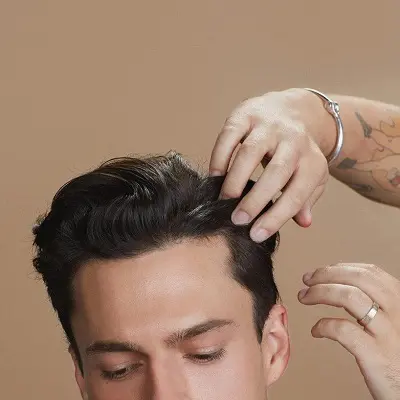
PRP Hair Treatment and Platelet Therapy: What’s the Difference?
Posted On Nov 19, 2025Revitalize your hair with PRP Hair Treatment – a safe, non-surgical therapy using your own platelets to stimulate hair growth and combat thinning. Discover fuller, healthier hair today.
Hair loss can feel overwhelming, especially when there are so many treatment options available. Among the growing list of solutions, PRP Hair Treatment and other forms of platelet therapy are becoming increasingly popular. Both approaches rely on the healing power of a person’s own blood, yet they are not identical. Understanding what sets them apart can help individuals make informed decisions—and feel more confident about the treatment path they choose.
Below is a clear and detailed guide explaining how PRP hair treatment differs from general platelet therapy, how each works, and who might benefit most.
What Is PRP Hair Treatment?
PRP hair treatment, or Platelet-Rich Plasma therapy for hair loss, is a non-surgical procedure designed to stimulate hair follicles and encourage natural hair growth. The process begins with drawing a small sample of the patient’s blood. This sample is then placed in a centrifuge, which spins at high speed to separate the components of the blood.
The result is a concentrated plasma rich in platelets—tiny blood cells that contain growth factors essential for healing and regeneration. This platelet-rich plasma is then carefully injected into areas of the scalp experiencing thinning, shedding, or early balding.
These growth factors help promote:
Better blood circulation in the scalp
Stronger, healthier hair follicles
Longer growth cycles
Increased thickness and density of the hair
In many cases, individuals begin noticing improvements after a few months of consistent sessions.
What Exactly Is Platelet Therapy?
While PRP is a form of platelet therapy, the term “platelet therapy” can refer to a broader category of treatments that use variations of platelet concentration or other blood components. In other words, PRP is just one specific type of platelet-based treatment, but not the only one.
Platelet therapy may include:
PRF (Platelet-Rich Fibrin)
PRF contains platelets trapped within a fibrin matrix. It is often considered a more natural version of PRP because it does not require anticoagulants. It releases growth factors slowly over time, which can lead to longer-lasting effects.
PPP (Platelet-Poor Plasma)
PPP has a lower concentration of platelets and is sometimes used for skin rejuvenation or to support other regenerative procedures. However, it is not typically used for hair loss.
Stem-cell–enhanced platelet therapies
Some treatments combine platelet concentrations with stem cells sourced from fat tissue or bone marrow. These combinations aim to boost regenerative power but are considered more experimental.
Why the Distinction Matters
Although all platelet therapies use the patient’s blood, the concentration, preparation method, and intended usage vary. That is why the results, benefits, and applications can differ significantly.
How PRP and Platelet Therapy Differ in Hair Restoration
Because PRP is the standard technique used specifically for hair loss, it is often the most researched and widely recommended. While other platelet therapies have regenerative properties, they may serve different purposes and may not be as targeted for scalp rejuvenation.
Here are the main differences:
1. Platelet Concentration
PRP has a controlled, standardized concentration of platelets. Other therapies may have higher or lower concentrations—or may include additional components like fibrin.
2. Release of Growth Factors
PRP releases growth factors quickly after injection.
PRF releases them more gradually due to its fibrin structure.
This difference affects how long results may last and how many sessions are recommended.
3. Application Purpose
PRP is specifically designed for hair regrowth and follicle stimulation.
Other platelet therapies may be used for skin rejuvenation, tissue healing, or injury recovery but are not always recommended for hair loss.
4. Treatment Method
PRP usually involves injecting the scalp at multiple points with a fine needle. Other platelet therapies may be applied differently or used in combination with microneedling.
5. Results and Expectations
While many individuals respond well to PRP hair treatment, results vary. Other platelet therapies may provide additional regenerative benefits but may not always deliver the same level of follicle-directed stimulation as PRP.
Why PRP Hair Treatment Is So Popular
PRP has quickly become one of the most popular hair restoration treatments because it uses the body’s own natural healing mechanisms. This means:
Minimal risk of reaction
No synthetic chemicals
No surgical incisions
Short recovery time
People often appreciate that PRP feels “natural,” yet still offers visible improvements in hair texture, fullness, and shedding reduction.
Who Might Benefit from PRP Hair Treatment?
PRP hair treatment is often recommended for individuals who have:
Early-stage hair thinning
Pattern hair loss
Increasing hair shedding
Weak or miniaturized follicles
Hair loss triggered by stress or hormonal shifts
It may also support hair health in people who have undergone certain medical treatments that impacted hair growth.
While PRP works well for many, it may not be the best option for individuals with complete baldness, as it cannot regrow hair where follicles are no longer active.
What to Expect During a PRP Hair Treatment Session
A typical PRP session usually involves:
A quick blood draw
Centrifugation to separate platelets
Injection of PRP across the scalp
Mild soreness afterward that fades quickly
Many people resume daily activities almost immediately. Over the course of several months, hair may appear thicker, healthier, and less prone to shedding.
Is Platelet Therapy Better Than PRP?
Not necessarily—because “platelet therapy” is a broader category. PRP is specifically formulated for hair growth, while other forms such as PRF may offer longer release of growth factors but are not always prioritized for hair loss treatment.
Some people may benefit from a combination approach, while others may respond best to PRP alone. The ideal option depends on individual hair conditions, goals, and biological response.
Frequently Asked Questions (FAQs)
1. Is PRP hair treatment the same as platelet therapy?
Not exactly. PRP is one form of platelet therapy specifically designed for hair regrowth. Other platelet therapies may have different purposes or formulas.
2. How long does it take to see results from PRP?
Most people notice improvements within 3 to 6 months, though individual timelines vary based on hair loss severity and session frequency.
3. Is PRP painful?
Some mild discomfort is possible during the injections, but most people tolerate it well. Numbing options may be used to reduce sensation.
4. Can platelet therapies be combined with PRP for better results?
In some cases, yes. Certain combinations may support stronger regenerative effects, but this depends on individual needs and treatment goals.
5. Are results permanent?
PRP helps stimulate and support follicles, but ongoing maintenance sessions may be needed because hair loss is often a progressive condition.
6. Is PRP safe?
Because PRP uses a person’s own blood, the risk of reaction is minimal. Side effects are typically minor and temporary, such as slight scalp tenderness or redness.
7. Who is not a good candidate for PRP?
Individuals with severe hair loss, certain medical conditions, or extremely inactive follicles may not see significant results. A professional evaluation can help determine suitability.
Conclusion
While PRP hair treatment and platelet therapy share similarities, they are not identical. PRP is one of the most targeted and well-studied platelet-based treatments for hair growth, offering a natural, regenerative approach for those experiencing thinning or shedding. Other platelet therapies have their own benefits but may serve different purposes or work through different mechanisms.
Understanding these differences helps individuals choose the approach that aligns best with their hair restoration goals. With the right expectations and consistent care, PRP hair treatment can be an effective, natural-looking solution for improving hair density, strength, and overall scalp health.
;)