Enfield Royal Clinic Oman

 Home
Home  About Enfield Royal Clinic Oman
  Treatments
  Make An Enquiry





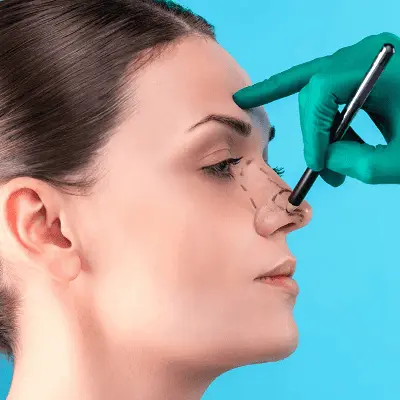
Rhinoplasty Revision Surgery: When Is It Needed?
Posted On Jun 1, 2026Discover rhinoplasty surgery to reshape your nose, improve breathing, and enhance facial balance with safe, expert care and results.
Rhinoplasty, commonly known as a “nose job,” is one of the most sought-after cosmetic and functional facial surgeries worldwide. While many people are satisfied with their first procedure, there are cases where results may not fully meet expectations or complications may arise over time. In such situations, revision rhinoplasty becomes an important consideration.
For individuals exploring Rhinoplasty in Oman, understanding when and why a revision procedure might be needed is essential before making any decisions. This guide explains revision rhinoplasty in a simple, friendly, and informative way, helping readers understand the signs, timing, and expectations associated with it.
Understanding Revision Rhinoplasty
Revision rhinoplasty is a corrective surgical procedure performed after an initial nose surgery. Its purpose is to improve or fix results from a previous rhinoplasty. This may involve refining the appearance of the nose, correcting breathing issues, or addressing structural concerns that were not fully resolved during the first operation.
Unlike primary rhinoplasty, revision surgery is often more complex. The nasal structure may already have scar tissue, altered cartilage, or reduced structural support. Because of this, surgeons usually approach revision cases with extra care and detailed planning.
In many cases, patients considering Rhinoplasty in Oman may seek revision surgery due to subtle aesthetic concerns or functional issues that only become noticeable after healing from the first procedure is complete.
Common Reasons Revision Surgery May Be Needed
There are several reasons why someone might need or choose revision rhinoplasty. These reasons can be cosmetic, functional, or both.
1. Unsatisfactory Aesthetic Results
Sometimes, the final appearance of the nose may not match the patient’s expectations. This could include asymmetry, irregular shape, or a nose that appears too large or too small in proportion to the face. Even minor irregularities can impact facial harmony, leading patients to consider revision surgery.
2. Breathing Difficulties
One of the most important functional concerns after rhinoplasty is nasal airflow. If the internal structure of the nose is altered too much or not properly supported, it may lead to breathing issues. Revision surgery can help correct internal obstructions and improve airflow.
3. Healing Complications
In some cases, the healing process may not go as planned. Excessive scar tissue, uneven healing, or minor collapse of nasal structures can affect both appearance and function. Revision rhinoplasty can help restore balance.
4. Trauma After Surgery
If the nose experiences an injury after the initial procedure, it can alter surgical results. Even a minor accident may shift nasal bones or cartilage, requiring corrective surgery.
5. Overcorrection or Undercorrection
Sometimes the first surgery may remove too much or too little tissue. Overcorrection can lead to a “scooped” or unnatural look, while undercorrection may leave the original concern partially unresolved.
When Is the Right Time for Revision Rhinoplasty?
Timing plays a crucial role in revision surgery. It is generally not recommended to undergo a second procedure too soon after the first. The nose needs time to fully heal and settle.
Most specialists suggest waiting at least 12 months after the initial rhinoplasty. This allows swelling to completely subside and the final shape of the nose to become visible. In some cases, minor irregularities seen early in healing may improve on their own over time.
Patients exploring Rhinoplasty in Oman are often advised to be patient during the healing phase before deciding on revision surgery. Rushing into another procedure too early can increase risks and lead to less predictable outcomes.
Rhinoplasty in Oman: What Patients Should Consider
In recent years, interest in cosmetic procedures, including rhinoplasty, has grown significantly. When considering revision rhinoplasty in Oman, patients should focus on several important factors.
Experience with Revision Cases
Revision rhinoplasty requires advanced surgical skill due to the complexity of working with previously operated nasal structures. Choosing a highly experienced approach is essential for achieving safe and natural-looking results.
Realistic Expectations
It is important for patients to have realistic expectations. While revision surgery can significantly improve both appearance and function, it may not achieve “perfection.” The goal is improvement and balance rather than absolute symmetry.
Detailed Consultation and Planning
A thorough evaluation is essential before revision surgery. This includes analyzing previous surgical records, understanding patient concerns, and examining nasal structure in detail. Careful planning helps ensure better outcomes.
Emotional Readiness
Undergoing a second surgery can be emotionally challenging. Patients should feel confident, informed, and mentally prepared before proceeding with revision rhinoplasty.
Recovery and Possible Risks of Revision Surgery
Recovery from revision rhinoplasty is often similar to primary surgery but may take slightly longer depending on the complexity of the case. Swelling and mild discomfort are normal in the early stages of healing.
Recovery Process
During the first week, patients may experience swelling, bruising, and congestion. Most individuals can resume light activities within 7–10 days, although full healing continues for several months. Final results may take up to a year to fully stabilize.
Possible Risks
As with any surgical procedure, revision rhinoplasty carries certain risks. These may include:
- Infection
- Bleeding
- Delayed healing
- Persistent swelling
- Minor asymmetry
However, careful planning and proper post-operative care significantly reduce these risks.
Importance of Aftercare
Following post-surgery instructions is crucial. Avoiding pressure on the nose, protecting it from injury, and attending follow-up appointments all contribute to successful healing and better long-term results.
Conclusion
Revision rhinoplasty is a specialized procedure designed to correct or improve the results of a previous nose surgery. Whether due to cosmetic concerns, functional issues, or healing complications, it offers patients a second opportunity to achieve better balance and comfort.
For those considering Rhinoplasty in Oman, understanding the right timing, expectations, and recovery process is essential before making a decision. With careful evaluation and realistic goals, revision surgery can provide meaningful improvements in both appearance and nasal function.
Ultimately, patience and informed decision-making play a key role in achieving satisfying and natural-looking results.
FAQs
1. What is revision rhinoplasty?
Revision rhinoplasty is a corrective surgery performed to improve or fix results from a previous nose surgery, addressing both cosmetic and functional concerns.
2. How soon can revision rhinoplasty be done after the first surgery?
It is generally recommended to wait at least 12 months to allow full healing and final results to become visible before considering revision surgery.
3. Why do people need revision rhinoplasty?
Common reasons include dissatisfaction with appearance, breathing difficulties, healing complications, or changes caused by injury after the initial surgery.
4. Is revision rhinoplasty more complicated than primary rhinoplasty?
Yes, it is usually more complex because of scar tissue, altered anatomy, and reduced structural support from the first surgery.
5. Can revision rhinoplasty improve breathing problems?
Yes, in many cases it can correct internal structural issues that affect airflow and improve breathing function.
6. How long does recovery take after revision rhinoplasty?
Initial recovery takes about 1–2 weeks, but full healing and final results may take several months to a year.
Read More About Rhinoplasty: https://www.citymapia.com/muscat/enfield-royal-clinic-oman/blog/is-rhinoplasty-painful-26442



;)