Enfield Royal Clinic Oman

 Home
Home  About Enfield Royal Clinic Oman
  Treatments
  Make An Enquiry





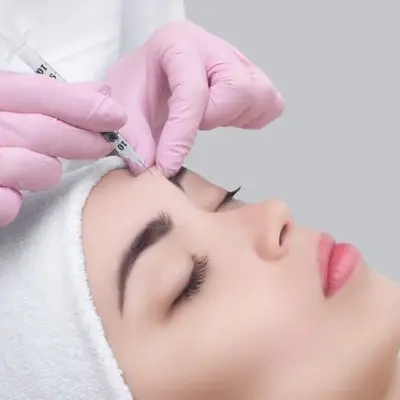
The Role of Botox Injections in Modern Pain Management
Posted On Oct 18, 2025Get smoother, younger-looking skin with Botox injections. Safe, effective, and FDA-approved treatment to reduce wrinkles and fine lines for a refreshed appearance.
When most people think of Botox, they immediately associate it with cosmetic treatments that smooth wrinkles and fine lines. However, Botox Injections in Muscat are increasingly being recognized for their remarkable medical benefits—particularly in pain management. Originally developed for neurological conditions, Botox has proven to be an effective tool for treating chronic pain disorders and muscle-related conditions.
This article takes an in-depth look at how Botox works for pain relief, what conditions it can help manage, and why it has become a trusted option in modern medicine.
Understanding Botox Beyond Aesthetics
Botox, or botulinum toxin type A, is a purified protein derived from Clostridium botulinum. In controlled doses, it temporarily blocks nerve signals to targeted muscles, reducing contractions and relieving tension.
While Botox gained worldwide popularity as a cosmetic injectable for reducing wrinkles, its therapeutic potential extends far beyond aesthetics. Over the past two decades, medical research has demonstrated its success in treating various neurological and muscular disorders, as well as chronic pain conditions.
Today, Botox Injections in Muscat are not just about looking younger—they’re also about feeling better and improving quality of life.
How Botox Works for Pain Relief
The mechanism behind Botox’s pain-relieving effects is both fascinating and complex. When injected into specific muscles or tissues, Botox interrupts the communication between nerves and muscles. This not only relaxes muscle activity but also inhibits the release of pain-signaling chemicals like acetylcholine and substance P.
Here’s how the process works step by step:
Targeted Injection: Botox is injected directly into the area associated with pain or muscle tension.
Nerve Blockage: The toxin blocks the release of neurotransmitters that tell muscles to contract.
Pain Reduction: With reduced muscle activity and fewer pain signals, discomfort and tension are significantly minimized.
Long-Term Relief: Over time, regular Botox treatments can retrain muscles, reducing chronic pain recurrence.
This approach provides both muscle relaxation and pain modulation, making Botox an ideal choice for patients suffering from conditions where traditional pain relief methods fall short.
Common Pain Conditions Treated with Botox
Medical specialists have found Botox to be effective in managing several types of pain-related disorders. Some of the most common conditions include:
1. Chronic Migraine
One of the most well-documented uses of Botox in pain management is for chronic migraine prevention. Patients who experience headaches for 15 or more days per month often find relief through Botox treatments. The injections are administered around the head and neck to block pain transmission and prevent future migraine episodes.
2. Muscle Spasms and Stiffness
Botox is widely used to treat muscle spasticity caused by conditions such as cerebral palsy, multiple sclerosis, or stroke. By relaxing overactive muscles, it helps reduce stiffness, improves mobility, and enhances overall comfort.
3. Temporomandibular Joint (TMJ) Pain
TMJ disorders can cause intense jaw pain and headaches due to muscle tension. Botox relaxes the jaw muscles, relieving clenching and grinding, which in turn reduces discomfort and prevents further joint damage.
4. Neck and Shoulder Pain (Cervical Dystonia)
In cases of cervical dystonia, Botox can help alleviate involuntary neck muscle contractions that cause pain and abnormal head postures.
5. Chronic Back Pain
For individuals with muscle-related back pain, Botox injections can help by reducing tension in the affected muscles, allowing them to heal and function more naturally.
6. Peripheral Neuropathy and Nerve Pain
Emerging studies suggest that Botox may also reduce nerve pain associated with diabetic neuropathy and other neuropathic conditions by disrupting pain signaling at the nerve endings.
Benefits of Botox in Pain Management
The use of Botox Injections in Muscat for pain relief offers several key advantages over traditional pain management methods:
1. Non-Addictive Pain Relief
Unlike many pain medications, Botox is non-opioid and non-addictive. This makes it a safer long-term option for patients who need ongoing relief.
2. Localized Treatment
Botox acts directly on the source of pain, minimizing the need for systemic medications that may have widespread side effects.
3. Long-Lasting Results
While results vary depending on the condition, many patients experience pain relief lasting 3 to 6 months, reducing the need for frequent treatments.
4. Improved Quality of Life
By reducing chronic discomfort, Botox helps patients return to their daily activities, sleep better, and experience overall emotional well-being.
5. Minimal Downtime
Treatment sessions are quick and require little to no recovery time. Most people resume normal activities immediately after injections.
What to Expect During a Botox Pain Management Session
The process of receiving Botox for pain management is straightforward, and most patients find it comfortable and efficient.
Consultation: A medical professional reviews the patient’s symptoms, medical history, and pain pattern to determine if Botox is appropriate.
Mapping the Injection Sites: The practitioner identifies specific muscles or nerves responsible for the pain.
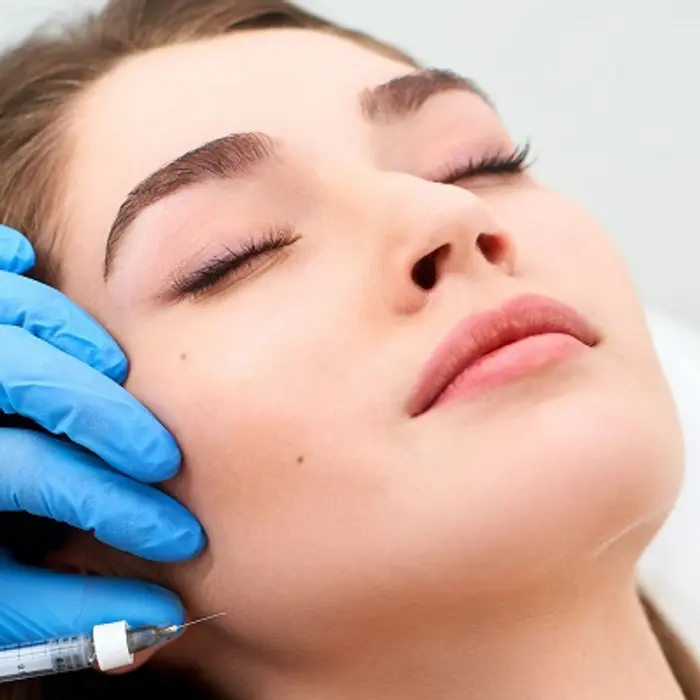
Injection: Using a fine needle, small amounts of Botox are injected into the targeted area. The entire procedure typically takes 10 to 30 minutes.
Post-Treatment Care: Patients are advised to avoid rubbing the area for 24 hours and to refrain from strenuous activity for a short period.
Results: Pain relief usually begins within a few days to two weeks and can last several months.
Are There Any Side Effects?
Botox is generally well tolerated, especially when administered by trained professionals. However, mild side effects can occur, including:
Temporary soreness or bruising at the injection site
Mild fatigue or headache
Minor muscle weakness in the treated area
These effects are usually temporary and resolve within a few days. Serious side effects are extremely rare when the procedure is performed correctly.
Why Botox Is Gaining Popularity in Muscat
The increasing popularity of Botox Injections in Muscat for pain management is due to their effectiveness, safety, and versatility. As more people seek non-invasive solutions for chronic pain, Botox has emerged as a reliable alternative to long-term medications and surgery.
Patients appreciate that the procedure is quick, relatively painless, and provides sustained relief without the risks associated with opioids or invasive interventions. Additionally, advancements in medical research continue to expand the potential applications of Botox, further cementing its role in modern healthcare.
Tips for Maximizing Results
Follow a consistent schedule: Regular treatments can help maintain long-term pain relief.
Communicate clearly with your provider: Be open about your symptoms and response to treatment.
Adopt complementary therapies: Physical therapy, stretching, and stress management can enhance results.
Stay hydrated and maintain a healthy lifestyle: Proper hydration and nutrition support muscle function and healing.
FAQs About Botox Injections in Pain Management
1. How long does it take for Botox to relieve pain?
Most patients notice improvement within 7–14 days, with full effects appearing within a month.
2. How often do I need Botox for chronic pain?
The effects usually last around 3–6 months, after which follow-up injections can help maintain relief.
3. Can Botox be combined with other pain treatments?
Yes. Botox is often part of a broader pain management plan, which may include medication, physiotherapy, or lifestyle changes.
4. Does Botox cause muscle weakness?
Temporary muscle relaxation is expected, but significant weakness is rare when injections are properly targeted.
5. Are Botox Injections safe for everyone?
Most adults can safely receive Botox, though it may not be suitable for individuals with certain neurological conditions or allergies. A consultation helps determine eligibility.
6. Can Botox treat nerve-related pain?
Yes. Emerging studies show promising results in reducing neuropathic pain by blocking specific pain pathways.
Conclusion
Botox Injections in Muscat are redefining the way pain is managed in modern medicine. Once seen solely as a cosmetic solution, Botox has evolved into a powerful therapeutic tool for alleviating chronic pain conditions. By targeting the source of discomfort at the muscular and neurological level, it offers long-lasting relief with minimal side effects.
For individuals seeking effective, non-invasive pain management solutions, Botox represents a safe and scientifically backed option that can dramatically improve quality of life. Whether used for migraines, muscle spasms, or nerve pain, Botox continues to bridge the gap between medical innovation and patient well-being—proving that its benefits extend far beyond aesthetics.


;)