Enfield Royal Clinic Oman

 Home
Home  About Enfield Royal Clinic Oman
  Treatments
  Make An Enquiry





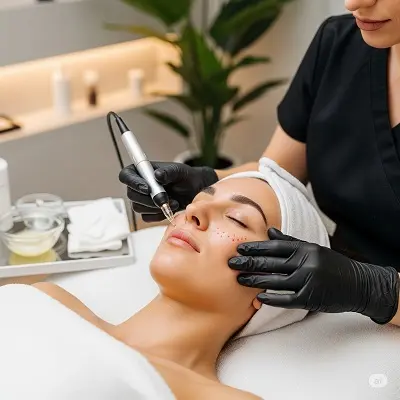
The Role of Laser Skin Resurfacing in Anti-Aging Treatments
Posted On Oct 21, 2025Laser Skin Resurfacing rejuvenates skin by reducing wrinkles, scars, and sun damage. Achieve smoother, younger-looking skin with minimal downtime.
As people age, changes in the skin—such as wrinkles, fine lines, uneven texture, and pigmentation—become more noticeable. While skincare products and lifestyle measures can help, advanced cosmetic procedures like laser skin resurfacing offer significant improvements in reversing and slowing the signs of aging. For individuals seeking Laser Skin Resurfacing in Oman, understanding how this treatment works, its benefits, and realistic expectations is key to achieving optimal results.
This article explores the role of laser resurfacing in anti-aging, the science behind it, and what patients can expect from the procedure.
How Aging Affects the Skin
Aging is a natural process that affects the skin in multiple ways:
Loss of Collagen and Elastin: These structural proteins maintain skin firmness and elasticity. As production declines, skin becomes looser and more prone to wrinkles.
Sun Damage: UV exposure over time contributes to pigmentation, dark spots, and photoaging.
Thinning Skin: The outer layer of skin (epidermis) becomes thinner, making imperfections more noticeable.
Slower Cell Turnover: Aging slows the natural renewal of skin cells, leading to dullness and uneven texture.
Laser skin resurfacing addresses these changes by stimulating collagen, removing damaged skin layers, and promoting regeneration.
How Laser Skin Resurfacing Works
Laser skin resurfacing involves the use of concentrated light energy to target damaged areas of the skin. The treatment works on two levels:
1. Surface Renewal
Ablative lasers remove the outer layers of damaged skin, which helps diminish:
Fine lines and shallow wrinkles
Surface scars
Sunspots and pigmentation irregularities
This removal reveals fresh, healthier skin underneath.
2. Collagen Stimulation
Laser energy penetrates deeper layers of the skin, heating tissue and stimulating fibroblasts to produce collagen. This leads to:
Firmer, more elastic skin
Reduction of deeper wrinkles
Improved skin texture and tone
By combining surface renewal with collagen remodeling, laser resurfacing can deliver long-lasting anti-aging results.
Types of Lasers for Anti-Aging
The choice of laser depends on the patient’s skin type, concerns, and tolerance for downtime:
Ablative Lasers (CO₂, Erbium): These remove the top layers of skin and are highly effective for deep wrinkles and significant sun damage. Recovery may take one to two weeks.
Non-Ablative Lasers: These penetrate the skin without removing layers, stimulating collagen gradually. They are suitable for milder aging signs and require minimal downtime.
Fractional Lasers: Deliver energy in small, precise zones, leaving surrounding skin intact. This allows faster healing and reduces the risk of complications, making them ideal for anti-aging treatments.
Each type can be tailored to target specific aging concerns, whether fine lines, sagging, or pigmentation.
Benefits of Laser Skin Resurfacing for Anti-Aging
Laser resurfacing offers several scientifically supported benefits for aging skin:
Reduction of Fine Lines and Wrinkles: Especially around the eyes, mouth, and forehead.
Improved Skin Texture: Smooths rough patches and enhances overall radiance.
Even Skin Tone: Reduces pigmentation irregularities, sunspots, and age spots.
Tighter, Firmer Skin: Stimulates collagen to restore elasticity.
Long-Lasting Results: Collagen production continues after treatment, offering ongoing improvement.
By addressing multiple signs of aging simultaneously, laser resurfacing is a comprehensive anti-aging solution.
Preparing for Laser Skin Resurfacing
Proper preparation enhances safety and results:
Consultation: A professional assessment determines the most appropriate laser type and treatment plan.
Pre-Treatment Skincare: Patients may be advised to stop certain medications or topical products and to keep the skin hydrated.
Sun Protection: Limiting UV exposure before treatment reduces the risk of post-laser pigmentation.
Patch Testing: For sensitive skin or darker skin tones, a small test area may be treated first to evaluate response.
Preparation ensures the procedure is safe and that the skin is in optimal condition for treatment.
Recovery and Post-Treatment Care
Recovery varies depending on the type of laser used:
Non-Ablative Treatments: Minimal redness or swelling, usually resolving in a few days.
Ablative Treatments: Redness, peeling, and mild swelling for 1–2 weeks. Full results appear gradually over months as collagen remodeling progresses.
Post-Treatment Care Tips
Keep the skin moisturized with gentle creams
Avoid sun exposure and apply broad-spectrum sunscreen daily
Avoid picking or scratching treated areas
Follow professional guidance on cleansing and skincare products
Attend follow-up visits to monitor progress
Adhering to aftercare recommendations maximizes results and reduces the risk of complications.
Who Can Benefit from Laser Skin Resurfacing
Ideal candidates for anti-aging laser resurfacing include individuals who:
Notice early or moderate signs of aging
Have sun damage, age spots, or mild pigmentation issues
Want improvement in skin texture and tone
Are in good general health and willing to follow aftercare instructions
Patients with active skin infections, certain medications, or unrealistic expectations should discuss alternatives or modified treatment plans.
FAQs About Laser Skin Resurfacing for Anti-Aging
1. How many sessions are needed to see results?
Mild concerns may improve with one session, while deeper wrinkles or significant sun damage may require two to three treatments.
2. Is the procedure painful?
Topical numbing agents are applied, and most patients report mild discomfort such as tingling or warmth during treatment.
3. How long until I see visible improvements?
Initial results may appear within a week, but full benefits typically develop over 2–3 months as collagen production continues.
4. Are there side effects?
Temporary redness, swelling, and peeling are common. Severe complications are rare when performed by trained professionals.
5. Can laser resurfacing be combined with other anti-aging treatments?
Yes. Microneedling, dermal fillers, or topical treatments may complement laser resurfacing to enhance overall results.
6. How can results be maintained long-term?
Ongoing skincare, sun protection, and healthy lifestyle choices help preserve results. Occasional follow-up treatments may be recommended.
Conclusion
Laser skin resurfacing is a powerful tool in the fight against skin aging. By targeting surface imperfections and stimulating collagen production, it improves texture, reduces wrinkles, evens skin tone, and restores firmness. For those considering laser skin resurfacing in Oman, understanding the procedure, preparation, recovery, and realistic outcomes ensures a safe and effective experience.
With proper planning and professional guidance, laser resurfacing can offer noticeable, long-lasting anti-aging benefits, helping individuals maintain a youthful, radiant complexion for years to come.
;)