Enfield Royal Clinic Oman

 Home
Home  About Enfield Royal Clinic Oman
  Treatments
  Make An Enquiry





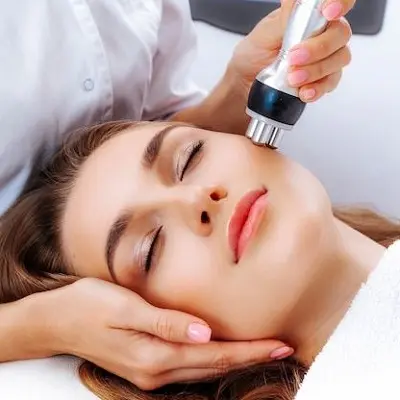
The Worst Skincare Advice Dermatologists Have Heard
Posted On Oct 13, 2025Find expert dermatologists for skin, hair, and nail care. Get personalized treatments for acne, eczema, aging, and more. Healthy skin starts with the right care.
Skincare is a booming industry, with endless tips, hacks, and miracle remedies circulating online and in social circles. While some advice can be helpful, a surprising amount of it is downright harmful. Dermatologists, especially the Best Dermatologists in Oman, often hear questionable skincare tips that can do more damage than good. Understanding what to avoid is just as important as knowing what works for your skin.
Common Skincare Myths That Can Harm Your Skin
One of the most frequent mistakes people make is following advice that seems logical but lacks scientific backing. Dermatologists consistently warn against certain popular myths:
1. Over-Exfoliating Will Solve Skin Problems
Exfoliation can be beneficial for removing dead skin cells and brightening the complexion, but overdoing it can damage the skin barrier. Many believe that scrubbing the skin multiple times a day will prevent breakouts or dullness. In reality, excessive exfoliation can lead to redness, sensitivity, and even worsening acne. Experts recommend gentle exfoliation no more than 2–3 times per week, depending on skin type.
2. Natural Ingredients Are Always Safe
Natural doesn’t always mean safe. DIY remedies using lemon juice, baking soda, or essential oils are common online suggestions. While they might seem harmless, these ingredients can irritate the skin, cause burns, or disrupt its pH balance. Dermatologists advise patch-testing any new ingredient and consulting a professional before trying home remedies.
3. Sunscreen Is Only Needed on Sunny Days
Many people skip sunscreen on cloudy days or during winter, thinking UV rays are not harmful when it’s not sunny. Dermatologists stress that UV exposure occurs year-round, and long-term neglect can accelerate skin aging and increase the risk of skin cancer. Using a broad-spectrum sunscreen daily is non-negotiable for healthy skin.
Skincare Habits That Seem Innocuous but Are Harmful
Even routine habits can sometimes backfire if not done correctly. Here are some common practices that dermatologists often advise against:
1. Sleeping With Makeup On
After a long day, removing makeup can feel tedious, but going to bed with makeup on can clog pores, cause breakouts, and accelerate skin aging. Cleansing thoroughly before bed allows the skin to repair itself overnight.
2. Picking at Pimples
It’s tempting to squeeze or pick at acne spots, but dermatologists warn that this can lead to scarring, infection, and prolonged healing. Instead, targeted treatments containing salicylic acid, benzoyl peroxide, or prescription options are much safer and effective.
3. Layering Too Many Products
Using multiple products simultaneously doesn’t necessarily speed up results. In fact, layering too many active ingredients can irritate the skin and reduce the effectiveness of your routine. A simple, consistent regimen is often better than a complicated one.
How the Best Dermatologists in Oman Recommend Healthy Skincare
Professionals recommend focusing on a balanced routine tailored to your skin type. While each individual may have unique needs, some universal principles apply:
Cleansing: Use a gentle cleanser suitable for your skin type. Over-cleansing can strip the skin of natural oils, while under-cleansing allows impurities to accumulate.
Moisturizing: Hydration is key. Even oily skin needs moisture, and skipping it can trigger increased oil production.
Sun Protection: Daily use of sunscreen is essential for all skin types, regardless of age or weather.
Consulting Professionals: Regular visits to a dermatologist help address persistent issues and prevent long-term damage.
Signs You Should See a Dermatologist
Ignoring skincare problems or relying solely on home remedies can worsen conditions. Consult a professional if you notice:
Persistent acne or breakouts that don’t respond to over-the-counter treatments
Sudden changes in moles, spots, or skin texture
Excessive dryness, redness, or irritation despite proper care
Unexplained hair loss or nail changes
Early intervention by the best dermatologists in Oman can prevent complications and ensure your skin remains healthy.
FAQs About Skincare and Dermatologist Advice
1. Can I use natural remedies instead of professional skincare products?
Natural remedies may work for some people, but they can also cause irritation. It’s best to consult a dermatologist before using DIY treatments.
2. How often should I see a dermatologist?
Annual check-ups are generally recommended, but more frequent visits may be needed if you have ongoing skin concerns.
3. Is sunscreen necessary if I stay indoors most of the day?
Yes. UVA rays can penetrate windows, so daily sunscreen application is advised even indoors.
4. Can acne be treated without medication?
Mild acne may improve with proper skincare, diet, and lifestyle changes, but moderate to severe acne often requires dermatologist-prescribed treatments.
5. Are expensive skincare products better than affordable ones?
Price doesn’t always reflect effectiveness. Look for products with proven active ingredients suitable for your skin type.
6. Is it safe to switch skincare products frequently?
Frequent changes can irritate your skin and make it harder to identify what works. Stick to a routine and introduce new products gradually.
Final Thoughts
The world of skincare is full of advice, but not all of it is trustworthy. Over-exfoliation, DIY remedies, and ignoring sun protection are just a few examples of habits that can damage the skin. By following professional guidance and avoiding harmful myths, you can achieve healthy, radiant skin. The best dermatologists in Oman emphasize prevention, consistency, and informed choices as the pillars of effective skincare. Remember, healthy skin isn’t about quick fixes—it’s about understanding your skin’s needs and treating it with care.



;)