Enfield Royal Clinic Oman

 Home
Home  About Enfield Royal Clinic Oman
  Treatments
  Make An Enquiry





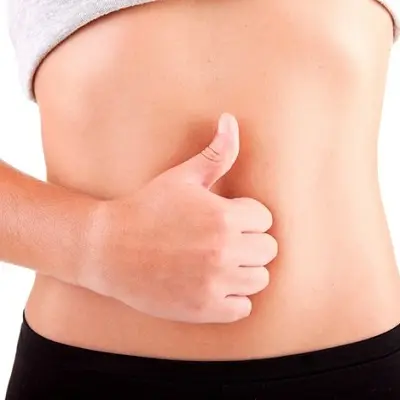
Tummy Tuck Recovery: Sleeping Positions and Comfort
Posted On Nov 14, 2025Discover the benefits of a tummy tuck (abdominoplasty) to achieve a flatter, firmer abdomen. Learn about the procedure, recovery, and results for a confident new you.
Recovering from a tummy tuck, or abdominoplasty, is an essential process that requires patience, care, and attention to post-operative instructions. One aspect of recovery that is often overlooked is sleeping positions. Proper sleep posture plays a critical role in reducing discomfort, minimizing swelling, and promoting faster healing. For patients undergoing a Tummy Tuck in Muscat, understanding the best ways to sleep and maintain comfort during recovery can significantly improve the post-surgery experience.
Why Sleeping Positions Matter After a Tummy Tuck
A tummy tuck involves the removal of excess skin and fat from the abdominal area while tightening underlying muscles. This creates tension in the surgical site, which can make lying flat or in certain positions uncomfortable. Sleeping incorrectly can strain the incision, increase swelling, or even prolong recovery.
Adopting the right sleeping positions helps:
Reduce pressure on the abdomen
Minimize swelling and bruising
Promote proper blood circulation
Prevent discomfort or strain on the incision site
Support the healing process and improve rest quality
Recommended Sleeping Positions After Surgery
1. The Slightly Reclined Position
One of the most commonly recommended sleeping positions after a tummy tuck is a slightly reclined position.
Use a reclining chair or elevate the head and upper body with pillows.
Keep knees slightly bent to reduce tension on the abdominal muscles.
This position helps relieve pressure on the incision and promotes comfort during the early days of recovery.
2. Side-Lying Position with Support
Some patients may find relief by sleeping on their side with proper support:
Place a pillow between the knees to reduce pressure on the lower back and abdomen.
Use another pillow behind the back for additional support.
Avoid rolling onto the stomach or applying pressure directly on the incision.
Side-lying positions can help those who struggle to maintain a reclined posture throughout the night.
3. Semi-Fowler Position
The semi-Fowler position, in which the upper body is elevated at a 30–45 degree angle, is often recommended:
Use multiple pillows or an adjustable bed to achieve the elevation.
Keep the legs slightly bent or supported by a pillow to reduce abdominal tension.
This position reduces swelling and promotes blood circulation, particularly in the first two weeks after surgery.
4. Avoid Stomach Sleeping
Sleeping on the stomach should be avoided for at least six weeks after surgery:
It places direct pressure on the incision, increasing the risk of discomfort or complications.
It can strain the tightened abdominal muscles and delay healing.
5. Avoid Completely Flat Sleeping
Sleeping completely flat can stretch the incision and increase pain, especially during the first few weeks post-surgery. Elevating the upper body and slightly bending the knees is safer and more comfortable.
Tips for Enhancing Sleep Comfort During Recovery
1. Use Supportive Pillows
Pillows can provide additional comfort and help maintain proper alignment:
Wedge pillows or body pillows support the upper body and legs.
Place a small pillow under the lower back for lumbar support.
Adjust pillows to relieve pressure points and ensure restful sleep.
2. Wear Comfortable Clothing
Loose, breathable clothing can reduce irritation and pressure on the incision. Avoid tight waistbands or restrictive garments during sleep.
3. Maintain a Comfortable Sleep Environment
A quiet, cool, and dark room can improve sleep quality. Good sleep hygiene, including a consistent bedtime routine, supports overall recovery.
4. Follow Post-Operative Guidelines
Patients should continue wearing recommended compression garments during the day and as advised during sleep. These garments help reduce swelling and provide abdominal support.
5. Elevate Legs Slightly
Elevating the legs with a pillow can reduce swelling in the lower body and improve circulation, making it easier to maintain a comfortable sleeping position.
Managing Discomfort While Sleeping
Even with proper positioning, mild discomfort is normal during the initial recovery phase. Strategies to manage discomfort include:
Taking prescribed pain medications before bedtime if recommended by the surgeon
Applying cold packs as directed to reduce swelling
Practicing gentle deep-breathing or relaxation exercises to promote comfort
Adjusting pillows and positions as needed for optimal support
When to Seek Medical Advice
While some discomfort is expected, patients should contact their surgeon in Muscat if they notice:
Severe or worsening pain that is not relieved by medication
Redness, warmth, or unusual swelling around the incision
Signs of infection, such as fever or discharge
Difficulty breathing or other concerning symptoms during sleep
Prompt medical attention can prevent complications and ensure safe recovery.
FAQs About Tummy Tuck Recovery and Sleeping Positions
1. How soon can I sleep on my side after a tummy tuck?
Most patients can begin side-sleeping after the first week, with proper support and pillows. Always follow the surgeon’s guidance.
2. Can I sleep without pillows after a tummy tuck?
Pillows are highly recommended to maintain a slightly reclined or semi-Fowler position and reduce strain on the abdomen.
3. When can I sleep on my stomach again?
Stomach sleeping should be avoided for at least six weeks or until cleared by the surgeon.
4. Is it normal to feel discomfort while sleeping?
Yes, mild discomfort is normal due to incision tension and abdominal muscle tightening. Proper positioning and pain management help reduce discomfort.
5. Do compression garments need to be worn while sleeping?
Follow the surgeon’s instructions. In many cases, compression garments are worn during the day and may be optional at night, depending on the stage of recovery.
6. How can I prevent swelling while sleeping?
Elevate the upper body and legs slightly, wear compression garments, stay hydrated, and avoid positions that put pressure on the abdomen.
7. Can I use an adjustable bed for recovery?
Yes, an adjustable bed can be very helpful in maintaining recommended sleeping positions and enhancing comfort during recovery.
Conclusion
Sleeping properly after a tummy tuck in Muscat is a critical component of recovery. By adopting recommended positions, using supportive pillows, and following post-operative guidelines, patients can minimize discomfort, reduce swelling, and promote faster healing. Avoiding pressure on the incision, elevating the upper body, and maintaining proper posture at night can significantly improve sleep quality during recovery. Combined with healthy habits, pain management, and regular follow-up care, proper sleeping positions play a key role in achieving optimal tummy tuck results.


;)