Enfield Royal Clinic Oman

 Home
Home  About Enfield Royal Clinic Oman
  Treatments
  Make An Enquiry





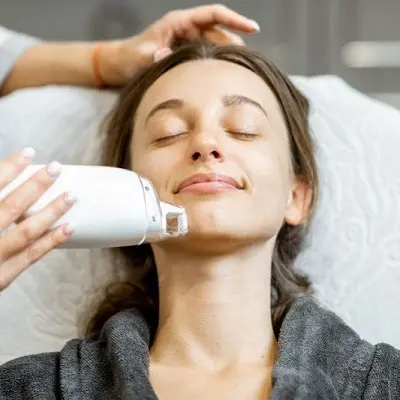
What Are Realistic Expectations of Laser Skin Resurfacing Results?
Posted On Oct 21, 2025Laser Skin Resurfacing rejuvenates skin by reducing wrinkles, scars, and sun damage. Achieve smoother, younger-looking skin with minimal downtime.
Laser skin resurfacing has become a widely sought-after treatment for improving the appearance of the skin. From reducing wrinkles and fine lines to addressing acne scars, pigmentation, and uneven texture, this advanced procedure offers numerous benefits. However, while the results can be transformative, understanding what is realistic is essential for anyone considering Best Laser Skin Resurfacing in Muscat.
Setting realistic expectations ensures satisfaction, helps avoid disappointment, and supports better post-treatment care and long-term results.
Understanding How Laser Skin Resurfacing Works
Laser skin resurfacing uses focused light energy to remove damaged layers of skin while stimulating collagen production in deeper layers. This process promotes smoother, firmer, and more evenly toned skin.
There are two main types of laser resurfacing:
1. Ablative Lasers
Ablative lasers, such as CO₂ and Erbium lasers, remove the outer skin layers, making them highly effective for deep wrinkles, pronounced scarring, and significant texture irregularities. While these treatments deliver dramatic results, they require longer recovery times.
2. Non-Ablative Lasers
Non-ablative lasers penetrate the skin without removing surface layers, gradually stimulating collagen and improving skin quality. These treatments are ideal for mild to moderate concerns and involve minimal downtime.
Understanding the type of laser and how it interacts with the skin is the first step in setting realistic expectations for results.
Realistic Outcomes to Expect
Laser skin resurfacing can deliver impressive improvements, but it is important to recognize its limitations:
1. Improved Skin Texture
Patients can expect smoother, softer skin as the laser stimulates collagen and removes damaged cells. Fine lines, minor scars, and rough patches often become less noticeable.
2. Reduced Appearance of Wrinkles
While laser resurfacing can significantly diminish fine lines and moderate wrinkles, it may not completely eliminate deep or static wrinkles, especially those caused by long-term aging or structural changes.
3. Evened Skin Tone and Reduced Pigmentation
Sun damage, dark spots, and uneven pigmentation often improve after laser treatment. Multiple sessions may be required for stubborn pigmentation, and ongoing sun protection is crucial to maintain results.
4. Scar Reduction
Acne scars and surgical scars can appear less prominent, although complete eradication may not be achievable. Laser resurfacing softens the scar tissue and encourages skin regeneration, producing a smoother appearance.
5. Gradual Results
It is important to understand that results are not instantaneous. Skin regeneration takes time, and improvements often continue for several weeks to months as collagen production and healing progress.
By acknowledging these realistic outcomes, patients can approach treatment with a positive and informed mindset.
Factors That Influence Results
Several factors impact the effectiveness of laser skin resurfacing and the degree of improvement patients can expect:
Skin Type and Tone: Individuals with lighter skin may experience faster visible results, while those with darker skin tones may require specialized laser settings to avoid pigmentation issues.
Age: Younger patients generally have more collagen and elastic skin, which can enhance results.
Skin Concerns: The severity of wrinkles, scars, or pigmentation affects how noticeable the improvements will be.
Lifestyle Factors: Sun exposure, smoking, diet, and skincare routines influence healing and long-term outcomes.
Number of Sessions: Some patients require multiple treatments to achieve optimal results, particularly for deeper wrinkles or persistent pigmentation.
Being aware of these factors helps manage expectations and ensures patients take the necessary steps to support healing and results.
Recovery and Maintenance
Post-treatment care plays a crucial role in achieving realistic results:
Proper Aftercare: Gentle cleansing, moisturizing, and avoiding sun exposure help the skin heal properly and reduce the risk of complications.
Sun Protection: Daily sunscreen and protective clothing are essential to maintain the benefits of laser resurfacing.
Follow-Up Treatments: Some patients benefit from additional laser sessions or complementary procedures to enhance results.
Healthy Lifestyle: Staying hydrated, eating a balanced diet, and avoiding smoking support collagen production and skin health.
Understanding the recovery timeline and adhering to recommended care ensures the skin heals optimally and maximizes the longevity of results.
Common Misconceptions
It is important to separate fact from fiction regarding laser skin resurfacing:
“Instant Perfection” – Results take time; initial redness and swelling may temporarily mask improvements.
“One Treatment Fixes Everything” – Some skin concerns, like deep wrinkles or extensive scarring, may require multiple sessions.
“No Maintenance Needed” – Ongoing skincare, sun protection, and occasional follow-up treatments are necessary to preserve results.
“It Works Equally for All Skin Types” – Laser settings and approaches must be customized based on skin tone and sensitivity to ensure safety and effectiveness.
Clarifying these misconceptions helps patients approach the procedure with realistic expectations and reduces the risk of dissatisfaction.
FAQs About Realistic Expectations
1. How long before I see results after laser resurfacing?
Initial improvements may be visible within a few days to weeks, but full results typically develop over two to three months as collagen remodeling progresses.
2. Are results permanent?
Laser resurfacing provides long-lasting improvement, but natural aging and environmental factors will continue to affect the skin. Maintenance treatments and proper skincare help prolong results.
3. Will laser resurfacing completely eliminate scars or wrinkles?
Laser resurfacing significantly improves the appearance of scars and wrinkles but may not completely remove deep or severe imperfections. Multiple sessions or complementary treatments may be recommended.
4. Can anyone undergo laser skin resurfacing?
Most individuals are suitable candidates, but those with active skin conditions, certain medications, or very sensitive skin should undergo professional evaluation before treatment.
5. How many sessions are typically needed?
The number of sessions depends on skin concerns and goals. Mild issues may be addressed in one session, while more severe concerns may require two to three treatments for optimal results.
6. How important is post-treatment care?
Post-treatment care is critical for healing, preventing complications, and maximizing results. Sun protection, gentle skincare, and adherence to professional guidelines are essential.
Conclusion
Laser skin resurfacing is a highly effective treatment for improving skin texture, reducing wrinkles, and addressing pigmentation and scarring. However, setting realistic expectations is key to achieving satisfaction and long-term success. Patients should understand that results are gradual, improvements vary based on individual factors, and ongoing care is necessary to maintain benefits.
For those considering laser skin resurfacing in Muscat, consulting with a qualified professional ensures a personalized treatment plan, proper laser settings, and guidance for post-care. By approaching the procedure with informed expectations and patience, patients can enjoy smoother, healthier, and more youthful-looking skin while maximizing the long-term benefits of this advanced treatment.


;)