Enfield Royal Clinic Oman

 Home
Home  About Enfield Royal Clinic Oman
  Treatments
  Make An Enquiry





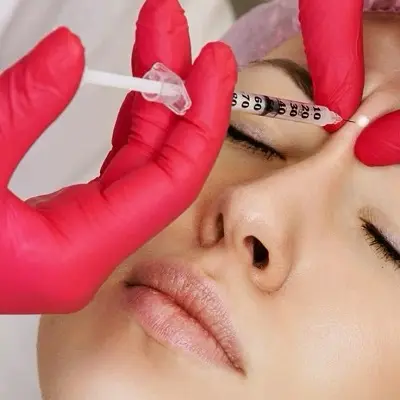
Are Botox Injections Safe for Your Forehead Lines?
Posted On Nov 20, 2025Discover the benefits of Botox injections for reducing wrinkles and fine lines, enhancing facial rejuvenation, and achieving a youthful, refreshed appearance.
Forehead lines are one of the most common signs of aging, often appearing as horizontal wrinkles that form due to repeated facial expressions like raising the eyebrows or frowning. For many, these lines can affect confidence and make the face appear tired or older than it is. Among non-surgical cosmetic options, Botox Injections have become a popular choice for smoothing forehead lines. But the question many first-time patients ask is: “Are Botox injections safe for my forehead lines?”
This article explores the safety, benefits, and considerations for Botox treatments on forehead lines, helping readers make informed decisions.
What Are Botox Injections?
Botox is a purified form of botulinum toxin that, when injected in small, controlled amounts, temporarily relaxes targeted facial muscles. By blocking nerve signals to these muscles, Botox reduces repetitive movements that cause dynamic wrinkles.
While Botox is widely known for cosmetic use, it is also used for medical purposes, such as treating migraines or excessive sweating. In the context of forehead lines, Botox targets the muscles responsible for horizontal and vertical wrinkles, leading to a smoother, more youthful appearance.
How Botox Works on Forehead Lines
Forehead lines are primarily caused by the frontalis muscle, which lifts the eyebrows. Over time, repeated movements lead to visible horizontal wrinkles. Botox works by:
Relaxing the Frontalis Muscle: This prevents overactive muscle movement that forms lines.
Smoothing Dynamic Wrinkles: Botox softens existing wrinkles and helps prevent them from deepening.
Promoting Natural Appearance: When injected correctly, the forehead remains expressive while appearing rejuvenated.
The key to safety and effectiveness lies in precise injection technique and appropriate dosage tailored to individual needs.
Are Botox Injections Safe for the Forehead?
The short answer is yes—Botox injections are generally considered safe for forehead lines when administered by a trained professional.
Safety Considerations:
Minimal Invasiveness: Botox is non-surgical and requires only tiny injections.
Temporary Effects: The muscle-relaxing effects are temporary, typically lasting 3–6 months, allowing adjustments or discontinuation without permanent changes.
Low Risk of Serious Complications: Side effects are usually mild and temporary, including redness, swelling, or minor bruising at the injection site.
FDA Approval: Botox is approved for cosmetic use, including forehead lines, in many countries, highlighting its safety when used appropriately.
However, as with any cosmetic treatment, it’s essential to consult a qualified injector and discuss medical history, medications, and specific concerns.
Factors That Influence Safety and Effectiveness
1. Injection Technique
Proper injection technique is critical. Incorrect placement or excessive dosing can lead to undesirable effects such as uneven eyebrows, drooping eyelids, or stiffness. Experienced injectors ensure natural-looking results while minimizing risks.
2. Dosage
The amount of Botox used must be appropriate for the size and strength of the forehead muscles. Under-dosing may produce minimal results, while over-dosing can temporarily impair facial expressions.
3. Individual Anatomy
Everyone’s forehead muscles and skin elasticity differ. Personalized treatment plans ensure safety and optimal outcomes.
4. Pre-existing Conditions
Certain neurological conditions, allergies to botulinum toxin, or active infections at the injection site may increase risks. A thorough consultation helps identify contraindications.
5. Lifestyle Factors
Smoking, excessive sun exposure, and stress can affect skin health and the longevity of results. Maintaining healthy habits can enhance both safety and effectiveness.
What to Expect During a Forehead Botox Treatment
Step 1: Consultation
The practitioner assesses the forehead lines, discusses goals, and reviews medical history to create a tailored treatment plan.
Step 2: Preparation
The forehead is cleaned, and in some cases, a topical numbing cream is applied to reduce discomfort.
Step 3: Injections
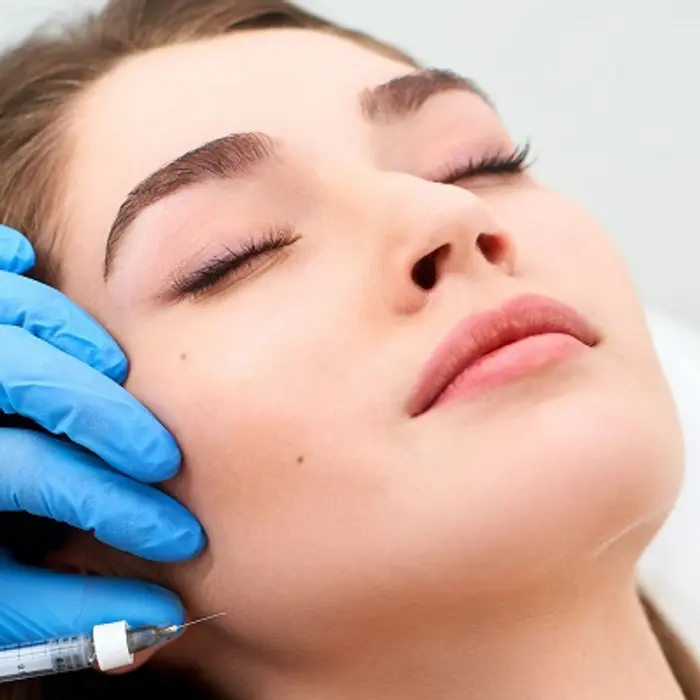
Small amounts of Botox are injected into specific areas of the frontalis muscle. Most patients feel mild pinching or pressure, but the procedure is generally quick and well-tolerated.
Step 4: Post-Treatment Care
Patients are usually advised to avoid rubbing the treated area, lying down for a few hours, or engaging in strenuous activity immediately after the procedure. Most can resume normal activities right away.
Step 5: Results
Initial effects may appear within 3–5 days, with full results visible in 10–14 days. The smoothening effect typically lasts 3–6 months, after which maintenance sessions can be scheduled.
Benefits of Botox for Forehead Lines
Smoother Appearance: Forehead wrinkles soften, creating a more youthful look.
Preventative Effect: Regular Botox can slow the formation of deeper lines.
Quick and Convenient: Treatments are typically completed in under 30 minutes.
Minimal Downtime: Patients can return to daily activities immediately.
Natural-Looking Results: When performed correctly, Botox allows normal facial expressions while reducing wrinkles.
Potential Side Effects and Precautions
While Botox is generally safe, minor side effects can occur, including:
Redness, swelling, or tenderness at injection sites
Mild headache or fatigue
Temporary drooping of the eyebrows (rare)
Bruising in sensitive areas
To minimize risks, patients should choose an experienced practitioner, follow pre- and post-treatment instructions, and report any unusual reactions promptly.
FAQs
1. Can Botox freeze my forehead completely?
No. When administered properly, Botox relaxes the muscles without eliminating natural expressions. Over-treatment or improper placement can cause temporary stiffness.
2. How long do Botox results for forehead lines last?
Results typically last 3–6 months, depending on individual factors such as muscle strength, metabolism, and lifestyle.
3. Is Botox painful?
Most patients experience only mild pinching or pressure during injections. Some may use a numbing cream for added comfort.
4. Can first-time patients safely get Botox on the forehead?
Yes. Botox is safe for first-time patients when performed by a qualified professional, with results that can be adjusted over time.
5. Are there any conditions that make Botox unsafe for forehead lines?
Certain neurological conditions, allergies to botulinum toxin, pregnancy, or infections at the injection site may contraindicate treatment. Consultation is essential.
6. Can Botox prevent forehead lines from getting worse?
Yes. By relaxing the frontalis muscle, Botox can reduce repeated movements that deepen lines, providing both cosmetic and preventative benefits.



;)