Enfield Royal Clinic Oman

 Home
Home  About Enfield Royal Clinic Oman
  Treatments
  Make An Enquiry





Are You a Good Candidate for PRP Hair Treatment?
Posted On Nov 20, 2025Revitalize your hair with PRP Hair Treatment – a safe, non-surgical therapy using your own platelets to stimulate hair growth and combat thinning. Discover fuller, healthier hair today.
Hair loss can be a challenging experience, affecting both confidence and self-esteem. With modern advancements in hair restoration, PRP (Platelet-Rich Plasma) hair treatment has become an increasingly popular, non-surgical option for addressing thinning hair and early-stage baldness. For those searching for the PRP Hair Transplant in Oman, understanding whether this procedure is right for them is a crucial first step. This guide provides an expert, friendly overview to help individuals evaluate their suitability for PRP therapy.
What Is PRP Hair Treatment?
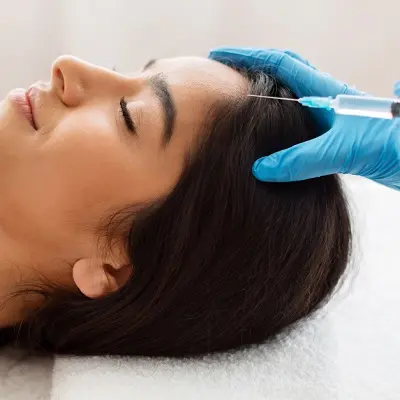
PRP hair treatment is a medical procedure that uses a patient’s own blood to promote hair growth. The process involves drawing a small amount of blood, processing it in a centrifuge to concentrate the platelets, and injecting the platelet-rich plasma into the scalp. Platelets are rich in growth factors, which stimulate hair follicles, improve circulation, and encourage new hair growth.
Unlike traditional hair transplants, PRP is minimally invasive and requires no surgery or extensive downtime, making it an attractive option for those seeking natural hair restoration.
Understanding Who Can Benefit
Not everyone experiencing hair loss will respond equally well to PRP therapy. Identifying whether someone is a suitable candidate involves considering hair condition, age, health status, and underlying causes of hair loss.
Ideal Candidates
Good candidates for PRP hair treatment generally have:
Early-stage hair thinning or mild pattern baldness
Healthy hair follicles that can respond to stimulation
A realistic understanding of expected outcomes
Good overall health and no contraindicating medical conditions
PRP is most effective for individuals whose hair follicles are still active, as the treatment works by stimulating existing follicles rather than creating new ones.
Situations Where PRP May Be Less Effective
PRP may not yield optimal results in cases such as:
Complete baldness in certain areas where follicles are inactive
Advanced hair loss with extensive scarring on the scalp
Hair loss caused by autoimmune diseases or certain medications without addressing underlying causes
Consultation with a hair specialist is essential to determine if PRP therapy is likely to produce visible improvements.
Health Considerations and Preparation
Before undergoing PRP hair treatment, patients should review their health and lifestyle to ensure the procedure is safe and effective.
Medical Conditions
Individuals with the following conditions should seek medical advice before PRP therapy:
Blood disorders that affect platelet function
Chronic illnesses that may impair healing
Scalp infections or dermatological conditions
Being upfront about medical history allows healthcare professionals to tailor the procedure safely and effectively.
Lifestyle Factors
A healthy lifestyle can enhance the effectiveness of PRP therapy. Recommendations include:
Avoiding smoking and excessive alcohol consumption
Maintaining a balanced diet rich in vitamins and minerals essential for hair growth
Staying hydrated and ensuring adequate sleep
Medications and Supplements
Certain medications and supplements, particularly blood thinners such as aspirin or fish oil, may interfere with platelet function. Patients should consult a healthcare provider about temporarily adjusting medication before treatment.
What to Expect During the PRP Procedure
PRP hair treatment is generally an outpatient procedure that can be completed in under an hour. The process includes:
Blood Collection: A small sample of blood is drawn from the patient.
Centrifugation: The blood is processed to separate the platelet-rich plasma.
Scalp Preparation: The treatment area is cleaned, and a local anesthetic may be applied.
PRP Injection: The plasma is injected into areas of the scalp with thinning hair using fine needles.
Most patients experience minimal discomfort, often described as a tingling or slight pricking sensation.
Recovery and Aftercare
One of the advantages of PRP hair treatment is its minimal recovery time. Most people can resume normal activities immediately, though some temporary effects may occur:
Mild redness or swelling at injection sites
Slight tenderness or tingling sensations
Aftercare Tips
Avoid washing the hair for at least 24 hours after treatment
Refrain from strenuous physical activity for the first 48 hours
Use gentle shampoos and avoid harsh chemicals or styling products for several days
Following aftercare instructions ensures maximum benefit from the procedure and reduces the risk of complications.
Expected Results and Timeline
PRP therapy is a gradual process, and results usually appear over several months. A series of treatments is often recommended, typically spaced 4–6 weeks apart, to achieve the best outcome.
Typical Timeline:
1–2 Months: Initial improvements may include reduced hair shedding.
3–4 Months: New hair growth may become noticeable, with improved thickness.
6–12 Months: Full results are often visible, showing denser, healthier hair.
Patients should maintain realistic expectations and understand that results can vary depending on age, genetics, and scalp condition.
FAQs About PRP Hair Treatment
1. Is PRP hair treatment painful?
Most patients experience minimal discomfort. Numbing creams or local anesthetics can help reduce any pain during injections.
2. How long does each session take?
A typical PRP session lasts between 45 and 60 minutes, including blood processing and injections.
3. Are results permanent?
PRP stimulates natural hair growth, but ongoing maintenance treatments may be needed to maintain results over time.
4. Can anyone undergo PRP therapy?
PRP is suitable for most healthy adults experiencing hair thinning, but individuals with certain medical conditions should consult a specialist first.
5. Are there side effects?
Side effects are generally mild and may include redness, swelling, or tenderness at injection sites. Serious complications are rare.
6. How soon will I see results?
Visible improvements typically appear after a few months and become more pronounced after multiple sessions. Patience is key to achieving optimal outcomes.
Conclusion
Determining whether you are a good candidate for PRP hair treatment requires careful consideration of your hair condition, overall health, and treatment goals. For individuals seeking a non-surgical solution to hair thinning or early-stage baldness, PRP therapy offers a safe, effective option. Those interested in a PRP hair transplant in Oman should consult a qualified specialist to evaluate suitability, discuss expectations, and plan a personalized treatment schedule.
By understanding the process, preparing adequately, and maintaining realistic expectations, patients can achieve the best possible outcomes and enjoy thicker, healthier hair over time.

;)