Enfield Royal Clinic Oman

 Home
Home  About Enfield Royal Clinic Oman
  Treatments
  Make An Enquiry





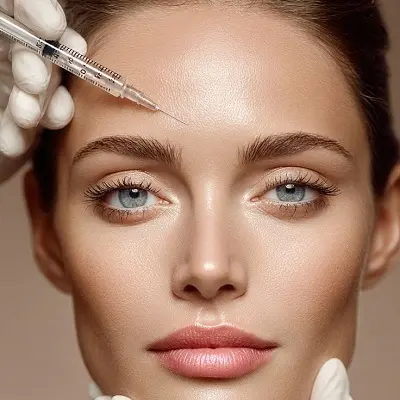
Botox for Migraine in Muscat for Frequent Migraine Sufferers
Posted On Nov 26, 2025Discover how Botox for migraine can reduce headache frequency, ease pain, and improve quality of life with targeted, effective treatments.
Migraines are more than occasional headaches—they are neurological events that can drastically affect daily life. For people who experience migraines frequently, the struggle to find effective relief can be exhausting. Traditional medications and lifestyle adjustments do not always provide sufficient results, which is why Botox for Migraine in Muscat has become an increasingly popular option for frequent migraine sufferers. This treatment is specifically designed to reduce the frequency and intensity of chronic migraines, offering hope to those whose lives are disrupted by recurring pain.
Understanding Frequent Migraines
Frequent migraines, often referred to as chronic migraines, are characterized by:
Headaches occurring 15 or more days per month
At least eight days per month with true migraine symptoms
Persistent pain lasting hours to days
Accompanying symptoms such as nausea, vomiting, sensitivity to light, sound, or visual disturbances
These recurring migraines can severely impact productivity, sleep quality, emotional well-being, and overall quality of life. Frequent sufferers often struggle with daily activities and may develop anxiety or depression due to the unpredictability of migraine attacks.
How Botox Works for Migraine Relief
Botox, or botulinum toxin type A, is widely known for its cosmetic use, but its therapeutic benefits for chronic migraine are well-documented. Unlike painkillers or oral preventive medications, Botox works directly on the nerves and muscles involved in migraine pain.
The mechanism of action includes:
Blocking Pain Signals: Botox inhibits the release of neurotransmitters that transmit pain signals to the brain.
Reducing Muscle Tension: Chronic migraine sufferers often experience tightness in neck, shoulder, and head muscles, which can trigger migraines. Botox helps relax these muscles.
Modulating Nerve Sensitivity: By decreasing overactive nerve pathways, Botox reduces the brain’s susceptibility to migraine triggers.
This preventive approach is why Botox is recommended for frequent migraine sufferers rather than those with occasional or infrequent headaches.
Who Is an Ideal Candidate for Botox?
Not everyone with migraines will benefit from Botox. It is primarily designed for individuals who experience chronic or frequent migraines. Ideal candidates often:
Have headaches on 15 or more days per month
Have tried other preventive medications with limited success
Experience migraines lasting at least four hours per day
Seek a long-term management solution rather than acute pain relief
Patients should undergo a thorough medical evaluation to rule out other causes of headaches and ensure that Botox is safe for their specific situation.
The Botox Treatment Process
Botox for migraine involves a series of injections in specific areas of the head and neck. Here’s what frequent migraine sufferers can typically expect:
1. Consultation: Patients discuss their migraine history, frequency, and previous treatments to determine suitability.
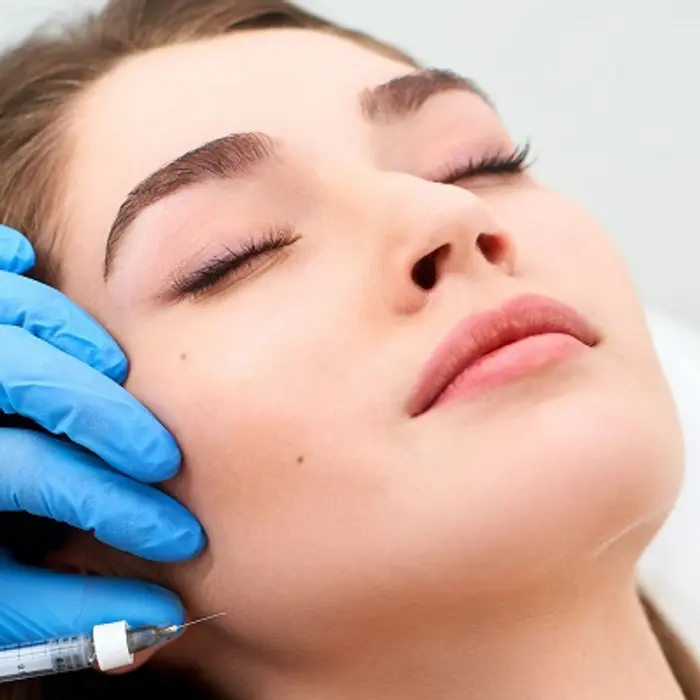
2. Injection Sites: Botox is injected into multiple points along the forehead, temples, back of the head, and neck muscles. Each site receives a small amount of the neurotoxin.
3. Duration: The procedure usually takes 10–20 minutes and does not require anesthesia.
4. Recovery: Most patients resume normal activities immediately. Mild side effects such as localized pain, bruising, or temporary neck stiffness may occur but are generally short-lived.
How Effective Is Botox for Frequent Migraine Sufferers?
Clinical studies have consistently shown that Botox can significantly reduce the number of migraine days in chronic sufferers. Some key points include:
Frequency Reduction: Many patients experience a reduction of 50% or more in monthly migraine days.
Improved Quality of Life: Fewer migraine days often result in better sleep, enhanced focus, and improved emotional well-being.
Cumulative Benefits: Repeated treatments every 12 weeks can continue to provide ongoing relief, often enhancing results over time.
It’s important to note that Botox is a preventive treatment rather than a cure. Patients usually require ongoing injections every 12 weeks to maintain the benefits.
Potential Side Effects
Botox is generally considered safe, but patients should be aware of possible side effects, which are usually mild and temporary:
Pain or bruising at injection sites
Temporary neck stiffness or weakness
Headache shortly after injection
Rarely, drooping eyelids or flu-like symptoms
Individuals with certain medical conditions, such as neuromuscular disorders, or those who are pregnant or breastfeeding may need to avoid Botox. A thorough consultation helps ensure the treatment is appropriate.
Integrating Botox with Other Migraine Management Strategies
Botox can be part of a broader migraine management plan for frequent sufferers. Combining it with lifestyle changes and preventive strategies can enhance results:
Stress Management: Meditation, yoga, or mindfulness techniques help reduce migraine triggers.
Sleep Hygiene: Maintaining consistent sleep patterns can prevent attacks.
Diet and Hydration: Avoiding specific trigger foods and staying hydrated can reduce the frequency of migraines.
Trigger Management: Identifying environmental or lifestyle triggers helps prevent attacks.
By addressing both biological and lifestyle factors, patients often see better results and improved long-term outcomes.
FAQs About Botox for Migraine in Muscat
1. How soon will I notice results?
Most patients start seeing improvement within 2–4 weeks, with maximum benefits often after the second or third treatment cycle.
2. How often are injections needed?
Treatments are typically repeated every 12 weeks to maintain results.
3. Can Botox completely stop migraines?
Botox is preventive and reduces the frequency and intensity of attacks but does not provide a permanent cure.
4. Is the procedure painful?
Most patients report only mild discomfort at injection sites, similar to a quick pinch.
5. Are there any long-term side effects?
Long-term use is generally considered safe when administered properly, with side effects typically being mild and temporary.
6. Can Botox be combined with other migraine treatments?
Yes, Botox can be used alongside other preventive medications and lifestyle strategies to maximize relief.
Conclusion
For frequent migraine sufferers, Botox for migraine in Muscat offers a scientifically supported, preventive approach that can significantly improve quality of life. By targeting nerve pathways and muscle tension, Botox reduces the frequency and severity of chronic migraines, helping patients regain control over their daily activities.
While it is not a cure, Botox provides a meaningful solution for those whose lives are impacted by frequent migraine attacks. When combined with lifestyle management and preventive strategies, it can become a cornerstone of an effective long-term migraine treatment plan, offering relief and hope to chronic sufferers.



;)