Enfield Royal Clinic Oman

 Home
Home  About Enfield Royal Clinic Oman
  Treatments
  Make An Enquiry





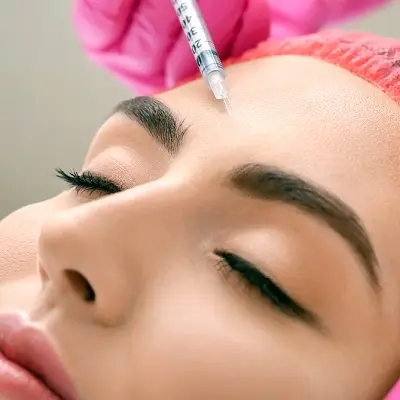
Botox for Migraine: Realistic Expectations for Relief
Posted On Nov 26, 2025Discover how Botox for migraine can reduce headache frequency, ease pain, and improve quality of life with targeted, effective treatments.
Living with chronic migraines can be exhausting, unpredictable, and life-interrupting. Many people spend years searching for a treatment that finally brings relief. Among the available options, Botox for Migraine has become an increasingly popular choice for those dealing with chronic symptoms. While Botox is widely known for smoothing fine lines, its medical use for migraine prevention has offered hope for many.
Still, it’s important for anyone considering this treatment to understand what Botox can—and cannot—realistically deliver. This guide explains how it works, what results to expect, how long it takes to notice changes, and common questions people have before starting treatment.
Understanding Botox for Migraine
Botox for migraine refers to the use of onabotulinumtoxinA injections to help prevent chronic migraines. It is typically recommended for individuals who experience 15 or more headache days per month, with at least eight of those days involving migraine symptoms.
The treatment is preventive rather than reactive. That means Botox won’t stop a migraine that has already started, but it may reduce how often migraines occur and may decrease their intensity over time.
How Botox Helps Reduce Migraine Frequency
Botox works by blocking the release of certain neurotransmitters involved in pain signaling. When injected into specific areas of the head and neck, it helps interrupt the communication between nerves and muscles involved in migraine activation.
The injections target muscle groups commonly associated with migraine tension or nerve irritation, such as the forehead, temples, neck, and shoulders. Over time, this may:
Reduce the frequency of migraine days
Decrease their severity
Lessen muscle tightness that contributes to headache patterns
Minimize migraine triggers linked to nerve sensitivity
Although the exact migraine-relief mechanism is still being studied, many people report meaningful improvements after consistent treatment.
What Are Realistic Expectations for Relief?
When trying Botox for migraine, setting realistic expectations is essential. While some people experience major improvements, Botox isn’t a miracle cure—and results vary from person to person.
Expect Gradual Progress, Not Instant Results
Botox does not provide same-day or immediate migraine relief. Most people begin noticing improvement within 2 to 6 weeks after injections. Some individuals require more than one treatment cycle to see meaningful changes, and improvement often builds gradually.
Many Experience Reduced Migraine Days—but Not Zero
For most individuals, Botox reduces the number of migraine days per month rather than eliminating migraines entirely. Clinical experiences show that many people see a significant reduction in migraine frequency, but complete disappearance of headaches is less common.
For example, someone who previously experienced 20 migraine days a month might see those reduced to 10 or fewer after several treatment cycles.
Results Often Improve Over Time
Botox for migraine is typically given every 12 weeks, and benefits can increase with repeated sessions. Many people report the best results after their second or third round.
Consistency is key. Skipping or delaying sessions may reduce effectiveness.
Migraine Intensity May Decrease
In addition to fewer migraine days, many individuals notice that their attacks become:
Less intense
Shorter in duration
Easier to manage with medication
Less disruptive to daily life
For some, this improvement alone can dramatically enhance quality of life.
What the Treatment Process Looks Like
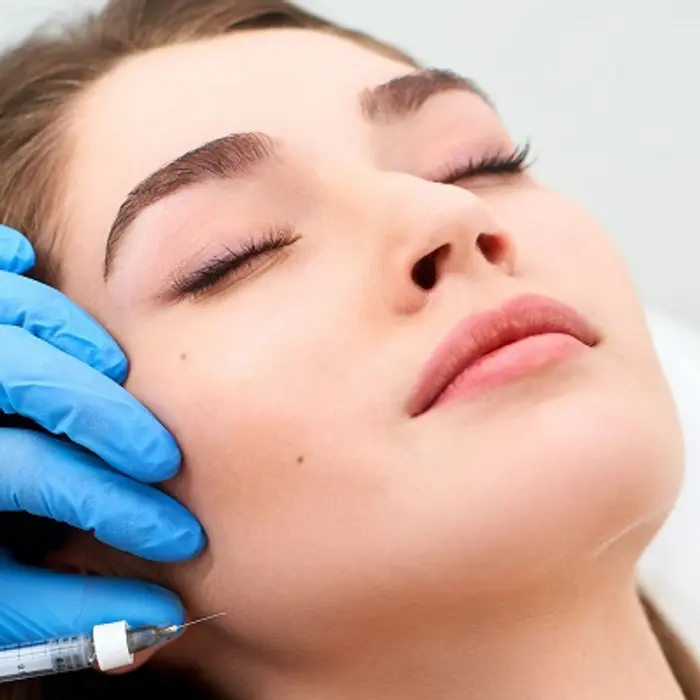
A typical Botox for migraine session takes about 10 to 15 minutes. A healthcare provider injects small amounts of Botox into targeted points around the head, neck, and shoulders.
Most people describe the sensation as mild pinching or pressure, and there is typically no downtime after the procedure. Normal activities can usually resume immediately.
Minor soreness, tenderness, or bruising at injection sites may occur but is temporary. Serious side effects are rare.
How Long the Benefits Last
The relief from Botox usually lasts around 12 weeks, which is why ongoing sessions are scheduled at this interval. Some people find the effects begin to wear off sooner, while others experience longer-lasting benefits.
Most providers recommend evaluating progress after 2 to 3 sessions to determine whether Botox is an effective long-term option.
Who Is Most Likely to Benefit?
Botox for migraine tends to work best for:
People with chronic migraine (15+ headache days per month)
Those who have not responded well to oral preventive medications
Individuals whose migraines are linked to muscle tension
People seeking a preventive, long-term approach to migraine management
It may not be ideal for individuals with infrequent migraine episodes or certain neuromuscular conditions. A consultation with a trained medical professional is important to determine suitability.
Potential Side Effects to Keep in Mind
While Botox is generally considered safe, understanding possible side effects helps set realistic expectations:
Common temporary side effects may include:
Mild swelling or bruising at injection sites
Neck stiffness
Headache
Feeling of tightness in the forehead or scalp
Fatigue
Less common side effects may include:
Eyelid drooping
Muscle weakness in the neck
Flu-like symptoms
Most side effects are mild and resolve within days. Severe reactions are rare but should be promptly discussed with a healthcare provider if they occur.
Tips for Getting the Most Out of Botox Treatment
Botox works best when combined with a proactive migraine-management approach. Individuals may maximize results by:
Keeping a migraine diary to track triggers and improvements
Maintaining a regular sleep routine
Staying hydrated
Managing stress levels
Avoiding known migraine triggers such as certain foods or environmental factors
Being consistent with scheduled Botox sessions
Discussing other preventive options with a healthcare provider
Botox is only one part of a broader migraine-management strategy, and it often works best when used alongside healthy lifestyle habits or other prescribed treatments.
Frequently Asked Questions
1. How soon can someone expect results from Botox for migraines?
Most people begin noticing changes within 2 to 6 weeks after treatment, although full benefits may take several sessions.
2. Will Botox completely stop migraines?
Botox rarely eliminates migraines entirely. Instead, it helps reduce the number of migraine days and the intensity of symptoms.
3. How often are treatments needed?
Botox for migraine is typically administered every 12 weeks to maintain effective results.
4. Does the procedure hurt?
Most individuals describe the injections as small pinches or brief stings. Discomfort is usually mild and temporary.
5. Can Botox be combined with other migraine medications?
Yes. Many people use Botox alongside oral preventive medications or acute migraine treatments, but this should always be discussed with a healthcare provider.
6. Who should avoid Botox for migraine?
People with certain neuromuscular conditions, allergies to botulinum toxin, or those who are pregnant or breastfeeding should avoid treatment unless a healthcare provider advises otherwise.
Final Thoughts
Botox for migraine has become a valuable tool for many individuals seeking relief from chronic migraine symptoms. While it may not completely eliminate migraines, it often leads to meaningful reductions in frequency, intensity, and disruption to daily life. The key to success is maintaining realistic expectations, understanding that results are gradual, and committing to consistent treatment sessions.
With the right guidance and a clear understanding of what Botox can offer, many people find that it becomes an important part of gaining better control over their chronic migraines and improving their overall quality of life.



;)