Enfield Royal Clinic Oman

 Home
Home  About Enfield Royal Clinic Oman
  Treatments
  Make An Enquiry






Botox Injections and Migraines: How It Can Help
Posted On Oct 28, 2025Smooth wrinkles and rejuvenate your appearance with safe, professional Botox injections. Achieve a youthful, refreshed look with minimal downtime.
For years, Botox has been widely known for its cosmetic benefits—smoothing wrinkles, softening fine lines, and giving the skin a youthful glow. But beyond its aesthetic uses, Botox has also proven to be an effective medical treatment for several conditions, including chronic migraines. Many people who suffer from frequent headaches are turning to the Best Botox Injections in Muscat as a safe and reliable solution for long-term relief.
This article explores how Botox helps with migraines, how the treatment works, and what to expect before and after getting Botox injections for this condition.
Understanding Migraines
Migraines are more than just headaches—they’re a complex neurological condition that can cause severe throbbing pain, nausea, sensitivity to light, and even visual disturbances. For some individuals, migraine attacks can last anywhere from several hours to a few days, often disrupting daily routines and reducing quality of life.
Chronic migraines are typically defined as experiencing headaches for 15 or more days per month, with at least eight of those being full-blown migraine attacks. While lifestyle changes and medication can help manage symptoms, not all patients respond well to traditional treatments. That’s where Botox injections have shown remarkable results as an alternative approach.
How Botox Works for Migraines
It might seem surprising that the same treatment used for reducing wrinkles can also relieve headaches, but the mechanism behind it is fascinating. Botox (botulinum toxin type A) works by blocking the release of certain chemicals from nerve endings that transmit pain signals to the brain.
When injected into specific areas of the head and neck, Botox helps to relax overactive muscles and reduce the sensitivity of pain pathways. This, in turn, prevents the onset of migraine attacks or lessens their intensity and frequency.
In 2010, the U.S. Food and Drug Administration (FDA) officially approved Botox as a preventive treatment for chronic migraines, following extensive clinical research showing its effectiveness and safety.
The Botox Treatment Process for Migraines
1. Consultation and Evaluation
Before beginning treatment, individuals undergo a detailed consultation with a qualified medical professional. The provider evaluates the patient’s migraine history, frequency of attacks, and overall health to determine if Botox is suitable.
2. Injection Procedure
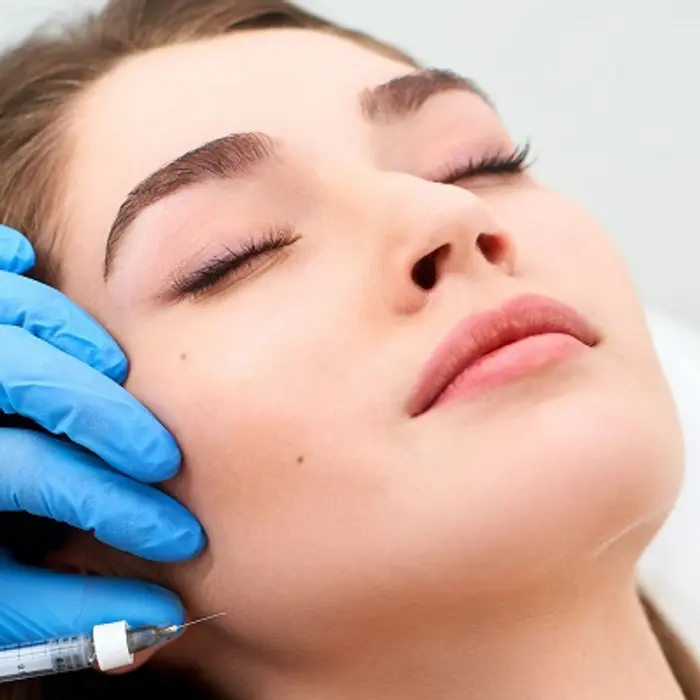
During the procedure, small doses of Botox are injected into specific points across the head, neck, and shoulders. Common injection sites include:
The forehead
Temples
Back of the head
Neck and upper shoulders
On average, about 30–40 tiny injections are administered in a single session. The process takes roughly 15–30 minutes and involves minimal discomfort. Most patients describe the sensation as a small pinch rather than pain.
3. Aftercare and Recovery
After treatment, patients can typically resume normal activities almost immediately. Some might experience mild tenderness or redness at the injection sites, which usually subsides within a day.
Results are not immediate—it usually takes about 2 to 4 weeks before migraine symptoms begin to improve. Many patients notice a significant reduction in the frequency and severity of attacks after the second or third treatment session.
How Often Should You Get Botox for Migraines?
For best results, Botox injections for migraines are typically administered every 12 weeks. The effects gradually wear off as the body metabolizes the toxin, so maintaining regular treatments ensures continuous relief.
Over time, many individuals find that the intensity and number of migraine days decrease significantly, and some may even experience longer-lasting relief between sessions.
Benefits of Botox for Migraine Relief
1. Prevents Rather Than Treats
Unlike typical painkillers that treat symptoms after a migraine starts, Botox works as a preventive treatment. It helps reduce the frequency of attacks, making it easier to manage daily life.
2. Minimal Downtime
Botox treatment is non-surgical, quick, and requires virtually no recovery time, allowing individuals to return to their routine immediately after the session.
3. Safe and Well-Tolerated
When administered correctly, Botox is considered safe with minimal side effects. It has been clinically tested and approved for long-term use in managing chronic migraines.
4. Improved Quality of Life
Many patients report better sleep, higher energy levels, and reduced anxiety after starting Botox treatments due to the significant decrease in migraine frequency.
5. Dual Benefits
In addition to headache relief, Botox can also smooth facial lines and create a refreshed appearance—making it a popular choice among individuals seeking both medical and cosmetic benefits.
Possible Side Effects and Risks
While Botox is generally safe, some mild and temporary side effects may occur, including:
Slight pain or redness at the injection site
Mild headache or neck discomfort after treatment
Temporary drooping of the eyelids (rare)
Flu-like symptoms in some cases
These effects usually resolve on their own within a few days. To minimize risks, it’s important to receive the best Botox injections in Muscat from licensed and experienced professionals who understand facial anatomy and proper injection techniques.
Who Can Benefit from Botox for Migraines?
Botox is primarily recommended for individuals who:
Experience chronic migraines (15 or more headache days per month)
Have tried traditional medications without sufficient relief
Are looking for a safe, preventive, and long-term migraine management option
However, Botox is not suitable for everyone. Pregnant or breastfeeding women, as well as individuals with certain neuromuscular disorders, should avoid this treatment unless advised otherwise by a healthcare provider.
What to Expect in Terms of Results
Results from Botox vary among individuals, but studies show that most patients experience:
Up to 50% fewer migraine days after two to three sessions
Less reliance on daily pain medications
Noticeable improvement in overall comfort and productivity
For many, the treatment offers a renewed sense of freedom—being able to plan days without worrying about the next migraine attack.
FAQs About Botox and Migraines
1. How long does it take for Botox to start working for migraines?
It usually takes about 2 to 4 weeks to notice a reduction in migraine frequency, with full results appearing after several sessions.
2. Is Botox for migraines painful?
The injections are done with very fine needles, and most people experience only minor discomfort, often described as a quick pinch.
3. Can Botox completely cure migraines?
Botox doesn’t cure migraines but significantly reduces their frequency, duration, and severity for many individuals.
4. Are there any serious side effects?
Serious side effects are rare. Mild swelling or tenderness at injection sites is common and temporary. Always ensure treatment is performed by a qualified professional.
5. How often do I need Botox for migraines?
Most patients receive Botox injections every 12 weeks. Regular sessions help maintain consistent results and prevent migraine recurrence.
6. Can Botox for migraines also reduce wrinkles?
Yes, one of the added benefits of Botox is that it can smooth facial lines while relieving migraine pain—offering both medical and cosmetic advantages.
Conclusion
For those who suffer from chronic migraines, living with constant pain and unpredictability can be exhausting. Fortunately, the best Botox injections in Muscat provide an effective, FDA-approved solution that not only eases symptoms but also helps prevent future attacks.
Botox’s ability to block pain signals, relax tense muscles, and minimize headache frequency has made it a game-changer in migraine treatment. With minimal downtime, proven safety, and lasting results, it’s an excellent option for individuals seeking long-term relief and a better quality of life.
By consulting a qualified professional and maintaining a consistent treatment schedule, many people have found that Botox offers more than just smoother skin—it delivers freedom from the debilitating grip of chronic migraines.

;)