Enfield Royal Clinic Oman

 Home
Home  About Enfield Royal Clinic Oman
  Treatments
  Make An Enquiry





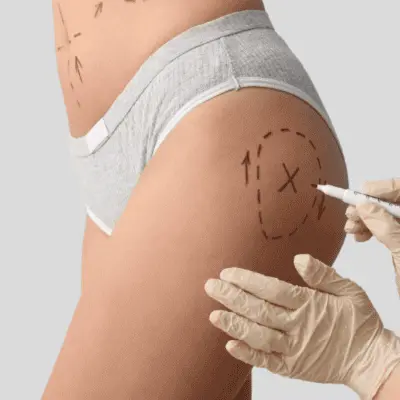
Can Buttock Augmentation Be Reversed or Adjusted Later?
Posted On Nov 1, 2025Enhance body contour and achieve fuller, shapelier curves with buttock augmentation. Learn about procedure options, recovery, risks, and results.
Buttock augmentation is a popular cosmetic procedure for individuals seeking a fuller, lifted, and more contoured appearance. With the growing interest in the Best Buttock Augmentation in Muscat, many people are curious about the long-term flexibility of these procedures. A common question is whether buttock augmentation can be reversed or adjusted if patients are unhappy with their results or if their body changes over time.
Understanding the possibilities for adjustment or reversal, the differences between procedures, and what to expect during revision procedures is essential for anyone considering buttock enhancement.
Understanding Buttock Augmentation
Buttock augmentation is designed to enhance the shape, volume, and symmetry of the buttocks. The two main methods are:
Fat Transfer (Brazilian Butt Lift): Fat is harvested from other parts of the body and injected into the buttocks to enhance volume and contours.
Implant-Based Augmentation: Silicone implants are inserted under or within the gluteal muscles to create a fuller, more defined shape.
Both methods can provide natural-looking results, but they differ in how easily they can be adjusted or reversed.
When Might Reversal or Adjustment Be Necessary?
Several scenarios may lead patients to consider reversing or adjusting their buttock augmentation:
Unsatisfactory Aesthetic Results: Some patients may feel the buttocks are too large, too small, or uneven.
Complications or Discomfort: Rarely, issues such as implant displacement, asymmetry, or fat absorption may require corrective procedures.
Body Changes Over Time: Weight fluctuations, aging, or changes in muscle tone can alter the appearance of augmented buttocks, leading some individuals to seek adjustments.
Personal Preference: Preferences and goals can evolve over time, and patients may choose to modify their augmentation to align with new aesthetic desires.
Adjusting Fat Transfer Buttock Augmentation
Fat transfer procedures, such as the Brazilian Butt Lift, are generally less invasive and rely on the patient’s own fat. While they are largely considered permanent, not all transferred fat survives. Over time, some resorption can occur, which may naturally reduce volume.
Adjustment options for fat transfer include:
Additional Fat Grafting: Patients can undergo another fat transfer session to increase volume, correct asymmetry, or improve shape.
Liposuction of Donor Areas: If too much volume was transferred or unevenness occurs, liposuction in specific areas can help refine the contour.
It is important to note that fat transfer adjustments are gradual and rely on the patient’s available fat reserves. Multiple sessions may be necessary to achieve the desired outcome.
Adjusting or Reversing Implant-Based Buttock Augmentation
Implant-based buttock augmentation provides a more predictable and consistent volume, but implants can be adjusted or removed if needed.
Adjustment Options Include:
Implant Replacement: If the size or shape of the implant is unsatisfactory, it can be replaced with a different size or type to better achieve the desired appearance.
Implant Removal: Implants can be removed entirely, though the buttocks may appear smaller or less lifted afterward. Some patients choose to combine removal with fat transfer to maintain volume naturally.
Implant Revision Surgery: In cases of displacement, asymmetry, or complications, surgical revision can correct the implant position or shape.
It is important to work with a qualified professional for adjustments or reversals, as improper handling can affect tissue integrity and healing.
Recovery from Revision or Adjustment Procedures
Recovery depends on the type and extent of the adjustment. Fat transfer adjustments usually involve minor swelling and tenderness, with a shorter recovery period compared to initial augmentation.
Implant revision or removal is more invasive, with a recovery process similar to the original surgery. Patients may experience swelling, bruising, and temporary discomfort. Compression garments and careful post-operative care are essential for achieving optimal results.
Factors to Consider Before Adjusting or Reversing
Before deciding on a revision or reversal, patients should consider several key factors:
Health Status: Overall health affects healing and outcomes, especially for surgical revisions.
Desired Outcome: Clear communication of goals ensures the procedure is tailored to meet expectations.
Timing: Allowing sufficient time after the initial augmentation ensures tissues have healed fully, reducing the risk of complications.
Procedure Type: The original method of augmentation (fat transfer vs. implants) influences the type of adjustments possible.
Realistic Expectations: Understanding that adjustments may not perfectly replicate natural tissue or initial results is essential.
FAQs About Adjusting or Reversing Buttock Augmentation
Can all buttock augmentations be reversed?
Yes, both fat transfer and implants can be adjusted or reversed, though the approach and complexity vary depending on the method.
Is it safe to have a second augmentation or revision?
Yes, when performed by experienced professionals, revision procedures are generally safe, but patients should follow all pre- and post-operative guidelines.
How long should I wait before considering an adjustment?
It is recommended to wait several months after the initial procedure to allow swelling to subside and tissues to stabilize before making adjustments.
Will my buttocks look natural after reversal?
Natural appearance after reversal depends on the method. Fat transfer revisions usually integrate smoothly with existing tissue, while implant removal may require additional contouring for a natural look.
Are there risks to reversing buttock implants?
As with any surgery, risks include infection, scarring, or changes in tissue shape. Working with experienced professionals minimizes these risks.
Can fat transfer volume be reduced if it is too large?
Yes, targeted liposuction can reduce unwanted volume, and additional fat transfer can balance contour if necessary.
Conclusion
Buttock augmentation, whether through fat transfer or implants, offers individuals a chance to enhance their curves and boost confidence. For those seeking the Best Buttock Augmentation in Muscat, it is reassuring to know that adjustments or reversals are possible if results are unsatisfactory or if body changes occur over time.
While fat transfer allows for gradual refinements and additional sessions, implants offer predictable options for revision or removal. Recovery and outcomes vary depending on the procedure type, and careful planning, realistic expectations, and professional guidance are essential.
By understanding the possibilities for adjustment and reversal, patients can approach buttock augmentation with confidence, knowing they have options to maintain or modify their results in the future.






;)