Enfield Royal Clinic Oman

 Home
Home  About Enfield Royal Clinic Oman
  Treatments
  Make An Enquiry





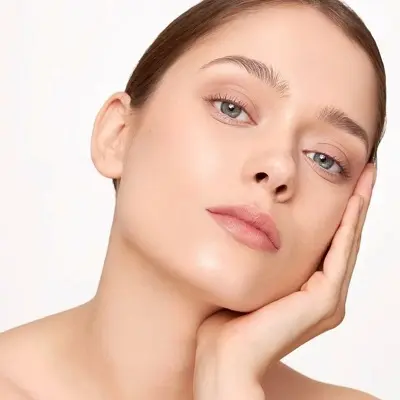
Can Glutathione Injections Treat Hyperpigmentation?
Posted On Dec 3, 2025Smooth wrinkles and rejuvenate your appearance with Dysport injections. Safe, quick, and effective treatment for a youthful, natural look.
Hyperpigmentation is a common skin concern that affects people of all ages and skin types. From dark spots caused by sun exposure to post-inflammatory hyperpigmentation following acne, these uneven patches can impact self-confidence and overall skin appearance. Among the many treatments available, Glutathione Injections have recently gained popularity as a potential solution. But can they really help lighten the skin and treat hyperpigmentation effectively? This article explores the science, benefits, and considerations of glutathione injections.
What Is Glutathione?
Glutathione is a naturally occurring antioxidant in the human body. It is composed of three amino acids: glutamine, cysteine, and glycine. Its primary role is to protect cells from oxidative stress by neutralizing free radicals, which can damage skin cells and contribute to premature aging and pigmentation issues.
In addition to its antioxidant properties, glutathione is involved in detoxification processes, supporting liver function, and maintaining a healthy immune system. Because of its impact on melanin production, glutathione has been studied for its potential skin-brightening and hyperpigmentation-reducing effects.
How Does Hyperpigmentation Develop?
Hyperpigmentation occurs when the skin produces excess melanin, the pigment responsible for skin color. Various factors can trigger this overproduction, including:
Sun Exposure: Ultraviolet (UV) rays stimulate melanocytes, leading to dark spots and freckles.
Hormonal Changes: Pregnancy or hormonal therapies can cause melasma, a type of hyperpigmentation.
Inflammation: Skin injuries, acne, or eczema may leave behind dark marks known as post-inflammatory hyperpigmentation.
Aging: Age spots, also called liver spots, are common in mature skin due to cumulative sun exposure.
Since melanin overproduction is central to hyperpigmentation, treatments often target this process to achieve a more even skin tone.
How Glutathione Injections Work for Hyperpigmentation
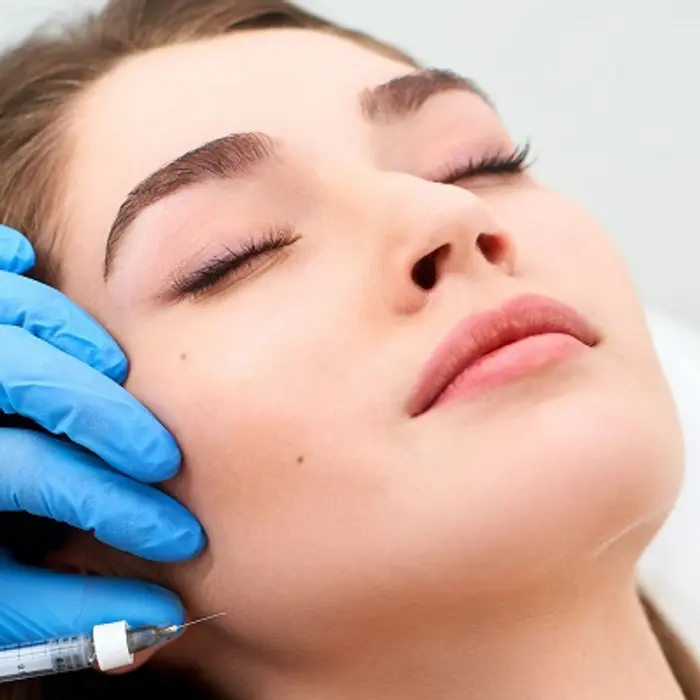
Glutathione injections are a form of intravenous or intramuscular therapy that delivers concentrated glutathione directly into the bloodstream. The idea behind using glutathione for hyperpigmentation revolves around its effect on melanin synthesis.
Melanin exists in two forms: eumelanin (dark brown/black pigment) and pheomelanin (light yellow/red pigment). Glutathione can influence melanin production by:
Inhibiting Tyrosinase Activity: Tyrosinase is an enzyme essential for melanin production. Glutathione may reduce its activity, resulting in less melanin formation.
Shifting Melanin Type: Some studies suggest glutathione may promote the conversion of eumelanin (darker pigment) into pheomelanin (lighter pigment), potentially leading to a lighter skin tone.
Reducing Oxidative Stress: By neutralizing free radicals, glutathione protects skin cells from damage that can trigger uneven pigmentation.
While the mechanism is promising, the effectiveness of glutathione injections for hyperpigmentation can vary depending on individual factors like skin type, lifestyle, and underlying conditions.
Potential Benefits of Glutathione Injections
Skin Brightening: Regular glutathione injections may result in a gradual lightening of the skin tone, providing a more radiant complexion.
Reduction of Dark Spots: Targeting melanin production may help fade hyperpigmented areas, including age spots, sunspots, and post-acne marks.
Antioxidant Support: Besides skin benefits, glutathione supports overall health by protecting cells from oxidative stress.
Detoxification: Improved liver function through glutathione supplementation may indirectly support clearer, healthier-looking skin.
Skin Brightening: Regular glutathione injections may result in a gradual lightening of the skin tone, providing a more radiant complexion.
Reduction of Dark Spots: Targeting melanin production may help fade hyperpigmented areas, including age spots, sunspots, and post-acne marks.
Antioxidant Support: Besides skin benefits, glutathione supports overall health by protecting cells from oxidative stress.
Detoxification: Improved liver function through glutathione supplementation may indirectly support clearer, healthier-looking skin.
Considerations and Limitations
While glutathione injections are often marketed as a miracle solution for hyperpigmentation, there are several considerations to keep in mind:
Individual Response Varies: Not everyone experiences noticeable results. Genetics, lifestyle, and baseline skin tone influence outcomes.
Temporary Effects: Skin brightening from glutathione may not be permanent. Maintenance injections are often recommended to sustain results.
Limited Clinical Evidence: Although studies suggest glutathione can affect melanin production, comprehensive clinical trials are still limited.
Potential Side Effects: Injections can cause mild side effects such as redness, swelling at the injection site, or gastrointestinal disturbances if administered intravenously. Rarely, allergic reactions may occur.
Not a Complete Solution: For some types of hyperpigmentation, like melasma or deep post-inflammatory marks, additional treatments such as topical agents, chemical peels, or laser therapy may be necessary.
Alternatives and Complementary Treatments
For those considering glutathione injections, combining them with other skin care strategies may enhance results:
Topical Skin-Lightening Agents: Ingredients like vitamin C, niacinamide, or licorice extract can complement glutathione’s effects.
Sun Protection: Daily sunscreen is essential to prevent further hyperpigmentation and protect the skin.
Healthy Lifestyle: A balanced diet rich in antioxidants, hydration, and regular exercise supports skin health.
Professional Treatments: Chemical peels, microdermabrasion, and laser therapy can target stubborn dark spots effectively when combined with glutathione therapy.
FAQs About Glutathione Injections and Hyperpigmentation
1. How long does it take to see results from glutathione injections?
Results vary, but most people notice gradual skin brightening and reduction in pigmentation after 4 to 12 weeks of consistent treatments.
2. Are glutathione injections safe?
Generally, they are considered safe when administered properly. However, mild side effects may occur, and rare allergic reactions are possible. Consulting with a healthcare professional before starting therapy is recommended.
3. Can glutathione injections lighten the entire body or just specific areas?
Glutathione affects the skin systemically, meaning it can influence the overall complexion. However, the degree of lightening may vary depending on genetics and individual melanin distribution.
4. How often should glutathione injections be taken for hyperpigmentation?
Frequency depends on the protocol, but many regimens involve weekly or bi-weekly sessions. Maintenance sessions may be needed to sustain results.
5. Can glutathione injections treat melasma effectively?
While glutathione may help lighten the skin, melasma is often persistent and may require a combination of treatments such as topical therapies and strict sun protection.
6. Are there any natural ways to boost glutathione levels?
Yes, consuming foods rich in sulfur (like garlic, broccoli, and spinach) or taking oral supplements containing N-acetylcysteine (NAC) can support the body’s natural glutathione production.
7. Will glutathione injections work for all skin types?
They can have effects across different skin types, but results may be more noticeable in lighter skin tones. Darker skin tones may see gradual, subtle improvements rather than dramatic lightening.
Conclusion
Glutathione injections are a promising option for individuals looking to improve hyperpigmentation and achieve a brighter complexion. By reducing melanin production and supporting overall antioxidant defenses, glutathione may help fade dark spots and even out skin tone. However, it is important to approach this treatment with realistic expectations. Results can vary, effects may be temporary, and it works best when combined with proper skincare, sun protection, and a healthy lifestyle. For those exploring safe and effective ways to manage hyperpigmentation, glutathione injections offer a compelling option worth considering.


;)