Enfield Royal Clinic Oman

 Home
Home  About Enfield Royal Clinic Oman
  Treatments
  Make An Enquiry





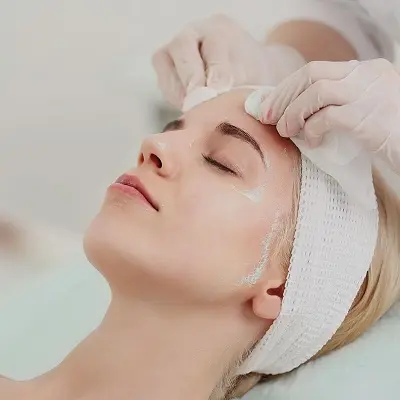
Can Peptides Treatment Be Combined With Other Skincare?
Posted On Dec 1, 2025Discover the benefits of peptides for health, fitness, and skincare. Learn how these amino acid chains support muscle growth, anti-aging, and overall wellness.
In the ever-evolving world of skincare, Peptides Treatment has become a popular choice for those seeking firmer, smoother, and more youthful-looking skin. Known for their ability to stimulate collagen production and enhance skin repair, peptides are considered a gentle yet effective ingredient for a wide range of skin concerns. However, many people wonder whether peptides can be safely combined with other skincare products to maximize results. This article explores the compatibility of peptides with variousskincare treatments and how to build a harmonious routine around them.
What Are Peptides and Why Are They Important?
Peptides are short chains of amino acids that serve as the building blocks of proteins in the body. In skincare, they act as signaling molecules that instruct skin cells to perform specific functions, such as producing collagen, elastin, or other essential proteins. By encouraging the skin’s natural regenerative processes, peptides can help improve firmness, reduce the appearance of fine lines, and enhance overall skin texture.
Unlike some powerful active ingredients, peptides are generally mild, making them suitable for sensitive skin and safe to use alongside many other products.
Can Peptides Be Used With Retinol?
Retinol is one of the most widely recognized anti-aging ingredients, known for its ability to accelerate cell turnover and stimulate collagen production. When used together with peptides, these two ingredients can complement each other effectively.
How They Work Together: Peptides signal the skin to produce collagen, while retinol speeds up skin renewal. This combination can result in firmer, smoother skin with reduced fine lines over time.
Best Practices: Since retinol can sometimes cause irritation, it is advisable to use peptides either in the morning and retinol at night or layer peptides first, allowing them to absorb before applying retinol.
Combining Peptides With Hyaluronic Acid
Hyaluronic acid is a hydration powerhouse, attracting water to the skin and plumping it from within. Peptides and hyaluronic acid work harmoniously because:
Peptides stimulate the production of collagen, enhancing skin structure.
Hyaluronic acid retains moisture, keeping the skin plump and supple.
Together, they can improve both the appearance and feel of the skin, making it look more youthful and refreshed. This combination is safe for all skin types, including sensitive skin.
Using Peptides With Vitamin C
Vitamin C is a potent antioxidant that brightens the skin, protects against environmental stressors, and supports collagen production. When paired with peptides:
Vitamin C protects the skin from oxidative damage and helps build collagen.
Peptides signal the skin to produce more collagen and strengthen skin barriers.
This duo is particularly effective for improving skin tone, reducing dark spots, and enhancing overall radiance. To prevent irritation, it is recommended to apply vitamin C in the morning and peptides in the evening, or use a gentle formulation that allows both to coexist in the same routine.
Can Peptides Be Combined With Exfoliating Acids?
Exfoliating acids such as alpha hydroxy acids (AHAs) and beta hydroxy acids (BHAs) remove dead skin cells and promote cell turnover. When combining peptides with these acids, timing and order of application are crucial:
Apply exfoliating acids first to clear the skin surface and allow better penetration of peptides.
Follow with peptides to support collagen production and skin repair.
This combination can enhance the effectiveness of both products while minimizing potential irritation. For sensitive skin, alternating days of peptide and acid use may be preferable.
Layering Peptides With Moisturizers and Sunscreens
Peptides are compatible with most moisturizers and sunscreens, making them easy to incorporate into daily skincare routines:
Moisturizers: Applying peptides before a moisturizer can help seal in the active ingredients and improve skin hydration.
Sunscreens: Daily sun protection is essential for maintaining the benefits of peptide treatments, as UV damage can break down collagen and compromise skin health.
Combining peptides with proper hydration and sun protection ensures the skin remains healthy, firm, and resilient.
Tips for Building a Skincare Routine With Peptides
When incorporating peptides treatment into a broader skincare routine, consider the following tips:
Start Simple: Begin with a peptide serum or cream and gradually introduce other active ingredients to monitor how your skin reacts.
Layer Correctly: Apply products from thinnest to thickest consistency. Peptides are usually lightweight, so they should be applied before heavier creams or oils.
Avoid Overloading: While peptides are mild, combining too many potent actives (like strong retinol, high-concentration acids, or vitamin C) at once can irritate the skin.
Consistency Is Key: Peptides work gradually over time. Regular use is more effective than occasional application.
Observe Your Skin: Adjust the routine based on your skin’s response. Redness, dryness, or irritation may indicate the need to space out certain actives.
FAQs About Peptides Treatment and Skincare Combination
1. Are peptides compatible with all skincare products?
Peptides are generally mild and compatible with most skincare ingredients, including hyaluronic acid, moisturizers, and sunscreens. Caution is advised when combining them with strong actives like retinol or exfoliating acids.
2. Can peptides be used in the morning and evening?
Yes, peptides can be used both in the morning and evening. Layering with other actives may require adjusting the timing to minimize irritation.
3. How long does it take to see results from peptides?
Visible improvements, such as smoother skin and reduced fine lines, usually appear after 4-8 weeks of consistent use.
4. Can peptides replace other anti-aging treatments?
Peptides complement other treatments but do not necessarily replace them. Combining peptides with ingredients like retinol, vitamin C, and hyaluronic acid can enhance overall results.
5. Are peptides safe for sensitive skin?
Yes, peptides are typically gentle and well-tolerated by sensitive skin, though patch testing any new product is always recommended.
6. Should peptides be applied before or after other serums?
Peptides should be applied after water-based serums but before heavier creams or oils. This ensures maximum absorption and effectiveness.
Conclusion
Peptides treatment is a versatile and effective addition to any skincare routine. Its ability to stimulate collagen production and support skin repair makes it a valuable ally in the fight against aging, fine lines, and dullness. When combined thoughtfully with other skincare ingredients—such as retinol, hyaluronic acid, vitamin C, or exfoliating acids—peptides can amplify the benefits of your routine while remaining gentle and safe for most skin types. By understanding how to layer and integrate peptides into a daily regimen, anyone can achieve healthier, firmer, and more radiant skin over time.



;)