Enfield Royal Clinic Oman

 Home
Home  About Enfield Royal Clinic Oman
  Treatments
  Make An Enquiry





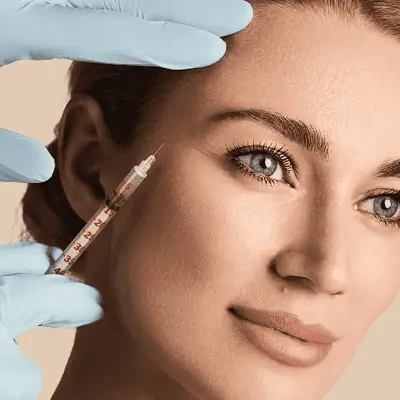
Glutathione Injections for Melasma: Can They Help?
Posted On Oct 31, 2025Discover the benefits of Glutathione Injections for skin brightening, detoxification, and even tone. Learn how these injections support overall wellness and target hyperpigmentation effectively.
Melasma is a common skin condition characterized by brown or grayish-brown patches, usually appearing on the face. It is often triggered by hormonal changes, sun exposure, pregnancy, or certain medications. Managing melasma can be challenging, as the condition tends to recur despite treatment. Recently, Glutathione Injections have emerged as a potential option for individuals seeking a brighter, more even skin tone.
For those considering Glutathione Injections in Oman, it is important to understand how these injections work, their potential effects on melasma, and what to realistically expect. This article provides a comprehensive overview based on scientific insights, patient experiences, and professional guidance.
What Is Melasma?
Melasma occurs when melanocytes—the cells responsible for producing melanin—become overactive. This results in hyperpigmented patches, most commonly on:
Forehead
Cheeks
Upper lip
Chin
Factors contributing to melasma include:
Hormonal fluctuations (e.g., pregnancy, birth control pills)
Sun exposure and UV radiation
Genetic predisposition
Certain medications and cosmetic products
Melasma is benign but can significantly impact self-esteem, making effective management a priority for many individuals.
Understanding Glutathione
Glutathione is a naturally occurring antioxidant found in every cell of the body. Its key functions include:
Neutralizing free radicals
Supporting liver detoxification
Protecting cells from oxidative stress
Promoting overall skin health
Glutathione injections deliver the antioxidant directly into the bloodstream, providing higher bioavailability than oral supplements. This systemic approach allows glutathione to potentially influence melanin production and improve skin tone.
How Glutathione Injections May Affect Melasma
Glutathione injections may help with melasma through several mechanisms:
1. Inhibiting Melanin Production
Glutathione can influence melanocytes to produce pheomelanin (lighter pigment) instead of eumelanin (darker pigment), which may gradually lighten hyperpigmented areas.
2. Antioxidant Protection
UV exposure and oxidative stress exacerbate melasma by damaging melanocytes. Glutathione neutralizes free radicals, reducing further pigment formation and supporting skin health.
3. Enhancing Skin Brightness
By decreasing oxidative stress and regulating melanin synthesis, glutathione may promote a more even and radiant skin tone, which can complement melasma management strategies.
Effectiveness of Glutathione Injections for Melasma
The effectiveness of glutathione injections varies depending on factors such as:
Severity and type of melasma
Skin type and tone
Consistency of treatment
Lifestyle habits, including sun protection
Studies and patient reports suggest that results are gradual. Subtle improvements in skin brightness may appear within 4–6 weeks, while more noticeable changes in pigmentation often require 8–12 weeks of consistent treatment.
Limitations
Glutathione injections are not a permanent cure. Maintenance treatments may be needed to sustain results.
Severe or hormonally triggered melasma may respond more slowly or incompletely.
Sun exposure and UV damage can reduce effectiveness if proper sun protection is not maintained.
Benefits Beyond Skin Lightening
While the primary appeal of glutathione injections for melasma is skin brightening, they also offer broader benefits:
Antioxidant support: Helps combat oxidative stress, which contributes to premature aging and skin damage.
Detoxification support: Assists liver function, aiding the body’s natural detoxification processes.
Overall skin health: Promotes cell repair and can enhance skin vitality and radiance.
These systemic benefits make glutathione injections an appealing option for individuals seeking comprehensive skin and wellness support.
Safety and Considerations
Glutathione injections are generally considered safe when administered by qualified healthcare professionals. Possible mild side effects include:
Temporary redness or swelling at the injection site
Mild fatigue
Occasional headaches
Severe reactions are rare but may occur. Consulting a healthcare provider before starting treatment is important, particularly for individuals with pre-existing medical conditions or those taking medications.
Complementary Measures for Melasma Management
Glutathione injections are most effective when used alongside other preventive and treatment measures:
Sun Protection: Daily use of broad-spectrum sunscreen reduces UV-induced melanin production.
Topical Treatments: Hydroquinone, retinoids, and other depigmenting agents can complement glutathione’s effects.
Healthy Lifestyle: Adequate hydration, balanced nutrition, and avoiding triggers such as hormonal contraceptives when possible.
Gentle Skincare: Avoid harsh scrubs or treatments that can exacerbate pigmentation.
Combining these strategies with glutathione injections increases the likelihood of achieving visible, lasting improvements.
Frequently Asked Questions (FAQs)
1. Can glutathione injections cure melasma?
No, glutathione injections may help lighten pigmentation but are not a permanent cure. Maintenance treatments and sun protection are essential.
2. How long before results appear?
Subtle improvements may be seen in 4–6 weeks, with more noticeable results around 8–12 weeks of consistent treatment.
3. Are injections safe for all skin types?
Yes, glutathione injections are generally safe for most skin types when administered by a qualified professional, though individual response may vary.
4. Can glutathione injections be combined with other treatments?
Yes, they can complement topical creams, chemical peels, and sun protection for enhanced results.
5. Do lifestyle factors affect outcomes?
Absolutely. Sun exposure, diet, hydration, and skincare routines significantly influence the effectiveness of glutathione injections for melasma.
6. Are there any side effects?
Common side effects are mild, including redness, swelling at the injection site, and temporary fatigue. Severe reactions are rare.
Final Thoughts
Glutathione injections offer a promising adjunct for managing melasma, particularly for individuals seeking gradual skin brightening and more even skin tone. By influencing melanin production, providing antioxidant protection, and supporting overall skin health, these injections can complement traditional treatments and preventive measures.
For those considering Glutathione Injections in Oman, consulting a qualified professional ensures safe administration, proper dosage, and realistic expectations. When combined with sun protection, skincare routines, and healthy lifestyle habits, glutathione injections can play a valuable role in a comprehensive melasma management plan.



;)