Enfield Royal Clinic Oman

 Home
Home  About Enfield Royal Clinic Oman
  Treatments
  Make An Enquiry





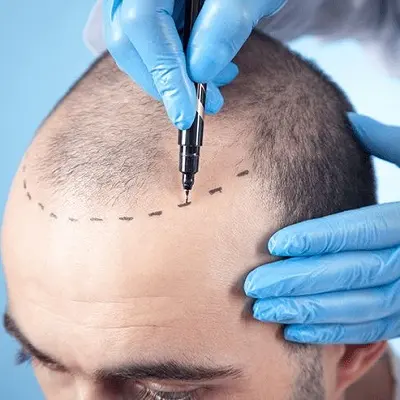
Hair Transplant for Women: Everything You Should Know
Posted On Sep 23, 2025Restore your hair and confidence with advanced hair transplant solutions. Natural results, safe procedures, and lasting growth tailored to you.
Hair loss is often considered a challenge primarily for men, but it is a significant concern for women as well. For many women, thinning hair or noticeable hair loss can impact confidence, self-esteem, and overall quality of life. Thankfully, advances in medical technology have made hair restoration, such as hair transplant procedures, an effective solution for women experiencing hair loss. This article explores everything you should know about hair transplant (زراعة الشعر) for women, from the process and benefits to recovery and considerations.
Understanding Hair Loss in Women
Before diving into hair transplant options, it’s essential to understand why women experience hair loss. Hair thinning in women can be caused by several factors, including hormonal changes, genetics, stress, medical conditions, and nutritional deficiencies. Unlike male-pattern baldness, which typically follows a predictable pattern, female hair loss often presents as diffuse thinning, especially on the top and crown of the scalp.
Identifying the underlying cause of hair loss is crucial before considering a hair transplant. Sometimes, addressing nutritional deficiencies, hormonal imbalances, or medical conditions can reduce or reverse hair thinning without surgical intervention. However, for women with permanent hair loss or those seeking more immediate results, hair transplant procedures provide a reliable solution.
What Is a Hair Transplant?
A hair transplant is a surgical procedure where hair follicles are moved from one part of the body (usually the back or sides of the scalp) to areas experiencing thinning or baldness. The two most common techniques used today are Follicular Unit Extraction (FUE) and Follicular Unit Transplantation (FUT).
FUE: This method involves extracting individual hair follicles and transplanting them to thinning areas. FUE is less invasive, leaves minimal scarring, and allows for quicker recovery.
FUT: Also known as the strip method, FUT involves removing a strip of scalp from the donor area, dissecting it into individual follicles, and transplanting them. While effective, FUT typically results in a linear scar and slightly longer recovery time.
For women, FUE is often preferred due to its minimally invasive nature and the ability to hide any scarring within longer hair.
Who Is a Good Candidate for a Hair Transplant?
Not all women experiencing hair loss are ideal candidates for a hair transplant. Suitable candidates generally meet the following criteria:
Stable Hair Loss: Women with gradual or stable hair loss patterns are better candidates than those with ongoing diffuse hair loss.
Sufficient Donor Hair: Hair must be available from other areas of the scalp or body to achieve natural-looking results.
Realistic Expectations: Hair transplants can improve density and coverage, but results may not fully restore the original volume.
Good Overall Health: Healthy individuals are more likely to experience smoother recovery and successful outcomes.
It’s important to consult with a hair restoration professional to determine candidacy, though women should also consider discussing non-surgical options to complement the procedure.
The Hair Transplant Procedure
The hair transplant procedure typically involves several steps:
Consultation: During the initial consultation, the surgeon evaluates hair loss, examines donor areas, and discusses goals, expected outcomes, and potential risks.
Preparation: The donor area is cleaned, and local anesthesia is applied to minimize discomfort.
Extraction: Hair follicles are carefully removed from the donor site using either FUE or FUT techniques.
Grafting: The extracted follicles are then implanted into the thinning or balding areas, taking care to follow the natural hairline and growth direction.
Recovery: Patients are provided with post-operative care instructions, including guidance on washing, avoiding sun exposure, and managing swelling or discomfort.
The procedure is usually performed on an outpatient basis and can take several hours, depending on the number of grafts needed.
Recovery and Aftercare
Recovery after a hair transplant for women generally involves a few key stages:
Immediate Post-Procedure: Minor swelling, redness, and tenderness in the donor and recipient areas are common. Pain is typically manageable with over-the-counter medication.
First Few Weeks: Small scabs form around the transplanted follicles, which fall off naturally after about 7–14 days. Some shedding of transplanted hair may occur, which is normal.
Long-Term Growth: New hair growth typically begins within 3–4 months, with noticeable improvement by six months and full results visible after 12–18 months.
Following the aftercare instructions carefully is critical for optimal results. This includes gentle hair washing, avoiding direct sun exposure, refraining from strenuous activity, and using any recommended topical treatments.
Benefits of Hair Transplant for Women
Hair transplant procedures offer several advantages for women dealing with hair loss:
Natural-Looking Results: With skilled transplantation, the results blend seamlessly with existing hair.
Permanent Solution: Unlike temporary solutions such as wigs or topical treatments, transplanted hair is permanent.
Boosted Confidence: Restoring hair density can significantly enhance self-esteem and overall confidence.
Minimal Downtime: Modern techniques like FUE allow for a faster recovery and minimal disruption to daily life.
While results vary depending on the individual, the procedure can dramatically improve both appearance and psychological well-being.
Risks and Considerations
As with any surgical procedure, hair transplants carry potential risks, including:
Infection at the donor or recipient site
Temporary swelling or redness
Unnatural hair growth if not done correctly
Shock loss, where existing hair temporarily falls out
Choosing a qualified and experienced professional, adhering to aftercare instructions, and having realistic expectations can minimize these risks.
Alternatives to Hair Transplant
For women who may not be ideal candidates for surgery, several non-surgical options can help slow hair loss or improve hair density:
Topical Treatments: Minoxidil is a commonly used medication to stimulate hair growth.
Platelet-Rich Plasma (PRP): PRP therapy uses the patient’s own blood to promote hair follicle health and growth.
Low-Level Laser Therapy (LLLT): This treatment uses light therapy to stimulate hair follicles.
Lifestyle Adjustments: Addressing nutritional deficiencies, managing stress, and treating underlying medical conditions can support healthier hair growth.
While these methods may not replace the density achieved through transplantation, they can be effective as part of a comprehensive hair restoration plan.
FAQs About Hair Transplant for Women
1. Is hair transplant safe for women?
Yes, hair transplants are generally safe when performed by trained professionals. Complications are rare and typically minor.
2. How long does it take to see results?
Initial hair growth can be seen around 3–4 months post-procedure, with full results visible within 12–18 months.
3. Will the transplanted hair fall out?
Transplanted hair is permanent, but temporary shedding may occur in the first few weeks. Once stabilized, the hair continues to grow naturally.
4. Can women with diffuse thinning undergo hair transplant?
Diffuse thinning can be challenging since it may limit the donor area. A consultation is necessary to determine suitability.
5. Does the procedure leave scars?
FUE typically leaves tiny, nearly invisible scars, while FUT may leave a linear scar. Scarring is usually minimal and can be concealed by existing hair.
6. Are there non-surgical alternatives?
Yes, options like minoxidil, PRP therapy, laser therapy, and lifestyle adjustments can support hair growth without surgery.
Conclusion
Hair transplant procedures offer a reliable and effective solution for women dealing with permanent hair loss. With modern techniques like FUE, the results are natural-looking, long-lasting, and capable of boosting confidence and overall well-being. Understanding candidacy, the procedure, recovery, and available alternatives can help women make informed decisions about hair restoration. While it requires careful planning and realistic expectations, a hair transplant can be a life-changing solution for women seeking to restore their hair and reclaim their confidence.






;)