Enfield Royal Clinic Oman

 Home
Home  About Enfield Royal Clinic Oman
  Treatments
  Make An Enquiry





How Hair Transplant Boosts Self-Esteem and Confidence
Posted On Nov 25, 2025Restore your hair and confidence with advanced hair transplant solutions. Learn about procedures, benefits, recovery, and expert tips for natural-looking results.
Hair loss is a common concern that affects millions of people worldwide, often impacting not just appearance but also self-esteem and confidence. For individuals experiencing thinning hair, receding hairlines, or bald patches, these changes can influence social interactions, professional life, and overall well-being. Hair Transplant in Muscat has become a highly sought-after solution, offering a permanent way to restore natural hair growth and revitalize self-confidence. This article explores how hair transplantation goes beyond aesthetics, boosting mental and emotional well-being alongside physical transformation.
Understanding the Psychological Impact of Hair Loss
Hair is more than just a physical feature—it is a symbol of youth, vitality, and personal identity. Hair loss can have several psychological effects:
Reduced Self-Esteem: Individuals may feel less attractive or self-conscious in social situations.
Social Anxiety: Avoiding gatherings or interactions due to embarrassment about appearance.
Professional Concerns: A perceived decline in personal image may impact career confidence.
Emotional Stress: Persistent worry about hair loss can contribute to anxiety or depression.
For these reasons, addressing hair loss can be as important for emotional well-being as for appearance.
How Hair Transplants Work
Hair transplantation is a medical procedure in which hair follicles are harvested from a donor area—usually the back or sides of the scalp—and transplanted to thinning or bald areas. Modern techniques such as FUE (Follicular Unit Extraction) and FUT (Follicular Unit Transplantation) allow for natural-looking results with minimal scarring.
By restoring hair in affected areas, the procedure improves appearance, provides a permanent solution, and can positively influence psychological health.
Restoring Appearance, Restoring Confidence
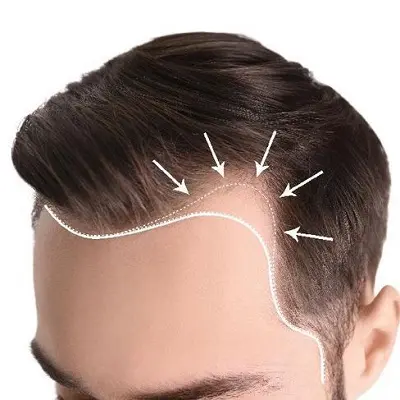
1. A Natural-Looking Hairline
One of the primary ways a hair transplant boosts confidence is by restoring a natural hairline. A fuller hairline enhances facial symmetry, giving a more youthful and balanced appearance. When individuals feel better about how they look, they are more likely to engage socially and professionally.
2. Permanent Solution for Hair Loss
Unlike temporary treatments such as wigs or topical solutions, a hair transplant offers a lasting solution. Knowing that hair restoration is permanent allows individuals to plan their lives with confidence, free from the stress of ongoing hair loss.
3. Personalized Results
Hair transplant techniques are highly customizable, allowing for tailored hairline design, density, and style. This personalization ensures results that match the individual’s facial features and personal preferences, further boosting self-esteem.
Emotional Benefits of Hair Restoration
1. Improved Self-Esteem
Restoring hair often leads to a significant increase in self-esteem. Individuals report feeling more attractive, comfortable in their appearance, and confident in social settings.
2. Reduced Anxiety and Social Inhibition
Hair restoration can reduce self-consciousness, allowing individuals to participate more freely in social, professional, and recreational activities without worrying about hair loss.
3. Enhanced Mental Well-Being
The psychological benefits extend to overall mental health. Studies suggest that improving appearance through hair restoration can decrease feelings of depression and enhance emotional resilience.
Hair Transplant Techniques That Maximize Confidence
1. FUE (Follicular Unit Extraction)
FUE involves harvesting individual hair follicles from the donor area and transplanting them into thinning areas. Benefits include:
Minimal scarring
Faster recovery time
Natural hairline design
FUE is ideal for individuals who value a discreet procedure with minimal visible impact during recovery.
2. FUT (Follicular Unit Transplantation)
FUT, or the strip method, involves removing a strip of scalp and dissecting it into grafts. Benefits include:
High graft yield for extensive hair loss
Efficient for covering larger areas
Cost-effective for multiple sessions
Both techniques can significantly improve appearance and confidence when performed by skilled professionals.
3. DHI (Direct Hair Implantation)
DHI is a variation of FUE that uses an implanter pen to directly place hair follicles into the recipient area. Benefits include:
Enhanced precision for hairline design
Reduced trauma to the scalp
Faster and natural-looking results
This technique is particularly effective for individuals seeking dense, well-defined hairlines.
Preparing Mentally for Hair Transplant Success
The psychological aspect of hair transplantation is just as important as the surgical procedure. Mental preparation can enhance satisfaction and self-esteem after the transplant:
Set Realistic Expectations: Understanding that full results develop over 12–18 months helps prevent disappointment.
Visualize Positive Outcomes: Focusing on the potential transformation can build excitement and confidence.
Plan for Recovery: Knowing how to care for the scalp post-procedure reduces anxiety and ensures optimal healing.
Maintaining Confidence After the Procedure
Hair transplant results are long-lasting, but maintaining confidence involves:
Following post-operative care instructions
Protecting the scalp from sun exposure
Maintaining a healthy lifestyle and nutrition
Considering adjunct treatments such as PRP therapy to enhance hair growth
By combining these steps, individuals can enjoy sustained aesthetic and emotional benefits.
Frequently Asked Questions (FAQs)
1. How soon will I notice results from a hair transplant?
Initial hair growth may begin within 3–4 months, with full results visible after 12–18 months.
2. Does hair transplantation improve confidence for everyone?
While experiences vary, most patients report significant boosts in self-esteem and overall satisfaction.
3. Is the procedure painful?
Local anesthesia minimizes discomfort during the procedure, and post-operative pain is generally mild.
4. Can hair transplants be combined with other treatments?
Yes, procedures like PRP therapy or medication can complement transplants for enhanced growth and density.
5. How long does recovery take?
Most patients return to normal activities within 1–2 weeks, with minor swelling or redness resolving in a few days.
6. Are the results permanent?
Yes, transplanted hair follicles are resistant to genetic hair loss, offering long-lasting results.
Conclusion
For individuals experiencing hair loss, a Hair Transplant in Muscat is more than a cosmetic procedure—it is a pathway to renewed self-esteem, confidence, and emotional well-being. By restoring a natural hairline, improving appearance, and offering a permanent solution, hair transplantation can profoundly enhance social, professional, and personal life.
The combination of expert surgical techniques, proper aftercare, and mental preparation ensures that patients not only achieve aesthetic satisfaction but also enjoy the psychological benefits of regained confidence and self-assurance. Hair restoration is, therefore, a transformative journey that impacts both the external and internal aspects of personal identity.


;)