Enfield Royal Clinic Oman

 Home
Home  About Enfield Royal Clinic Oman
  Treatments
  Make An Enquiry





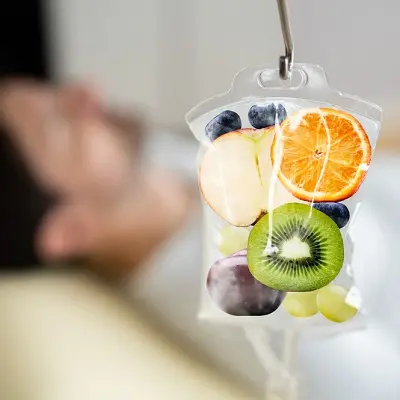
How IV Drips Can Help with Dehydration Recovery
Posted On Oct 3, 2025Boost hydration, energy, and wellness with IV drips. Quick, effective treatments deliver essential vitamins and nutrients directly to your body.
Dehydration can strike anyone, at any time. Whether it’s due to intense physical activity, illness, excessive heat, or simply not drinking enough fluids, the effects of dehydration can range from mild fatigue to severe medical complications. One modern solution gaining popularity for rapid recovery is IV drips (التنقيط الوريدي). These treatments offer a convenient and efficient way to restore the body’s hydration levels and replenish essential nutrients quickly.
In this article, we’ll explore how IV drips work, their benefits in dehydration recovery, and what individuals can expect when considering this treatment.
What Are IV Drips?
An IV drip, or intravenous infusion, is a method of delivering fluids, vitamins, and electrolytes directly into the bloodstream. Unlike drinking water or consuming oral rehydration solutions, IV drips bypass the digestive system, allowing the body to absorb hydration and nutrients immediately.
This direct delivery system makes IV drips particularly effective for individuals who are severely dehydrated or struggling to absorb fluids orally. The infusion typically contains a balanced mix of saline, electrolytes, and sometimes vitamins or minerals depending on the individual’s needs.
How Dehydration Affects the Body
Dehydration occurs when the body loses more fluids than it takes in. This imbalance can disrupt the body’s normal functions, leading to symptoms such as:
Fatigue and weakness
Headaches or dizziness
Dry skin and lips
Muscle cramps
Rapid heartbeat
Reduced urine output
In severe cases, dehydration can impact vital organs and lead to serious complications such as heatstroke, kidney issues, or hypovolemic shock. While drinking water is helpful in mild dehydration, more advanced cases often require rapid rehydration—where IV drips can play a critical role.
How IV Drips Support Dehydration Recovery
IV drips offer several advantages for recovering from dehydration:
Rapid Hydration
When the body is dehydrated, time is often of the essence. IV drips deliver fluids directly into the bloodstream, ensuring nearly immediate rehydration. This can significantly reduce symptoms like dizziness, fatigue, and headaches faster than oral hydration methods.
Balanced Electrolyte Restoration
Dehydration often results in an electrolyte imbalance. Sodium, potassium, magnesium, and calcium are essential for nerve and muscle function, fluid balance, and overall cellular health. IV drips provide a precise mix of electrolytes tailored to replenish what the body has lost, which is crucial for restoring energy and preventing complications.
Improved Nutrient Absorption
Some IV drips are enriched with vitamins, such as vitamin C and B-complex vitamins, which support energy levels, immunity, and overall wellness. Since the nutrients are delivered intravenously, absorption is immediate and bypasses any potential issues caused by digestive disorders or nausea.
Convenience and Comfort
For individuals who cannot keep fluids down due to illness or extreme dehydration, IV drips offer a practical solution. The treatment is relatively quick, usually taking 20 to 60 minutes, and allows individuals to feel rehydrated without the discomfort of consuming large volumes of fluids orally.
Who Can Benefit from IV Drips for Dehydration?
IV drips can benefit a wide range of people experiencing dehydration:
Athletes and fitness enthusiasts who experience dehydration from intense exercise or heat exposure.
Individuals recovering from illness, such as flu, gastroenteritis, or fever, which can cause significant fluid loss.
People in hot climates or those exposed to high temperatures for prolonged periods.
Individuals who have difficulty drinking fluids, such as patients with severe nausea or gastrointestinal issues.
While IV drips can be effective for many, they are not a replacement for regular hydration habits. Drinking water consistently and maintaining a balanced diet remain essential for long-term health.
What to Expect During an IV Drip Session
During an IV drip session for dehydration recovery, a healthcare professional typically inserts a small catheter into a vein, often in the arm. The IV solution is then administered slowly to ensure comfort and effectiveness. Most sessions last between 20 to 60 minutes, depending on the severity of dehydration and the type of IV solution used.
Patients often report feeling more alert, energized, and hydrated shortly after the treatment. Mild side effects, such as slight bruising at the injection site, may occur, but serious complications are rare when administered by trained professionals.
FAQs About IV Drips and Dehydration Recovery
1. Are IV drips safe for everyone?
IV drips are generally safe for most healthy individuals. However, people with certain medical conditions, such as kidney or heart problems, should consult a healthcare provider before treatment.
2. How quickly do IV drips work for dehydration?
Many individuals experience noticeable improvement within 30 minutes of treatment. Full recovery from severe dehydration may require multiple sessions depending on the severity.
3. Can IV drips replace drinking water?
No, IV drips are a supplemental treatment for rapid recovery. Daily hydration through water and other fluids is essential for maintaining long-term health.
4. How often can someone receive IV drips?
Frequency depends on individual needs and health conditions. Occasional use for dehydration recovery is common, but regular or frequent use should be discussed with a healthcare professional.
5. Are there any side effects of IV drips?
Side effects are usually mild, such as minor bruising or tenderness at the injection site. Severe complications are rare when treatment is performed correctly.
6. Can IV drips help with hangovers or mild dehydration from alcohol?
Yes, IV drips can help replenish fluids and electrolytes lost due to alcohol consumption, providing quicker relief from hangover symptoms.
Conclusion
IV drips are a modern, effective, and convenient solution for rapid dehydration recovery. By delivering fluids, electrolytes, and essential nutrients directly into the bloodstream, they can quickly restore energy, improve hydration, and support overall wellness. While not a substitute for regular water intake, IV drips provide a safe and efficient option for individuals experiencing moderate to severe dehydration, athletes, or those struggling with fluid absorption.
Incorporating IV drips into a hydration strategy can help people feel revitalized faster, recover from illness more effectively, and maintain optimal health in challenging conditions.






;)