Enfield Royal Clinic Oman

 Home
Home  About Enfield Royal Clinic Oman
  Treatments
  Make An Enquiry





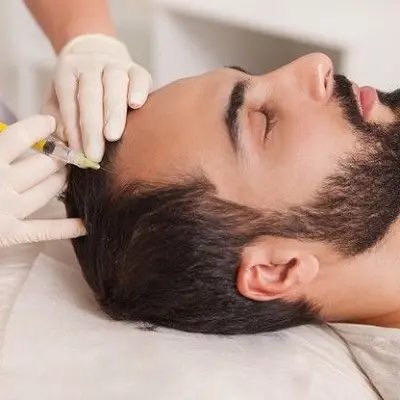
How Long Does Hair Transplant Surgery Really Take?
Posted On Sep 23, 2025Restore your hair and confidence with advanced hair transplant solutions. Natural results, safe procedures, and lasting growth tailored to you.
Hair loss can be a distressing experience, affecting both confidence and self-image. For many individuals, a hair transplant offers a reliable solution, restoring not only hair but also self-esteem. If you are considering a hair transplant in Muscat (زراعة شعر في مسقط), one of the most common questions is: How long does the surgery actually take? Understanding the procedure’s timeline can help manage expectations, plan your schedule, and ensure a smooth recovery.
Understanding Hair Transplant Surgery
A hair transplant is a medical procedure that involves relocating healthy hair follicles from a donor area—typically the back or sides of the scalp—to areas experiencing thinning or baldness. Two main techniques dominate the field: Follicular Unit Extraction (FUE) and Follicular Unit Transplantation (FUT).
FUE involves individually extracting hair follicles using tiny punches. It’s minimally invasive, leaves almost no scarring, and usually has a quicker recovery time.
FUT requires removing a strip of scalp from the donor area, from which follicles are dissected and then transplanted. While slightly more invasive, FUT can allow for more follicles to be transplanted in a single session.
Regardless of the technique, the procedure is tailored to the patient’s hair loss pattern, donor hair availability, and desired results.
How Long Does a Hair Transplant Actually Take?
The duration of a hair transplant procedure varies depending on several factors, including the number of grafts required, the technique used, and the complexity of the hairline design. On average:
Small Sessions (500–1,000 grafts): 3–4 hours
Medium Sessions (1,000–2,500 grafts): 5–7 hours
Large Sessions (2,500–4,000+ grafts): 8–10 hours or more
It’s important to note that hair transplant surgery is meticulous and requires patience. Each follicle must be carefully harvested and placed to ensure natural-looking results. The surgeon’s experience and the efficiency of the surgical team also influence the total duration.
Step-by-Step Timeline of a Hair Transplant
Understanding what happens during the surgery helps clarify why it takes several hours:
1. Consultation and Planning
Before the surgery begins, a detailed consultation is conducted. This includes:
Assessing the pattern and extent of hair loss
Examining donor hair quality
Designing the hairline and density
Discussing patient expectations
While this part may occur prior to the actual day of surgery, some final adjustments and measurements are made on the surgery day itself.
2. Preparation and Anesthesia
Once in the operating room, the scalp is cleaned and sterilized. Local anesthesia is applied to ensure the procedure is painless. Administering anesthesia and allowing it to take full effect usually takes 30–45 minutes.
3. Extraction of Hair Follicles
The extraction stage differs depending on the method:
FUE: Follicles are extracted one by one, which is time-consuming but less invasive.
FUT: A strip of scalp is removed, and follicles are carefully dissected under a microscope.
This stage can take several hours, especially for larger sessions requiring thousands of grafts.
4. Recipient Site Creation
After extraction, tiny incisions or slits are made in the thinning area to implant the follicles. The angle, direction, and density are carefully considered to achieve a natural look. This step can last 1–2 hours depending on the session size.
5. Implantation of Hair Follicles
Finally, the harvested follicles are implanted into the recipient area. Each follicle must be placed individually, which demands precision and patience. Implantation can take several hours, often the longest part of the procedure.
6. Post-Operative Care
Once the surgery is complete, the scalp is cleaned, and patients receive instructions for post-operative care. Recovery protocols, medications, and follow-up schedules are explained to ensure the best results.
Factors That Influence Surgery Duration
Several factors can make the procedure shorter or longer:
Number of Grafts: More grafts mean longer surgery times.
Technique Used: FUE is typically slower for large sessions, while FUT can be faster but more invasive.
Experience of Surgical Team: Skilled teams can perform the procedure more efficiently without compromising quality.
Patient Hair Characteristics: Curl, thickness, and density can affect the speed of extraction and implantation.
Complexity of Hairline Design: A detailed, natural hairline requires more precise work and additional time.
Recovery and What to Expect After Surgery
While the surgery itself may take a full day, recovery is relatively straightforward. Most patients experience mild redness, swelling, and scabbing in the first week. Transplanted hair may shed within 2–3 weeks—a normal phase called shock loss—before new growth begins. Visible results generally appear within 3–6 months, with full density noticeable at around 12 months.
Following aftercare instructions, such as gentle washing, avoiding sun exposure, and refraining from strenuous activities, is crucial for optimal results.
Common Myths About Hair Transplant Duration
Myth: Surgery is over in an hour. In reality, even small sessions take several hours due to the precision required.
Myth: Hair grows immediately. Transplanted hair initially sheds before new growth begins, which is completely normal.
Myth: One session is always enough. Some patients may require multiple sessions depending on hair loss extent and desired density.
FAQs About Hair Transplant in Muscat
1. How long does a hair transplant procedure take in Muscat?
A typical session ranges from 3–10 hours, depending on graft numbers, technique, and individual factors.
2. Is the procedure painful?
Local anesthesia ensures that the surgery is virtually painless. Mild discomfort may occur during extraction or implantation, but it is generally well-tolerated.
3. How many grafts are usually needed?
The number of grafts varies depending on hair loss severity. Small sessions may require 500–1,000 grafts, while larger sessions can exceed 4,000 grafts.
4. Can I return to work immediately after surgery?
Most patients can resume light activities within a few days, but strenuous work and exercise should be avoided for at least 1–2 weeks.
5. When will I see noticeable results?
New hair growth typically begins 3–4 months post-surgery, with visible improvements around 6 months. Full results appear at approximately 12 months.
6. Are the results permanent?
Yes, transplanted hair follicles are generally permanent and resistant to further hair loss. However, natural aging may continue to affect non-transplanted areas.
Conclusion
A hair transplant in Muscat is a highly effective solution for restoring hair and confidence. While the surgery may take several hours, every step—from consultation and planning to extraction and implantation—is crucial for achieving natural, long-lasting results. By understanding the procedure’s timeline, patients can prepare mentally and physically, ensuring a smoother experience and better outcomes. With patience, proper care, and realistic expectations, a hair transplant can offer a transformative change that lasts a lifetime.







;)