Enfield Royal Clinic Oman

 Home
Home  About Enfield Royal Clinic Oman
  Treatments
  Make An Enquiry





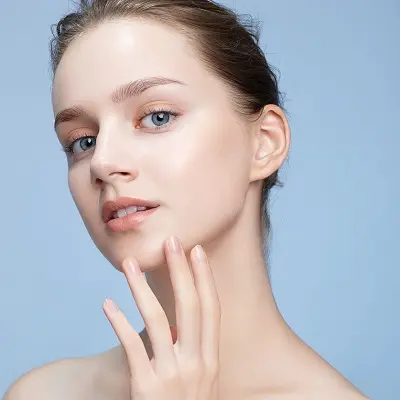
How Long Will Results from Laser Skin Resurfacing Last?
Posted On Oct 21, 2025Laser Skin Resurfacing rejuvenates skin by reducing wrinkles, scars, and sun damage. Achieve smoother, younger-looking skin with minimal downtime.
Laser skin resurfacing has become a leading cosmetic treatment for reducing wrinkles, fading sun damage, improving skin texture, and achieving a more youthful, radiant appearance. For individuals seeking Laser Skin Resurfacing in Muscat, one of the most common questions is: how long will the results last?
Understanding the longevity of results is important for setting realistic expectations and planning ongoing skincare routines. This guide explores the factors that influence results, what patients can expect, and tips to maximize the benefits of this popular procedure.
What Is Laser Skin Resurfacing?
Laser skin resurfacing is a non-invasive or minimally invasive procedure that uses focused light energy to remove damaged outer layers of the skin and stimulate the production of collagen and elastin. Collagen and elastin are proteins responsible for maintaining the skin’s firmness, elasticity, and smooth texture.
During treatment, the laser targets damaged cells while triggering a natural healing response. This process promotes new cell growth, resulting in smoother, tighter, and more youthful-looking skin.
Types of Laser Skin Resurfacing
There are two main categories of lasers used in skin resurfacing:
1. Ablative Lasers
Ablative lasers, such as CO₂ or erbium lasers, remove the outer layer of the skin and heat deeper layers to encourage collagen regeneration. These lasers are more intensive, treat deeper wrinkles, and provide dramatic results, but they also require longer recovery times.
2. Non-Ablative Lasers
Non-ablative lasers work beneath the skin’s surface without removing the outer layer. They are ideal for mild to moderate wrinkles, fine lines, and pigmentation irregularities. Recovery is usually shorter, and results appear gradually as collagen production increases over several weeks.
How Long Do Results Typically Last?
The longevity of laser skin resurfacing results depends on several factors, including:
1. Type and Depth of Laser Used
Ablative lasers tend to produce longer-lasting and more noticeable results compared to non-ablative lasers because they penetrate deeper into the skin and stimulate significant collagen remodeling. Non-ablative lasers provide gradual improvement but may require multiple sessions to maintain results.
2. Patient’s Skin Condition
Patients with mild sun damage or early signs of aging may notice longer-lasting improvements, while those with deep wrinkles or extensive sun damage may require periodic maintenance treatments.
3. Lifestyle Factors
Sun exposure, smoking, and excessive alcohol consumption can accelerate skin aging and reduce the longevity of results. Daily sun protection and a healthy lifestyle significantly contribute to prolonged benefits.
4. Skincare Routine
Consistent use of gentle cleansers, moisturizers, and topical antioxidants supports the skin’s healing and longevity. Incorporating retinoids or growth factor-based serums as recommended by a skincare professional can enhance and maintain the results.
Typical Duration of Results
For many patients, the visible improvements from laser skin resurfacing last several years. Ablative laser treatments can deliver results that may last up to five years or more with proper care, while non-ablative treatments may require yearly maintenance sessions to maintain optimal skin appearance.
Factors That Affect Longevity
Sun Protection
UV rays are one of the leading causes of premature skin aging. Consistent sun protection with a broad-spectrum sunscreen of SPF 30 or higher is essential for maintaining the results of laser resurfacing. Wearing hats and avoiding peak sunlight hours can further protect the skin.
Healthy Lifestyle
Smoking and excessive alcohol intake can reduce collagen production and delay skin regeneration, shortening the duration of results. A balanced diet, adequate hydration, and regular exercise support overall skin health.
Age and Skin Type
Younger patients with robust collagen production tend to experience longer-lasting results, while older patients may see gradual changes over time. Skin type also influences how quickly results are visible and maintained.
Post-Treatment Skincare
Following aftercare instructions and using recommended skincare products are critical. Hydrating, soothing, and collagen-supportive products help maintain skin texture and tone after the procedure.
Maintaining and Enhancing Results
1. Follow a Daily Skincare Routine
Gentle cleansing, moisturization, and targeted anti-aging products help sustain the effects of laser resurfacing. Products with antioxidants, peptides, or retinoids can further enhance results.
2. Schedule Maintenance Treatments
For non-ablative treatments or moderate skin concerns, periodic follow-up sessions may be recommended to preserve the improvements. Maintenance intervals vary based on the laser type and individual needs.
3. Avoid Harmful Habits
Minimizing sun exposure, avoiding smoking, and limiting alcohol consumption are essential for prolonging the rejuvenating effects of the procedure.
4. Stay Hydrated and Nourished
Healthy skin begins from within. Drinking sufficient water and consuming nutrient-rich foods support ongoing skin repair and collagen synthesis.
FAQs About Laser Skin Resurfacing Longevity
1. How soon will I see results after laser skin resurfacing?
Some improvement is visible within a few days to weeks, but full results typically appear after several months as collagen production continues.
2. Can the results last forever?
While laser resurfacing provides long-lasting improvements, natural aging and environmental factors continue to affect the skin. Results can last several years, especially with good sun protection and skincare.
3. Do I need multiple sessions to maintain results?
Non-ablative lasers often require periodic treatments for maintenance, while ablative lasers usually provide longer-lasting results with fewer sessions.
4. How does laser resurfacing compare to other anti-aging treatments?
Laser resurfacing targets both the surface and deeper layers of the skin, offering comprehensive improvement in texture, tone, and wrinkles compared to topical treatments or chemical peels.
5. Can lifestyle affect how long results last?
Yes, factors like sun exposure, smoking, diet, and hydration play a significant role in determining how long the results remain visible.
6. Is maintenance necessary for all patients?
Maintenance is recommended based on skin type, the severity of initial concerns, and the type of laser used. A consultation can help determine the ideal schedule for optimal results.
Conclusion
Laser skin resurfacing in Muscat offers a powerful and effective way to rejuvenate the skin, reduce wrinkles, and improve overall texture and tone. While results are long-lasting, their duration depends on factors such as the type of laser, lifestyle habits, skincare routine, and the individual’s skin condition.
With proper care, sun protection, and occasional maintenance, patients can enjoy smoother, more youthful-looking skin for years after treatment. For anyone considering laser skin resurfacing, understanding how to protect and maintain results is key to maximizing the benefits and achieving lasting satisfaction.

;)