Enfield Royal Clinic Oman

 Home
Home  About Enfield Royal Clinic Oman
  Treatments
  Make An Enquiry





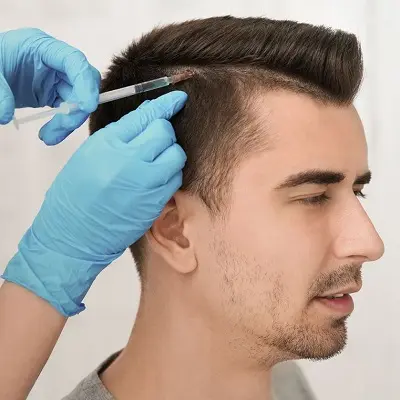
How Much Hair Is Needed for a Hair Transplant?
Posted On Sep 22, 2025Restore your hair and confidence with advanced hair transplant solutions. Natural results, safe procedures, and lasting growth tailored to you.
For many people experiencing thinning hair or bald patches, the idea of a hair transplant offers hope for restoring confidence and a natural appearance. One of the most common questions that arises is: How much hair is actually needed for a hair transplant? Understanding the process, the factors involved, and what determines the number of grafts required can help individuals make informed decisions. This article will provide a clear, expert-friendly explanation while also touching on important details for anyone considering a Hair Transplant in Muscat.
Understanding the Basics of Hair Transplantation
A hair transplant is a surgical procedure that involves moving healthy hair follicles from one part of the scalp, usually the back or sides, to areas experiencing thinning or baldness. The relocated follicles continue to grow naturally in their new location.
Two main techniques are widely used today:
FUT (Follicular Unit Transplantation): A strip of skin with hair follicles is removed from the donor area, and individual follicular units are separated and implanted into the recipient area.
FUE (Follicular Unit Extraction): Individual follicular units are directly extracted and transplanted, leaving minimal scarring.
Both methods can deliver excellent results, but the choice depends on individual needs, hair type, and goals.
How Many Grafts Are Needed?
The number of grafts required for a successful hair transplant depends on several factors. A graft typically contains 1–4 hair follicles, and the final number needed varies based on the size of the bald area and the desired density.
On average:
Receding hairline: 800–1500 grafts
Moderate thinning (crown area): 1500–2500 grafts
Extensive baldness: 3000–4000+ grafts
These numbers are only approximate. Every patient’s hair type, thickness, and growth pattern are different, which means the requirements can change significantly.
Factors That Influence How Much Hair Is Needed
Several elements determine how much donor hair is necessary for a hair transplant:
1. Size of the Balding Area
The larger the area of baldness, the more grafts are required. Someone with a receding hairline needs fewer grafts compared to someone with both crown and frontal hair loss.
2. Desired Density
Some patients prefer a thicker, denser look, while others are satisfied with moderate coverage. The density goal directly affects the number of grafts needed.
3. Hair Characteristics
The natural properties of the hair play a major role:
Thicker strands cover more scalp and require fewer grafts.
Curly or wavy hair creates a fuller look compared to straight hair.
Hair color relative to scalp color can also impact visual density; for instance, lighter hair against fair skin often appears fuller than dark hair against light skin.
4. Donor Hair Availability
Not everyone has unlimited donor hair. The back and sides of the scalp are considered the most reliable sources. The available supply must be carefully assessed before planning the transplant.
5. Long-Term Hair Loss Progression
Hair loss can continue after a transplant if not managed properly. Surgeons often recommend leaving some donor hair available for future procedures to maintain a natural look as aging progresses.
Hair Transplant in Muscat – What to Expect
For those considering a hair transplant in Muscat, it’s essential to know what the journey entails. The procedure generally begins with a consultation where the scalp is examined, and the number of grafts required is estimated. Digital imaging or scalp mapping may also be used to predict the results.
The actual procedure may take several hours depending on the number of grafts. Local anesthesia is typically administered, so patients remain comfortable throughout the process. After the transplant, mild redness and scabbing are normal and usually subside within a week or two.
Muscat offers access to modern facilities, with hair transplant services that follow international safety and quality standards. While results vary for each individual, many patients notice new growth beginning within three to four months, with full results visible after 9–12 months.
Is There a Limit to How Much Hair Can Be Transplanted?
Yes, there is a practical limit. The donor area can only provide a certain amount of healthy hair follicles. Attempting to extract beyond this limit can thin the donor area itself, leading to an unnatural appearance.
Typically, in one session, 3000–4000 grafts are considered the upper safe limit. Multiple sessions may be needed for extensive baldness, with careful planning to preserve donor hair for the future.
Maintaining Results After a Hair Transplant
A transplant does not stop natural hair loss in untreated areas. To maintain long-term results, doctors often suggest supportive treatments such as oral or topical medications, proper nutrition, and good hair care practices. Patients should also follow post-surgery instructions carefully, including avoiding harsh styling and protecting the scalp from excessive sun exposure in the healing phase.
Frequently Asked Questions (FAQs)
1. How long does it take to recover from a hair transplant?
Most people can return to normal activities within a few days. Mild swelling and scabbing usually resolve in 1–2 weeks.
2. When will I see the final results of a hair transplant?
New hair growth typically starts after 3–4 months, with full results becoming visible between 9–12 months.
3. Does a hair transplant look natural?
Yes, when performed properly, transplanted hair grows naturally and blends seamlessly with existing hair. Factors like hairline design and density placement play a crucial role in achieving natural results.
4. Is the procedure painful?
Local anesthesia is used, so discomfort is minimal. Some soreness may be felt for a few days after the procedure, but it is usually manageable.
5. Can women undergo hair transplants?
Absolutely. Women with thinning hair or patterned hair loss can also benefit from transplants, provided they have enough donor hair available.
6. Will the transplanted hair last forever?
The transplanted follicles are typically resistant to hair loss and can last a lifetime. However, untreated areas may continue to thin, which is why ongoing management is important.
Conclusion
The amount of hair needed for a transplant depends on many factors including the size of the balding area, hair characteristics, and donor hair availability. For individuals considering a hair transplant in Muscat, understanding these aspects is the first step toward achieving realistic, satisfying results. By setting clear goals and working with experienced specialists, patients can enjoy long-lasting improvements in both appearance and confidence.







;)