Muscat, Muscat Governorate

map icon mao preview icon

mail icon [email protected]

website icon https://www.enfieldroyalclinics.om Go to Website

muscat

Copyright © 2026 Citymapia.com. All Rights Reserved

How Often Do Botox Injections Need to Be Repeated?
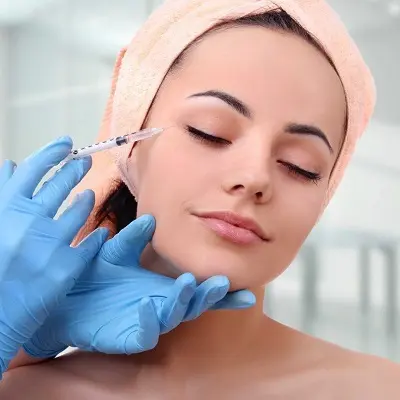
How Often Do Botox Injections Need to Be Repeated?

Posted On May 25, 2026

Discover Botox injections, a safe cosmetic treatment to reduce wrinkles, smooth fine lines, and rejuvenate skin with fast, long-lasting results.
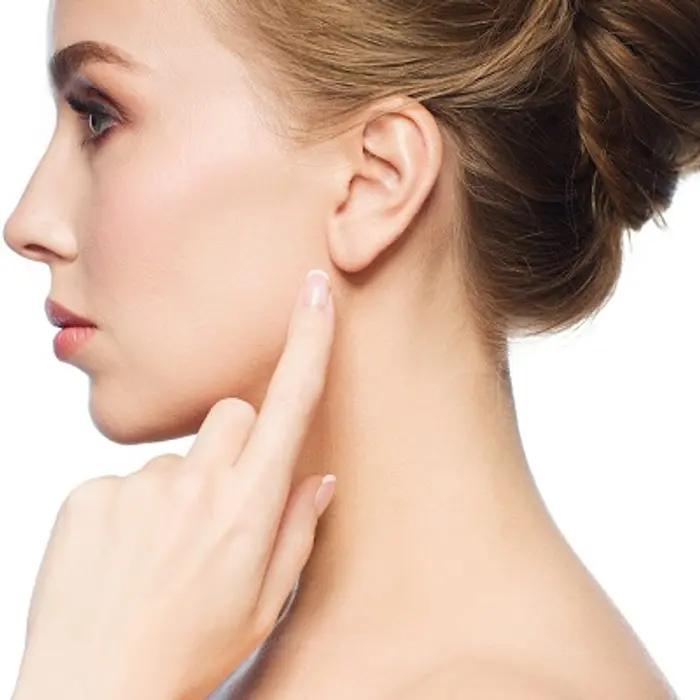

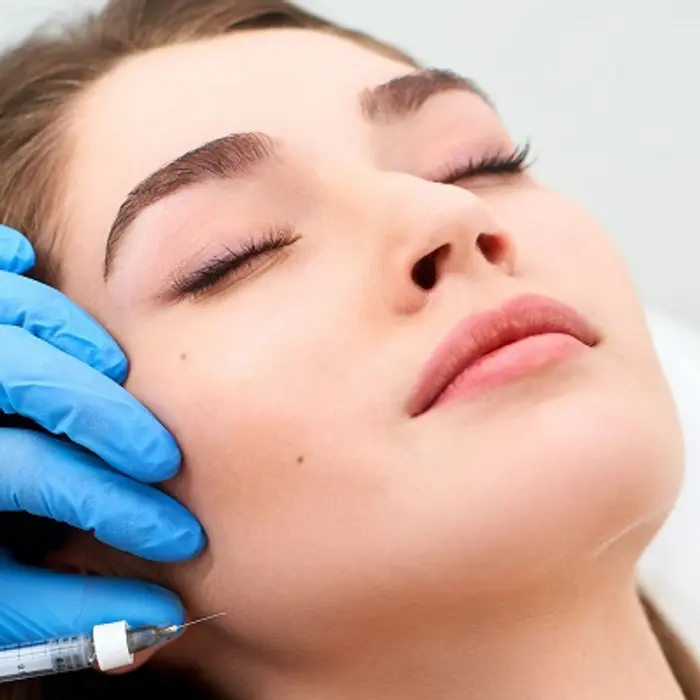
Botox Injections is one of the most widely recognized non-surgical cosmetic treatments used to temporarily reduce the appearance of fine lines and wrinkles. It works by relaxing targeted facial muscles, which helps smooth dynamic wrinkles caused by repeated expressions such as frowning, smiling, or squinting.

One of the most common questions people have before starting treatment is how often Botox injections need to be repeated. The answer is not the same for everyone, but there is a general timeline most people can expect. Understanding how long results last, what affects their duration, and when to schedule follow-up treatments can help individuals maintain a natural, refreshed appearance without overdoing it.

This article explains everything in a simple, friendly way so readers can make informed decisions about Botox treatment schedules.

What Are Botox Injections and How They Work?

Botox injections are a purified protein derived from botulinum toxin. When used in small, controlled doses, it temporarily blocks nerve signals to specific muscles. This prevents the muscles from contracting as strongly, which softens the appearance of wrinkles on the skin above them.

The most common treatment areas include:

  • Forehead lines
  • Frown lines between the eyebrows
  • Crow’s feet around the eyes

Unlike fillers, which add volume, Botox works by relaxing muscle movement. This makes it especially effective for expression lines that become more visible when the face is animated.

The effects are not permanent, which is why repeat treatments are needed to maintain results over time.

How Long Do Botox Results Typically Last?

On average, Botox results tend to last between 3 to 4 months. However, this duration can vary depending on several factors such as metabolism, muscle strength, and treatment area.

In some individuals, results may begin to fade slightly earlier, around 10 to 12 weeks, while others may enjoy smoother skin for up to 5 to 6 months. Over time, as the body gradually metabolizes the product and nerve signals recover, muscle movement slowly returns.

It is important to understand that Botox does not “wear off suddenly.” Instead, the effects gradually diminish, and facial expressions slowly regain their natural movement.

How Often Botox Injections Need to Be Repeated

In most cases, Botox injections are repeated every 3 to 4 months to maintain consistent results. This schedule helps prevent wrinkles from fully returning and keeps the treated areas looking smooth and refreshed.

For individuals who have been receiving Botox for a longer period, the frequency may sometimes decrease slightly. This is because the targeted muscles can become trained to relax over time, potentially allowing longer intervals between treatments.

However, consistency is key. If treatments are delayed for too long, muscle activity fully returns, and wrinkles may reappear more prominently. Restarting the cycle after a long break will not cause harm, but results will simply reset to baseline.

A typical maintenance plan might look like:

  • First treatment: Establish baseline results
  • Follow-up at 3–4 months: Maintain improvement
  • Ongoing sessions: Adjust timing based on individual response

The goal is not to over-treat, but to maintain a natural and balanced appearance over time.

Factors That Influence Treatment Frequency

The frequency of Botox injections is not identical for everyone. Several personal and biological factors influence how long results last and how often treatments are needed.

Metabolism and Activity Level

People with faster metabolisms may process Botox more quickly, leading to shorter-lasting results. Similarly, highly active individuals may notice a quicker return of muscle movement.

Strength of Facial Muscles

Stronger facial muscles, especially in areas like the forehead, may require more frequent treatments compared to less active areas.

Treatment Area

Different areas of the face respond differently. For example:

  • Crow’s feet may last longer in some individuals
  • Forehead lines may return sooner due to frequent expression use

Age and Skin Condition

Younger skin with stronger elasticity may respond differently compared to more mature skin. However, Botox is effective across a wide age range when used appropriately.

Dosage and Technique

The amount of Botox used and how it is distributed across muscles can also influence longevity. Balanced application typically results in more consistent outcomes.

Signs It May Be Time for a Touch-Up

Rather than strictly following a calendar schedule, many individuals pay attention to how their skin and facial movement change over time. Common signs that a repeat treatment may be needed include:

  • Gradual return of fine lines in treated areas
  • Increased muscle movement when making facial expressions
  • Makeup settling into lines more noticeably
  • Skin appearing less smooth compared to initial results

These changes usually happen gradually, giving individuals time to plan their next session without urgency.

Safety, Consistency, and Long-Term Use Considerations

When used appropriately, Botox is considered a safe and well-studied cosmetic treatment. Because it is temporary, it allows flexibility in adjusting results over time based on personal preference.

One important benefit of regular maintenance is that it may help prevent deeper wrinkle formation. When muscles are consistently relaxed, the skin is less frequently creased, which can slow the development of more permanent lines.

Long-term use does not typically change how often treatments are needed in a negative way. Instead, many individuals find that with continued use, results become easier to maintain and may last slightly longer between sessions.

It is also important to avoid overuse. Treatments should always be spaced appropriately to allow natural muscle function to return partially before the next session.

Tips for Maintaining Longer-Lasting Results

While Botox is temporary, certain habits may help extend its visible effects:

  • Protecting the skin from excessive sun exposure
  • Maintaining a consistent skincare routine
  • Staying well-hydrated
  • Avoiding excessive facial strain from repeated expressions
  • Following a regular treatment schedule instead of waiting too long between sessions

Although these factors do not stop Botox from wearing off, they can help support overall skin health and improve the longevity of visible results.

Frequently Asked Questions (FAQs)

1. How soon after Botox will results start to show?
Most individuals begin to notice changes within 3 to 5 days, with full results typically visible after about 10 to 14 days.

2. Can Botox be done too often?
Yes, treatments should not be repeated too frequently. The usual minimum interval is around 3 months to allow proper muscle recovery and safe, balanced results.

3. What happens if someone stops getting Botox?
If treatments are stopped, muscle activity gradually returns to normal, and wrinkles will slowly reappear as they were before treatment.

4. Does Botox last longer after repeated treatments?
In some individuals, repeated use may slightly extend the duration of results because muscles become less active over time.

5. Is there an ideal schedule for first-time users?
First-time users are generally advised to wait about 3 to 4 months before considering a follow-up, depending on how their body responds.

6. Can facial expressions look natural between treatments?
Yes, when properly administered, Botox allows for natural facial movement while reducing the appearance of deep wrinkles.

Read More About Botox Injections:  https://www.citymapia.com/muscat/enfield-royal-clinic-oman/blog/breast-lift-surgery-what-26240


Related items