Enfield Royal Clinic Oman

 Home
Home  About Enfield Royal Clinic Oman
  Treatments
  Make An Enquiry





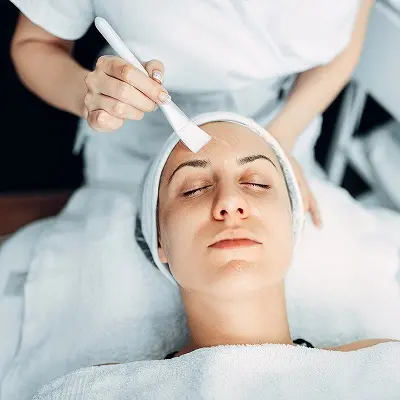
How Often Should You Get Chemical Peels?
Posted On May 20, 2026Discover chemical peels: a skin resurfacing treatment that exfoliates damaged layers, improves texture, reduces acne scars, and reveals glowing skin.
Healthy, glowing skin is a goal many people share, and skincare treatments have become increasingly popular for maintaining a fresh and youthful appearance. Among the many options available, Chemical Peels in Muscat have gained attention for their ability to improve skin texture, reduce imperfections, and reveal brighter skin. However, one of the most common questions people ask is: How often should chemical peels be done?
The answer depends on several factors, including skin type, treatment goals, peel strength, and how the skin responds over time. Understanding the ideal frequency can help individuals maximize benefits while avoiding irritation or over-treatment.
What Are Chemical Peels?
Chemical peels are skin-resurfacing treatments designed to remove dead skin cells and encourage new skin growth. During the process, a specially formulated solution is applied to the skin to exfoliate the outer layers. As the skin heals, it often appears smoother, clearer, and more even-toned.
People often seek Chemical Peels in Muscat to address concerns such as:
- Acne scars and blemishes
- Uneven skin tone
- Sun damage and pigmentation
- Fine lines and wrinkles
- Rough or dull skin texture
- Enlarged pores
Chemical peels vary in strength, meaning the recommended treatment schedule can differ significantly from person to person.
Types of Chemical Peels and Their Frequency
Not all chemical peels work the same way. The depth and intensity of the peel often determine how often treatments should be scheduled.
Superficial Peels
Superficial or light peels are among the gentlest options available. These treatments mainly target the outermost layer of the skin and are commonly used for mild discoloration, dryness, and minor texture issues.
Because they are less intense, superficial peels can generally be repeated every 2 to 4 weeks. Many individuals choose these peels as part of a consistent skincare maintenance routine.
Regular sessions may gradually improve skin brightness and smoothness without requiring lengthy recovery periods.
Medium Peels
Medium-depth peels penetrate deeper into the skin and are often used for concerns like acne scars, pigmentation, and visible signs of aging.
Since these peels involve a more noticeable recovery process, they are typically performed every 3 to 6 months, depending on skin healing and desired outcomes.
Spacing treatments properly allows the skin enough time to regenerate while reducing the risk of sensitivity.
Deep Peels
Deep peels are more intensive and designed for significant skin concerns, such as deeper wrinkles or severe discoloration.
Unlike lighter options, deep chemical peels are generally not performed frequently. In many cases, a person may only need one treatment, with long-lasting results over time.
Recovery periods for deep peels tend to be much longer, making careful aftercare essential.
Factors That Affect How Often Chemical Peels Should Be Done
The ideal treatment schedule depends on more than just peel strength. Several personal factors influence how often someone should consider chemical peels.
Skin Type and Sensitivity
Sensitive skin may need more time between treatments to avoid redness or irritation. People with resilient or oilier skin may tolerate treatments more frequently.
For example, someone with highly sensitive skin might benefit from less frequent peels with gentle formulations, while another person with acne-prone skin may respond well to regular light peels.
Skin Concerns and Goals
Treatment goals also matter when deciding frequency.
A person aiming to reduce acne marks or hyperpigmentation may begin with a series of peels scheduled closer together. Meanwhile, someone seeking simple skin maintenance may only need occasional treatments.
Those choosing Chemical Peels in Muscat for anti-aging benefits may follow a customized plan focused on long-term skin rejuvenation.
Healing and Recovery Time
Skin recovery should never be rushed. Overdoing chemical peels can damage the skin barrier and increase sensitivity.
Healthy skin renewal requires patience. If redness, dryness, or peeling persists after a treatment, waiting longer before another session may be necessary.
Lifestyle and Climate
Environmental factors can also influence peel frequency. In warmer climates, sun exposure may affect skin sensitivity after treatment.
Since Muscat experiences strong sunlight for much of the year, proper sun protection becomes especially important following chemical peels. Protecting healing skin helps maintain results and minimizes unwanted pigmentation.
Signs It Might Be Time for Another Chemical Peel
Many people wonder how to tell when their skin is ready for another session. While treatment plans vary, certain signs may indicate it is time for maintenance.
Some common indicators include:
- Skin looking dull or tired again
- Acne breakouts becoming more frequent
- Uneven tone or pigmentation returning
- Rough patches or clogged pores reappearing
- Fine lines appearing more noticeable
Rather than following a rigid schedule, many skincare professionals recommend observing how the skin responds and adjusting accordingly.
Can You Get Chemical Peels Too Often?
Yes, overdoing chemical peels can lead to problems. More treatments do not always mean better results.
Excessive peeling may cause:
- Skin irritation
- Increased redness
- Dryness and flaking
- Sensitivity to sunlight
- Damage to the protective skin barrier
Skin needs adequate recovery time to rebuild and regenerate naturally. A balanced approach usually provides the best long-term improvements.
People considering Chemical Peels in Muscat should focus on consistency rather than excessive frequency. Gradual progress often produces healthier, more natural-looking outcomes.
How to Maintain Results Between Chemical Peels
Proper skincare between treatments can extend results and improve skin health.
Here are some practical ways to maintain smoother skin after a peel:
Prioritize Sun Protection
Freshly exfoliated skin is more vulnerable to UV exposure. Daily sunscreen use can help protect against discoloration and premature aging.
Use Gentle Skincare Products
Harsh exfoliants or strong active ingredients should be avoided immediately after a peel. Mild cleansers and hydrating products often support recovery.
Stay Hydrated
Hydration plays a key role in skin healing. Drinking enough water and using moisturizing skincare products may help maintain softness and elasticity.
Avoid Picking or Scrubbing
Peeling skin should be allowed to shed naturally. Picking at flaky areas may increase irritation or lead to uneven healing.
Follow a Consistent Routine
Healthy skincare habits between treatments often help maximize the benefits of Chemical Peels in Muscat and keep skin looking refreshed longer.
Are Chemical Peels Suitable for Everyone?
Chemical peels can benefit many people, but they are not always ideal for every skin type or condition. Those with active skin infections, highly reactive skin, or certain medical conditions may need alternative approaches.
People with darker skin tones may also require extra care when selecting the type and intensity of a peel to minimize the risk of pigmentation changes.
Understanding individual skin needs helps ensure safe and effective treatment planning.
Final Thoughts
So, how often should someone get chemical peels? The answer depends largely on the type of peel, skin condition, personal goals, and recovery time. Light peels may be suitable every few weeks, while medium and deep peels generally require much longer intervals.
For many individuals exploring Chemical Peels in Muscat, consistency and patience tend to deliver the best results. Rather than seeking rapid changes, a carefully spaced routine often leads to healthier, smoother, and more radiant skin over time.
Choosing the right schedule is ultimately about listening to the skin, allowing enough healing time, and maintaining good skincare habits between sessions.
1. How long does it take to see results from chemical peels?
Results can vary depending on the type of peel and skin condition. Some people notice brighter skin within a few days, while deeper improvements may appear after several weeks.
2. Are chemical peels painful?
Most people experience mild tingling or warmth during treatment. Stronger peels may feel more intense, but discomfort is usually temporary.
3. Can chemical peels help acne scars?
Yes, many chemical peels are commonly used to improve the appearance of acne scars by encouraging skin renewal and smoother texture.
4. Is there downtime after a chemical peel?
Light peels often involve little downtime, while medium or deep peels may require more recovery time due to redness and peeling.
5. Can makeup be worn after a chemical peel?
It is often best to wait until the skin has healed properly before applying makeup, especially after stronger peels.
6. Are chemical peels safe for sensitive skin?
Gentle peels may be suitable for sensitive skin, but treatment type and frequency should be adjusted carefully based on skin tolerance.
Read More About Chemical Peels: https://www.citymapia.com/muscat/enfield-royal-clinic-oman/blog/why-dermatologists-recommend-c-26001




;)