Enfield Royal Clinic Oman

 Home
Home  About Enfield Royal Clinic Oman
  Treatments
  Make An Enquiry





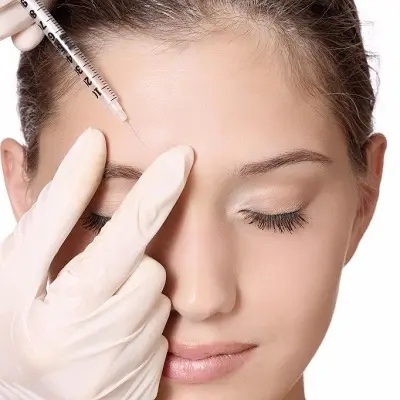
How Weather Triggers Respond to Botox for Migraine
Posted On Nov 27, 2025Discover how Botox for migraine can reduce headache frequency, ease pain, and improve quality of life with targeted, effective treatments.
Migraines are complex neurological events that can be triggered by a variety of factors, including stress, diet, hormones, and even changes in weather. For patients in Oman managing chronic migraines, weather-related triggers can pose a significant challenge. Fortunately, Botox for Migraine in Oman has emerged as a preventive treatment that can help reduce the frequency and severity of migraine attacks. Understanding how weather triggers respond to Botox can help patients better manage their condition and maintain a higher quality of life.
Understanding Botox for Migraine
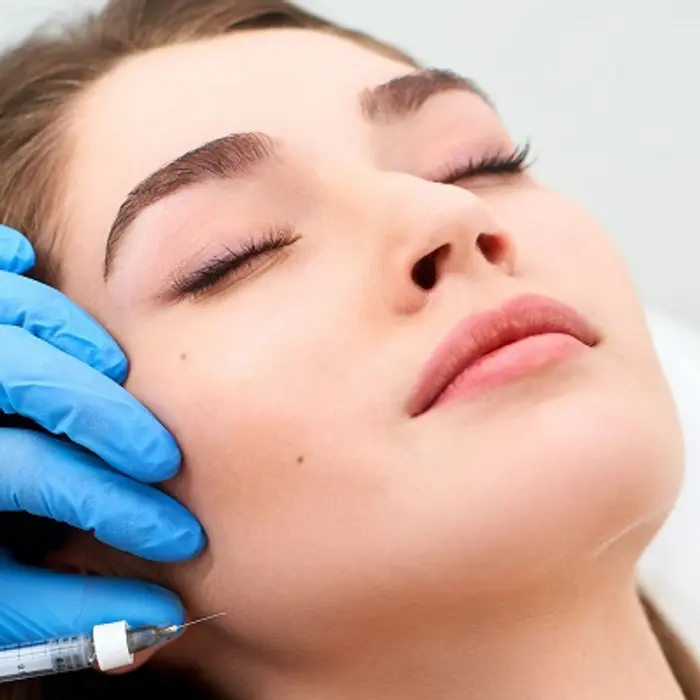
Botox, or botulinum toxin, is widely recognized for its cosmetic applications, but it has also been approved as a treatment for chronic migraines. Chronic migraines are characterized by headaches occurring 15 or more days per month, with at least eight of those days being migraines. Botox works by blocking nerve signals that contribute to pain and muscle contractions, helping to prevent migraine attacks before they start.
Unlike medications that treat symptoms once a migraine has begun, Botox takes a preventive approach. Treatments are typically scheduled every 12 weeks to maintain effectiveness and ensure consistent relief. Patients often notice gradual improvement over time, with reductions in both the frequency and severity of migraine attacks.
Weather as a Migraine Trigger
Many migraine sufferers report that changes in weather—such as shifts in temperature, humidity, or barometric pressure—can provoke an attack. Common weather-related triggers include:
Sudden drops or increases in temperature
High humidity or extreme dryness
Storms or rapid changes in barometric pressure
Strong winds or intense sunlight
These triggers affect the body’s nervous system and blood vessels, potentially activating the same pathways involved in migraine development. Weather triggers can be particularly challenging because they are largely uncontrollable and unpredictable, making preventive measures like Botox especially valuable.
How Botox Helps with Weather-Related Migraines
Botox works by targeting specific muscles and nerve pathways associated with migraine pain. By reducing the activity of these nerves, Botox can help decrease the brain’s sensitivity to common triggers—including weather changes.
While Botox does not directly prevent weather shifts, it can make the nervous system less reactive to these environmental triggers. Patients often report fewer migraine days following treatment and a reduction in the intensity of attacks when weather changes occur.
Timing Botox Treatments Around Migraine Patterns
For optimal results, patients should maintain a consistent treatment schedule. Botox injections for chronic migraine are typically administered every three months. This timing ensures that the preventive effects remain strong, even when environmental factors such as seasonal weather changes occur.
Patients who notice a seasonal pattern to their migraines—such as attacks during hot summer months or rainy seasons—may benefit from scheduling Botox treatments just before these periods. This proactive approach can help minimize the impact of weather-related triggers and reduce the overall burden of migraines.
Complementary Strategies for Weather-Related Migraine
While Botox is effective in reducing the frequency of migraines, combining it with lifestyle and environmental strategies can further improve outcomes:
Monitor Weather Changes: Keep track of barometric pressure, temperature fluctuations, and seasonal patterns to anticipate potential migraine triggers.
Stay Hydrated: Dehydration, common in hot climates, can intensify migraines. Drinking adequate water is crucial, especially in Oman’s dry and warm environment.
Create a Comfortable Environment: Use air conditioning, humidifiers, or fans to regulate indoor climate and reduce the impact of extreme weather.
Protect Against Sunlight: Sunglasses, wide-brimmed hats, and sun-protective clothing can prevent migraines triggered by intense sunlight.
Maintain Consistent Sleep Patterns: Weather changes can disrupt sleep, which may exacerbate migraines. Prioritize a regular sleep schedule to reduce susceptibility.
By combining Botox with these proactive strategies, patients can better manage weather-related migraine triggers and maintain symptom-free days.
Recognizing When Botox is Most Effective
Patients may wonder whether Botox can fully eliminate weather-triggered migraines. While Botox significantly reduces the frequency and severity of attacks, it may not prevent every migraine triggered by extreme or sudden environmental changes. However, most patients experience noticeable improvement after a few sessions, particularly in the intensity and duration of attacks.
Tracking migraine patterns in relation to weather changes can help patients and healthcare providers evaluate treatment effectiveness. A headache diary documenting the date, duration, intensity, and potential triggers—including weather conditions—can provide valuable insights for tailoring ongoing treatment plans.
Lifestyle Tips to Enhance Botox Outcomes
In addition to environmental strategies, adopting a healthy lifestyle can maximize the benefits of Botox treatment:
Balanced Nutrition: Avoid skipping meals and maintain a diet rich in vitamins and minerals to reduce migraine susceptibility.
Stress Management: Relaxation techniques such as yoga, meditation, or deep-breathing exercises can decrease migraine frequency.
Regular Exercise: Moderate physical activity supports overall well-being and helps regulate nervous system function.
Avoid Known Triggers: Common migraine triggers include processed foods, caffeine overuse, and artificial sweeteners. Avoiding these can improve treatment outcomes.
These habits complement Botox therapy, providing a comprehensive approach to migraine prevention.
FAQs About Botox for Migraine in Oman
1. Does Botox prevent migraines caused by weather changes?
Botox reduces the frequency and severity of migraines, including those triggered by weather, but it may not eliminate every attack caused by extreme environmental changes.
2. How long does Botox for migraine last?
The effects of Botox typically last around 10 to 12 weeks, which is why treatments are scheduled every three months.
3. Can Botox be combined with other migraine medications?
Yes, Botox can be used alongside preventive or acute migraine medications under a healthcare provider’s guidance.
4. How soon will I notice relief from weather-triggered migraines?
Some patients notice improvement within two weeks, but maximum benefits are usually seen after two to three treatment sessions.
5. Are there side effects from Botox treatment?
Side effects are generally mild and temporary, including soreness or bruising at injection sites. Serious complications are rare.
6. Can lifestyle changes enhance Botox effectiveness?
Yes, maintaining hydration, regular sleep, stress management, and avoiding known triggers can complement Botox therapy and improve outcomes.
Conclusion
Weather changes can be a significant migraine trigger, especially for chronic migraine sufferers in Oman. Botox offers a preventive solution that reduces nerve sensitivity and helps decrease the frequency and intensity of migraine attacks, even in response to environmental triggers.
By maintaining a consistent treatment schedule, adopting complementary lifestyle strategies, and monitoring weather patterns, patients can better manage weather-related migraines and enjoy more symptom-free days. Combining Botox therapy with proactive measures provides a comprehensive, effective approach to improving quality of life for chronic migraine sufferers.
Botox for migraine in Oman is not just a treatment—it is part of a holistic strategy that empowers patients to anticipate triggers, manage symptoms, and regain control over their daily lives.

;)