Enfield Royal Clinic Oman

 Home
Home  About Enfield Royal Clinic Oman
  Treatments
  Make An Enquiry





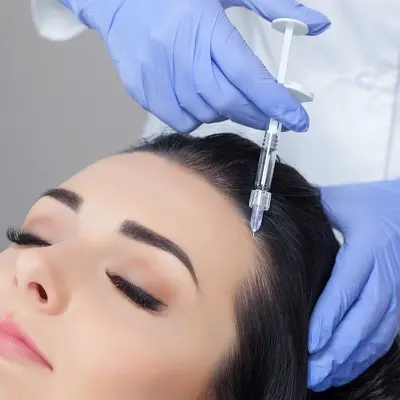
Is a Hair Transplant Permanent? Long-Term Results Explained
Posted On Sep 24, 2025Restore your hair and confidence with advanced hair transplant solutions. Natural results, safe procedures, and lasting growth tailored to you.
Hair loss can be frustrating and sometimes even life-changing. For many, the idea of restoring their natural hairline through surgery is both exciting and reassuring. A common question people ask when considering the best hair transplant in Muscat (أفضل زراعة شعر في مسقط) is whether the results are truly permanent. Understanding the longevity of a hair transplant, the factors that influence its success, and how to maintain results is essential before making a decision.
This article will explain in detail how long hair transplants last, what patients can expect during the journey, and why some people see lifelong results while others may need follow-up treatments.
Understanding the Basics of Hair Transplants
A hair transplant involves moving healthy, permanent hair follicles from a donor area—usually the back or sides of the head—to balding or thinning areas. Since the donor follicles are genetically resistant to the hormone primarily responsible for hair loss (DHT), the transplanted hair is designed to last for a lifetime.
There are two main techniques used:
Follicular Unit Transplantation (FUT): A strip of scalp is removed from the donor area and divided into individual grafts.
Follicular Unit Extraction (FUE): Individual hair follicles are directly removed and implanted in thinning areas.
Both methods provide permanent results when performed correctly, but long-term success depends on several factors.
Are Hair Transplants Permanent?
The Lifespan of Transplanted Hair
Yes, in most cases, hair transplants are permanent. The transplanted follicles retain their resistance to DHT, meaning they continue to grow naturally in their new location for the rest of a patient’s life. Patients can cut, style, and even dye their transplanted hair as they would with natural hair.
Why Some Patients May Need Touch-Ups
Although the transplanted hair is permanent, natural hair around it may continue to thin over time. This can create the need for additional sessions in the future to maintain density and a balanced appearance. The longevity of results also depends on how well the patient maintains their scalp health and overall lifestyle.
Factors Affecting Long-Term Results
Age: Younger patients whose hair loss pattern is not fully established may require follow-up treatments.
Extent of hair loss: Patients with advanced hair loss may need multiple sessions for fuller coverage.
Technique used: Advanced surgical methods like FUE often produce longer-lasting, more natural-looking results.
Aftercare: Proper post-surgery care, including avoiding smoking, excessive sun exposure, or scalp trauma, improves durability.
What to Expect After a Hair Transplant
Initial Shedding Is Normal
Many patients worry when transplanted hair falls out a few weeks after surgery. This process, called “shock loss,” is completely normal. The follicles remain intact beneath the scalp and will begin to regrow new hair in a few months.
Visible Growth Timeline
3–4 months: Initial regrowth starts with fine, soft hair.
6–9 months: Noticeable density begins to form.
12–18 months: Final results appear, showing full thickness and natural growth.
Maintenance After Surgery
While transplanted hair is permanent, overall scalp and hair health must be maintained. A balanced diet, good hygiene, stress management, and, in some cases, medical therapies recommended by professionals can help protect existing non-transplanted hair and maximize results.
Benefits of a Hair Transplant
Opting for a hair transplant offers numerous long-term advantages, especially for those exploring the best hair transplant in Muscat:
Permanent solution to hair loss compared to temporary fixes like wigs or medications alone.
Natural-looking results since the patient’s own hair is used.
Boosted self-esteem through restored appearance and confidence.
Low-maintenance hair care after healing, with no need for special shampoos or daily applications.
Who May Not Achieve Permanent Results?
While hair transplants are permanent, not every patient will enjoy the same outcome. For example:
People with insufficient donor hair may not achieve the desired coverage.
Those with untreated medical conditions like uncontrolled thyroid issues or scalp infections may face complications.
Patients with unrealistic expectations may be dissatisfied if they expect youthful, full-density hair rather than natural improvement.
A thorough consultation helps determine realistic outcomes before the procedure.
FAQs About Hair Transplants
1. Will the transplanted hair fall out in the future?
The transplanted hair is designed to be permanent, but natural hair around it may continue to thin, which could require additional procedures over time.
2. How long does it take to see final results?
Full results are typically visible between 12 and 18 months after surgery, although initial regrowth starts around the third month.
3. Can transplanted hair be styled and cut normally?
Yes, transplanted hair grows naturally and can be washed, styled, cut, or even colored just like existing hair.
4. Do hair transplants look natural?
With modern techniques, hair transplants blend seamlessly with natural hair, creating a realistic and natural appearance.
5. Are hair transplants suitable for women?
Yes, women experiencing permanent thinning or receding hairlines can also benefit from hair transplants if they have enough donor hair.
6. Do I need more than one session?
This depends on the degree of hair loss and personal goals. Some patients are satisfied after one session, while others choose follow-up treatments for added density.
Final Thoughts
For those considering the best hair transplant in Muscat, understanding the permanence of the procedure is key. While transplanted hair is resistant to the factors that typically cause hair loss and is therefore considered permanent, surrounding natural hair may continue to thin over time. With proper planning, realistic expectations, and good aftercare, most patients enjoy long-lasting, natural-looking results that restore not just hair, but also confidence.




;)