Search your location
All in one digital platform website to city promotions
Confirmation
Are you Sure!!! You want to Unfollow this Business?
Note:- You will not longer be able to see our updates.

Enfield Royal Clinic Oman

 Home
Home  About Enfield Royal Clinic Oman
  Treatments
  Make An Enquiry





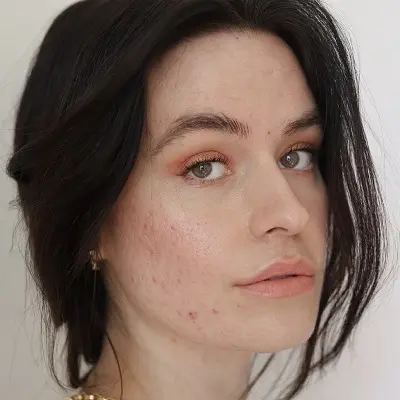
Is Acne Treatment Permanent or Temporary Solution?
Posted On May 20, 2026Discover effective acne treatments for clear, healthy skin. Learn causes, prevention tips, and proven skincare solutions for all skin types.
Acne is one of the most common skin concerns worldwide, affecting teenagers and adults alike. When people begin searching for solutions, one of the first questions they often ask is whether acne treatment offers a permanent cure or only a temporary fix. The answer is not entirely simple, because acne—clinically known as Acne—is influenced by multiple internal and external factors.
In most cases, Acne Treatment is not a one-time permanent cure. Instead, it is better understood as a long-term management approach. With the right combination of treatments, skincare habits, and lifestyle adjustments, acne can be significantly controlled and, in many cases, kept in long-term remission. However, it may return if the underlying causes are not managed properly.
This article explores whether acne treatment is permanent or temporary, how different treatments work, and what individuals can realistically expect from their skincare journey.
Understanding Acne and Why It Happens
To understand whether acne treatment is permanent or temporary, it is important to first understand what causes acne in the skin.
Acne develops when hair follicles become clogged with oil (sebum), dead skin cells, and sometimes bacteria. This leads to inflammation, resulting in pimples, blackheads, whiteheads, or cysts. Several factors contribute to this process:
Hormonal fluctuations are one of the biggest triggers, especially during puberty, menstruation, pregnancy, or stress. Excess oil production can also increase the likelihood of clogged pores. Genetics play a role as well—some individuals are naturally more prone to acne due to inherited skin characteristics.
Lifestyle habits such as diet, sleep quality, stress levels, and skincare routines can also influence how frequently acne appears and how severe it becomes.
Because acne has multiple causes, it is rarely something that can be permanently “cured” with a single treatment.
Is Acne Treatment Permanent or Temporary?
The short answer is that most acne treatments are temporary in effect but can offer long-term control.
Acne treatments work by addressing different aspects of the condition. Some reduce oil production, others target bacteria, and some help unclog pores or reduce inflammation. While these treatments can clear existing breakouts and prevent new ones, they do not always eliminate the underlying biological tendencies that cause acne in the first place.
This means that when treatment stops completely, acne may return—especially if hormonal or genetic factors are still active. However, in many cases, acne becomes significantly less severe over time, particularly as individuals move out of adolescence or improve their skincare and lifestyle habits.
So, acne treatment should be viewed more as a management strategy rather than a permanent cure.
Types of Acne Treatments and How They Work
Different acne treatments offer different levels of control, and understanding how they work helps clarify why results may be temporary or long-lasting.
Topical Treatments
Topical treatments are applied directly to the skin and are commonly used for mild to moderate acne. These may include ingredients that reduce oil production, remove dead skin cells, or fight bacteria.
They are effective while being used regularly, but their effects typically fade once discontinued. This is why consistency is key in topical acne care.
Oral Medications
For moderate to severe acne, oral medications are sometimes used to control inflammation, bacteria, or hormone-related acne triggers. These treatments often provide stronger and faster results, but again, they are usually prescribed for a limited duration.
Once stopped, acne may return if the underlying hormonal or skin conditions are still active.
Hormonal Treatments
In cases where acne is driven by hormonal imbalance, hormonal treatments may help regulate oil production and reduce breakouts. These treatments can be very effective, especially for adult acne.
However, they generally work only while being taken, meaning acne may reappear if hormonal fluctuations continue.
Skin Procedures
Certain dermatological procedures help improve skin texture, reduce acne scars, and manage active breakouts. These can provide long-term improvements in skin appearance, but they do not always prevent future acne from forming.
Can Acne Go Away Permanently?
In some cases, acne can go away permanently, but this usually happens naturally rather than through treatment alone.
For many individuals, acne decreases significantly after adolescence as hormone levels stabilize. In such cases, the skin may remain clear without ongoing treatment. However, adult acne is becoming increasingly common, meaning some individuals may experience breakouts well into their 30s or 40s.
Even when acne disappears for long periods, it may return during times of stress, hormonal changes, or lifestyle disruptions.
Therefore, while permanent remission is possible, it cannot be guaranteed for everyone.
Long-Term Acne Management vs. Short-Term Results
One of the most important distinctions in acne care is between short-term results and long-term management.
Short-term results focus on clearing existing pimples quickly. Many treatments are highly effective in reducing active breakouts within days or weeks.
Long-term management, however, focuses on preventing acne from returning. This requires consistent skincare routines, lifestyle balance, and sometimes ongoing treatment maintenance.
Without maintenance, acne often returns, especially in individuals with persistent triggers.
A successful acne strategy usually combines both short-term treatment for active breakouts and long-term care for prevention.
Factors That Influence Whether Acne Returns
Several factors determine whether acne comes back after treatment is stopped:
Hormonal changes are one of the most significant influences. Stress, menstrual cycles, and puberty can all trigger new breakouts.
Skincare habits also play a major role. Using harsh products or neglecting proper cleansing can increase the chances of acne returning.
Diet and lifestyle choices may also contribute. While diet is not the sole cause of acne, high sugar intake, lack of hydration, and poor sleep can worsen skin conditions in some individuals.
Finally, genetics can make some people more prone to recurring acne regardless of treatment.
How to Maintain Clear Skin After Treatment
Even though acne treatment is not always permanent, maintaining clear skin is possible with consistent care.
A gentle skincare routine that includes cleansing, moisturizing, and sun protection helps keep skin balanced. Avoiding overuse of harsh products is also important, as stripping the skin can trigger more oil production.
Healthy lifestyle habits such as regular sleep, stress management, and balanced nutrition also support clearer skin over time.
In some cases, occasional maintenance treatments may be needed to prevent flare-ups. This approach helps extend the results of initial acne treatment and reduce recurrence.
Conclusion
Acne treatment is generally not a permanent cure, but it is highly effective in controlling and managing breakouts. Since acne is influenced by hormones, genetics, and lifestyle factors, it often requires ongoing care rather than a one-time solution.
While some individuals may experience permanent remission, most people achieve the best results through consistent management and preventive care. The goal of acne treatment is not just to clear the skin temporarily but to maintain long-term skin health and reduce the frequency and severity of future breakouts.
With the right approach, acne can be controlled effectively, allowing individuals to enjoy clearer and healthier skin over time.
FAQs
1. Is acne treatment a permanent cure?
Acne treatment is generally not a permanent cure. It helps manage and control breakouts, but acne may return if underlying causes such as hormones or genetics remain active.
2. Can acne come back after treatment?
Yes, acne can return after treatment, especially if maintenance skincare routines are not followed or if hormonal changes occur.
3. What is the most effective long-term acne solution?
The most effective long-term approach combines consistent skincare, lifestyle adjustments, and appropriate treatment based on skin type and acne severity.
4. Does acne go away with age?
For many people, acne improves with age as hormones stabilize, but some individuals may continue to experience adult acne.
5. Can lifestyle changes reduce acne permanently?
Lifestyle changes can significantly reduce acne frequency and severity, but they may not completely eliminate it in all cases.
6. Why does acne return after stopping treatment?
Acne often returns after stopping treatment because the underlying causes, such as oil production and hormonal activity, may still be present.
Read More About Acne Treatment: https://www.citymapia.com/muscat/enfield-royal-clinic-oman/blog/how-many-chemical-peels-do-26045


;)