Muscat, Muscat Governorate

map icon mao preview icon

mail icon [email protected]

website icon https://www.enfieldroyalclinics.om Go to Website

muscat

Copyright © 2026 Citymapia.com. All Rights Reserved

How Many Chemical Peels Do You Really Need?
How Many Chemical Peels Do You Really Need?

Posted On May 20, 2026

Discover chemical peels: a skin resurfacing treatment that exfoliates damaged layers, improves texture, reduces acne scars, and reveals glowing skin.

Chemical peels have become one of the most popular skin treatments for individuals looking to improve skin texture, reduce pigmentation, and achieve a brighter, more even complexion. While the treatment itself is widely known, one question often comes up again and again: how many chemical peels are actually needed to see real results?

The answer is not one-size-fits-all. It depends on skin type, concerns, peel strength, and long-term skincare goals. In places where skincare treatments are in high demand, such as those searching for Best Chemical Peels in Muscat, people are often curious about how to plan their treatment journey effectively for the best outcome.

This article explains everything in a simple, expert-backed way so readers can understand how chemical peel sessions work and what to realistically expect.

What Are Chemical Peels and How Do They Work?

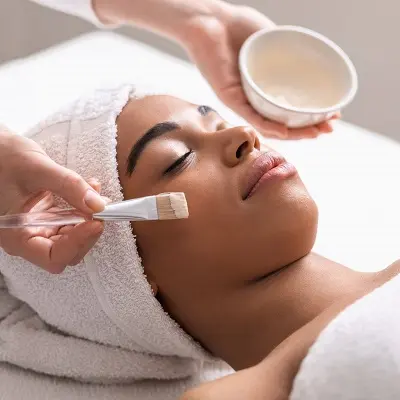
Chemical peels are skin-resurfacing treatments that use specially formulated chemical solutions to exfoliate the outer layers of the skin. This controlled exfoliation helps remove dead skin cells, unclog pores, and stimulate new cell growth.

Once the outer layer of damaged skin is removed, the skin naturally regenerates, revealing a smoother and fresher surface underneath. Over time, this process can improve several common concerns such as:

  • Acne marks and post-acne pigmentation
  • Uneven skin tone
  • Fine lines and early signs of aging
  • Sun damage
  • Dull or rough skin texture

The depth of exfoliation depends on the type of peel used, which directly influences how many sessions are required for visible improvement.

Types of Chemical Peels and Their Impact on Treatment Frequency

Not all chemical peels are the same. They are generally categorized into three main types based on their depth of action:

Light (Superficial) Peels

Light peels target only the outermost layer of the skin. They are often considered gentle and require minimal downtime. These peels are commonly used for mild pigmentation, dullness, and early acne concerns.

Because they are mild, they usually require multiple sessions to achieve noticeable and lasting results. People often undergo a series of treatments spaced a few weeks apart.

Medium-Depth Peels

Medium peels penetrate deeper into the skin and address more visible concerns like moderate acne scars, pigmentation, and fine lines. These peels provide more dramatic results compared to superficial ones.

Fewer sessions are usually needed compared to light peels, but recovery time may be slightly longer.

Deep Peels

Deep peels work at the deeper layers of the skin and are used for more severe concerns such as deep wrinkles, significant sun damage, or pronounced scarring. These are typically performed less frequently due to their intensity and longer healing period.

Because of their strength, even a single session may produce significant improvement, although careful post-treatment care is essential.

So, How Many Chemical Peels Do You Really Need?

The number of chemical peels a person needs depends largely on their skin condition and goals. However, most skincare professionals follow general treatment patterns:

  • For mild skin concerns: around 3 to 4 sessions
  • For moderate concerns: around 4 to 6 sessions
  • For more stubborn issues: 6 to 8 sessions or more, depending on progress

Light peels often require a series of treatments to gradually improve skin health, while medium and deep peels may require fewer sessions but deliver more noticeable changes per treatment.

Instead of focusing on a fixed number, the best approach is to treat chemical peels as a progressive skin journey. Each session builds on the results of the previous one, leading to gradual but consistent improvement.

Factors That Influence the Number of Sessions Needed

Several personal and environmental factors determine how many chemical peel sessions a person may require.

Skin Type and Sensitivity

Individuals with sensitive skin may need milder formulations and more spaced-out sessions. On the other hand, oily or thicker skin may tolerate stronger peels and show quicker improvements.

Skin Concerns and Severity

The nature of the skin issue plays a major role. For example, light pigmentation may fade faster, while deep acne scars or melasma may require a longer treatment plan.

Type of Peel Used

As discussed earlier, light peels require more sessions, while medium and deep peels work faster but are performed less frequently.

Lifestyle and Sun Exposure

Sun exposure, skincare routine, and daily habits can significantly affect results. People who protect their skin well tend to see longer-lasting and faster improvements.

Skin Response to Treatment

Every individual’s skin responds differently. Some may see visible improvement after just one or two sessions, while others may need consistent treatments over time.

Expected Results and Timeline of Chemical Peels

One of the most common misconceptions about chemical peels is that results appear instantly and permanently after a single session. In reality, improvement happens gradually.

After the first session, many people notice:

  • Brighter skin tone
  • Slight improvement in texture
  • Reduced oiliness or dullness

With continued sessions, more significant changes become visible:

  • Reduction in pigmentation and acne marks
  • Smoother skin texture
  • More even complexion
  • Improvement in fine lines

The full results usually become more noticeable after completing a full series of treatments, followed by proper maintenance.

Choosing the Best Chemical Peels in Muscat for Your Skin Needs

For individuals exploring Best Chemical Peels in Muscat, it is important to understand that the effectiveness of treatment is not just about the peel itself but also about how well it is matched to the skin type and concern.

A well-planned treatment approach typically includes:

  • Proper skin assessment before starting treatment
  • Selection of peel strength based on skin sensitivity
  • A structured schedule of sessions
  • Consistent follow-up and skincare maintenance

The goal is not to rush results but to achieve healthy, long-term skin improvement. When done correctly, chemical peels can significantly enhance skin appearance without harsh or unnatural effects.

Maintaining Results After Chemical Peels

Chemical peels are most effective when combined with a good skincare routine. After completing a series of treatments, maintaining results becomes essential.

Key maintenance practices include:

  • Daily sunscreen use to protect new skin layers
  • Gentle cleansing and moisturizing routines
  • Avoiding excessive sun exposure
  • Regular hydration of the skin
  • Occasional maintenance peels if recommended

Without proper care, results may fade more quickly, and skin issues may gradually return.

FAQs About Chemical Peels

1. How often should chemical peels be done?
The frequency depends on the type of peel and skin condition. Light peels may be done every few weeks, while medium or deep peels require longer intervals between sessions.

2. Are chemical peels suitable for all skin types?
Most skin types can benefit from chemical peels, but the formulation and strength must be carefully chosen based on individual skin sensitivity and concerns.

3. Do chemical peels hurt?
Some mild tingling or warmth may be experienced during the procedure, but discomfort is usually temporary and manageable.

4. How long does it take to see results?
Initial improvements may appear after the first session, but noticeable and long-lasting results typically develop after multiple sessions.

5. Can chemical peels remove acne scars completely?
Chemical peels can significantly improve the appearance of acne scars, but complete removal depends on scar depth and skin response.

6. What should be avoided after a chemical peel?
After a peel, it is generally advised to avoid sun exposure, harsh skincare products, and picking at the skin to ensure proper healing.

Read More About Chemical Peels: https://www.citymapia.com/muscat/enfield-royal-clinic-oman/blog/how-often-should-you-get-26041


Related items