Enfield Royal Clinic Oman

 Home
Home  About Enfield Royal Clinic Oman
  Treatments
  Make An Enquiry





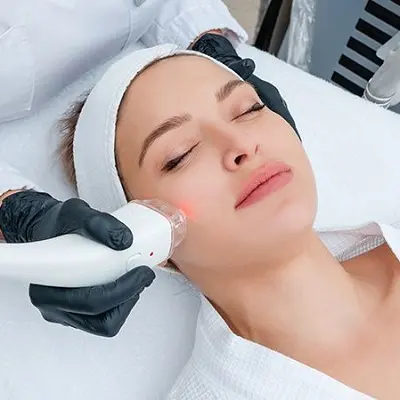
Laser Skin Resurfacing: What Is It and How Does It Work?
Posted On Oct 21, 2025Laser Skin Resurfacing rejuvenates skin by reducing wrinkles, scars, and sun damage. Achieve smoother, younger-looking skin with minimal downtime.
Healthy, glowing skin is often associated with confidence and youthfulness. However, over time, factors such as aging, sun exposure, acne, and environmental stress can cause the skin to lose its natural radiance. Fine lines, wrinkles, scars, and uneven tone begin to appear, leaving many people searching for an effective solution. One of the most advanced and proven treatments for skin rejuvenation today is Laser Skin Resurfacing.
This cosmetic procedure has gained immense popularity for its ability to refresh, repair, and restore the skin—often with noticeable results after just one session. But what exactly is laser skin resurfacing, and how does it work? Let’s explore this transformative treatment, how it benefits the skin, and what to expect before and after the procedure.
Understanding Laser Skin Resurfacing
Laser skin resurfacing is a non-invasive or minimally invasive cosmetic procedure that uses focused beams of light (lasers) to remove damaged outer layers of skin, stimulate collagen production, and encourage the growth of new, smoother, and healthier skin cells.
Unlike traditional skincare methods that treat only the surface, lasers can penetrate deeper layers of the skin to address underlying damage. This makes it highly effective for improving skin texture, reducing fine lines, fading scars, and evening out pigmentation.
Depending on the type of laser used and the depth of treatment, results can range from subtle rejuvenation to significant skin transformation.
How Laser Skin Resurfacing Works
Laser skin resurfacing works by delivering precise beams of light energy to targeted areas of the skin. The heat from the laser removes the outermost layer of damaged skin (epidermis) while simultaneously heating the underlying dermis to stimulate collagen production. Collagen, a key structural protein, helps the skin remain firm, smooth, and youthful.
As the treated area heals, new skin forms that is firmer, more even in tone, and visibly smoother.
There are generally two main types of laser resurfacing techniques:
1. Ablative Laser Resurfacing
Ablative lasers remove thin layers of skin and are often used to treat deeper wrinkles, scars, and severe sun damage. Common types include:
CO₂ (Carbon Dioxide) lasers – Ideal for treating wrinkles, scars, and deeper imperfections.
Erbium lasers – Often used for fine lines and moderate wrinkles, with a shorter recovery time than CO₂ lasers.
These treatments typically require some downtime but offer dramatic results.
2. Non-Ablative Laser Resurfacing
Non-ablative lasers work beneath the skin’s surface without removing layers. They stimulate collagen growth and tighten the skin from within. This approach is gentler, involves less downtime, and is often used for mild wrinkles and pigmentation issues.
Popular non-ablative lasers include fractional lasers and pulsed light therapies, which target smaller skin sections at a time for faster recovery.
Benefits of Laser Skin Resurfacing
Laser skin resurfacing offers numerous benefits, making it one of the most sought-after treatments for individuals looking to rejuvenate their skin without surgery.
1. Reduces Wrinkles and Fine Lines
By encouraging collagen production and removing damaged skin cells, laser resurfacing effectively reduces fine lines around the eyes, mouth, and forehead, leaving the skin smoother and firmer.
2. Improves SkinTone and Texture
The laser’s precision allows for the removal of dull and uneven skin layers, revealing fresher, more radiant skin underneath. This helps minimize rough patches, enlarged pores, and discoloration.
3. Treats Acne Scars and Other Imperfections
Laser resurfacing can significantly reduce the appearance of acne scars, surgical scars, and blemishes. It also helps to smooth out skin irregularities caused by previous breakouts.
4. Reduces Sun Damage and Age Spots
Excessive sun exposure can lead to pigmentation issues, freckles, and dark spots. Laser treatments help break down these pigment clusters, restoring an even skin tone.
5. Boosts Collagen and Elasticity
One of the greatest long-term benefits of laser skin resurfacing is collagen stimulation. Over time, new collagen formation tightens the skin and improves elasticity, giving it a more youthful look.
6. Long-Lasting and Customizable Results
Depending on the laser type and treatment depth, results can last for several months to years. The procedure can also be customized to address specific skin concerns and areas, making it versatile for various skin types and needs.
The Laser Skin Resurfacing Procedure
Understanding what happens during the procedure can help individuals feel more comfortable and confident before treatment.
Before the Procedure
The process typically begins with a consultation where a skin specialist assesses the individual’s concerns, skin type, and medical history. Pre-treatment instructions may include avoiding sun exposure, exfoliating agents, and certain medications that increase sensitivity.
A topical numbing cream or local anesthesia may be applied to minimize discomfort. For deeper treatments, sedation may be used.
During the Procedure
The laser device is moved carefully over the targeted areas. Depending on the treatment size and laser type, the session can last anywhere from 30 minutes to two hours. Patients may feel a mild warming or tingling sensation during the procedure.
After the Procedure
Post-treatment, the skin may appear red and slightly swollen—similar to a mild sunburn. This is a natural response as the skin begins to heal and regenerate.
Healing time varies depending on whether the treatment was ablative or non-ablative. Non-ablative treatments may require little to no downtime, while ablative procedures might need several days to a week for recovery.
Following post-care instructions—such as applying soothing creams, avoiding direct sunlight, and keeping the skin moisturized—is essential for optimal healing and results.
Is Laser Skin Resurfacing Right for Everyone?
Laser skin resurfacing is suitable for many people, but not for everyone. Those with active acne, certain skin infections, or very dark skin tones may need to discuss alternative treatments with a qualified specialist.
Ideal candidates are individuals with:
Fine lines and wrinkles
Acne or surgical scars
Uneven skin tone or texture
Sun-damaged skin
Enlarged pores
It’s important to consult a certified professional to determine the right type of laser and treatment plan based on individual needs and skin sensitivity.
Safety and Results
When performed by trained professionals, laser skin resurfacing is safe and effective. The technology used is designed to target damaged skin precisely without harming surrounding tissues.
Results begin to appear gradually as the skin heals and new collagen forms. Most individuals notice a visible improvement in texture and radiance within a few weeks. Full results typically develop over several months and can last for years with proper skincare and sun protection.
Frequently Asked Questions (FAQs)
1. Is laser skin resurfacing painful?
Most people describe the sensation as mild warmth or tingling. Topical anesthetics or cooling devices are often used to ensure comfort during treatment.
2. How many sessions are needed for noticeable results?
The number of sessions depends on the skin concern and laser type. Some people see results after one session, while others may benefit from multiple treatments spaced several weeks apart.
3. How long does recovery take?
Non-ablative laser treatments may have little to no downtime, while ablative procedures can take 5–10 days for the skin to fully heal. Following post-care instructions ensures faster recovery.
4. Are the results permanent?
Results can last for several years, but natural aging and sun exposure will continue to affect the skin over time. Maintaining a good skincare routine helps prolong the effects.
5. Can laser resurfacing treat all skin types?
Modern laser technologies are designed to treat a wide range of skin tones, but the safest and most effective approach should be determined by a trained professional.
6. Are there any side effects?
Mild redness, swelling, and temporary peeling are common but usually subside within a few days. Serious side effects are rare when performed by qualified experts.
Conclusion
Laser skin resurfacing is a powerful and scientifically advanced treatment that helps rejuvenate the skin by targeting imperfections at their source. Whether one wants to reduce wrinkles, improve skin tone, or diminish scars, this procedure offers a reliable and lasting solution.
By stimulating collagen production and renewing the skin’s surface, laser resurfacing restores a natural glow and smoother texture—helping individuals feel more confident in their appearance.
With proper care, expert guidance, and realistic expectations, laser skin resurfacing can be a transformative experience that reveals healthier, younger-looking skin from within.


;)