Enfield Royal Clinic Oman

 Home
Home  About Enfield Royal Clinic Oman
  Treatments
  Make An Enquiry





Mounjaro Injection Dosage Guide: What to Expect Each Week
Posted On Sep 15, 2025Learn about Mounjaro injection (tirzepatide), an FDA-approved treatment for type 2 diabetes. Discover how it works, dosage, benefits, and safety information.
Managing weight and blood sugar levels can be a journey that requires the right tools, lifestyle adjustments, and medical support. One of the newer medications that has gained attention is Mounjaro Injection. This treatment is used for people with type 2 diabetes and has also shown promising results for weight management. If you are considering Mounjaro or have just started using it, you might wonder what to expect each week as the dosage gradually increases.
This guide breaks down how the weekly dosing works, what changes you may notice, and helpful tips for navigating the process. It’s designed to provide clear and practical information so you can feel more confident and prepared throughout your treatment.
What is Mounjaro Injection?
Mounjaro is the brand name for tirzepatide, a once-weekly injectable medication. It works by activating two receptors in the body: GLP-1 (glucagon-like peptide-1) and GIP (glucose-dependent insulinotropic polypeptide). These hormones help regulate blood sugar, slow digestion, and reduce appetite. By targeting both receptors, Mounjaro not only lowers blood glucose but also supports weight loss in many patients.
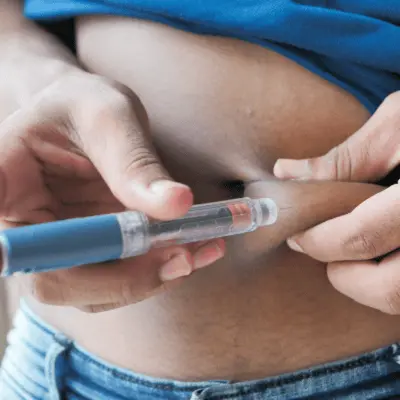
The medication is injected under the skin of the thigh, stomach, or upper arm. Because it is taken once a week, it offers convenience compared to daily treatments, which can make it easier for patients to stay consistent with their regimen.
How the Weekly Dosage Works
One of the most important things to understand about Mounjaro is that the dose is increased gradually over time. This step-by-step approach allows the body to adjust to the medication and helps minimize side effects such as nausea or digestive discomfort. Here’s a general overview of what the weekly dosing schedule looks like:
Week 1–4: Starting Dose (2.5 mg)
The journey usually begins with the lowest dose of 2.5 mg once per week. At this stage, the goal is not to achieve maximum effect but to allow the body to get used to the medication. Patients may begin to notice small changes in appetite and early improvements in blood sugar, though weight loss is often modest in these first few weeks.
Week 5–8: First Increase (5 mg)
After the initial adjustment, the dose is typically raised to 5 mg once weekly. This is considered the first therapeutic level, and many people start to notice stronger effects on appetite suppression and blood sugar control. Some individuals also begin to see early signs of weight reduction.
Week 9–12: Steady Progress (7.5 mg)
For those who tolerate the 5 mg dose well, the dosage may be increased again to 7.5 mg. At this point, the body continues to adapt, and results often become more noticeable. Patients commonly report reduced food cravings and feeling satisfied with smaller meals. Blood sugar improvements also tend to become more consistent.
Week 13 and Beyond: Higher Doses (10 mg, 12.5 mg, 15 mg)
Depending on individual goals and how well the body responds, the dosage may be further increased every four weeks until the maximum recommended dose of 15 mg once weekly is reached. Not everyone needs to progress to the highest dose; some people achieve their desired results at lower levels.
Each step is carefully timed to help reduce side effects and support long-term success. It’s important to follow the prescribed schedule and not rush the process.
What to Expect as the Weeks Progress
While every person’s experience is unique, there are common changes people often notice while on Mounjaro injection:
Improved Blood Sugar Control: Most people see steady decreases in blood sugar and A1C levels as the dose increases.
Reduced Appetite: Feeling full sooner and less hungry between meals is one of the most noticeable effects.
Gradual Weight Loss: Weight reduction may begin in the early weeks but often becomes more significant as the dose increases.
Digestive Adjustments: Some people experience nausea, mild stomach upset, or changes in bowel habits, especially after dose increases. These effects often improve over time.
Energy Changes: As blood sugar stabilizes, some individuals report feeling more energized throughout the day.
Tips for Success with Mounjaro
Stick to Your Schedule: Choose a consistent day and time for your weekly injection. Setting reminders can be helpful.
Eat Balanced Meals: Since Mounjaro slows digestion, high-fat or heavy meals may increase stomach discomfort. Light, balanced meals often work better.
Stay Hydrated: Drinking enough water helps reduce digestive side effects and supports overall well-being.
Be Patient: Weight loss and blood sugar improvements take time. The gradual increase in dosage is designed for long-term results.
Monitor Progress: Keep track of weight, blood sugar readings, and how you feel week to week. This information can help you and your healthcare provider make the best decisions about dosage adjustments.
Frequently Asked Questions
1. How long does it take to see results with Mounjaro injection?
Many people notice appetite changes within the first few weeks, but significant weight loss and blood sugar improvements often take a few months as the dosage increases.
2. Can Mounjaro be used for weight loss if I don’t have diabetes?
Mounjaro is approved for type 2 diabetes management, but research shows it can support weight loss even in people without diabetes. Its use for weight management is being studied further.
3. What should I do if I miss a dose?
If you miss a dose, you can take it within four days of your scheduled injection. If more than four days pass, skip that dose and resume with the next one on your regular day.
4. Are there foods I should avoid while on Mounjaro?
There are no specific food restrictions, but eating large or greasy meals may increase side effects like nausea. Choosing smaller, balanced meals is usually more comfortable.
5. How is Mounjaro different from other GLP-1 medications?
Unlike medications that only target GLP-1, Mounjaro also works on GIP receptors. This dual action may offer greater benefits for both blood sugar control and weight management.
6. Do I need to take Mounjaro forever?
The length of treatment depends on individual health goals and medical guidance. Some people use it long-term for diabetes management, while others may adjust or discontinue based on their progress.
Final Thoughts
Starting Mounjaro injection is not just about taking a weekly shot—it’s about giving your body the time and support it needs to adjust and thrive. The gradual dosage increases are designed to help you stay comfortable while moving toward better blood sugar control and potential weight loss.
Patience and consistency are key. By following the recommended schedule, paying attention to your body, and making healthy lifestyle choices, you can set yourself up for success on this journey.








;)